
| Nom du produit | Cétone de framboise |
|---|---|
| Numéro CAS | 5471-51-2 |
| Formule moléculaire | C₁₀H₁₂O₂ |
| Poids moléculaire | 164.20 g/mol |
| Numéro EINECS | 226-806-4 |
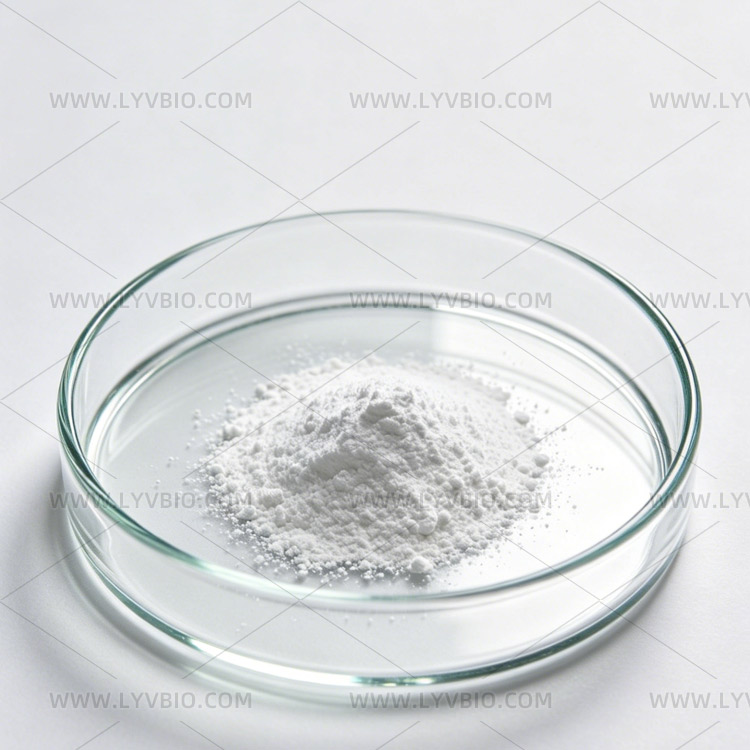
| Apparence | Poudre cristalline blanche |
| Essai (HPLC) | ≥ 99,01 TP3T |
| Point de fusion | 81 – 85°C |
| Perte au séchage | ≤ 0,5% |
Besoin d'aide ? Contacter notre équipe
Synonymes : Raspberry Ketone, 4-(4-Hydroxyphenyl)-2-butanone, Frambinone, Oxyphenylon, Rheosmin, 4-(p-Hydroxyphenyl)-2-butanone
Raspberry Ketone is a naturally occurring phenolic compound responsible for the characteristic aroma of red raspberries (Rubus idaeus). It is also found in smaller quantities in cranberries, blackberries, and kiwifruit. Although present in raspberries at very low concentrations (1–4 mg/kg), raspberry ketone is widely used as a flavoring agent in the food and beverage industry and as an ingredient in dietary supplements.
Raspberry ketone has gained attention for its potential role in supporting fat metabolism and weight management. It is structurally related to capsaicin and synephrine, compounds known for their thermogenic activity, and is believed to enhance lipolysis and energy expenditure through adrenergic receptor modulation.
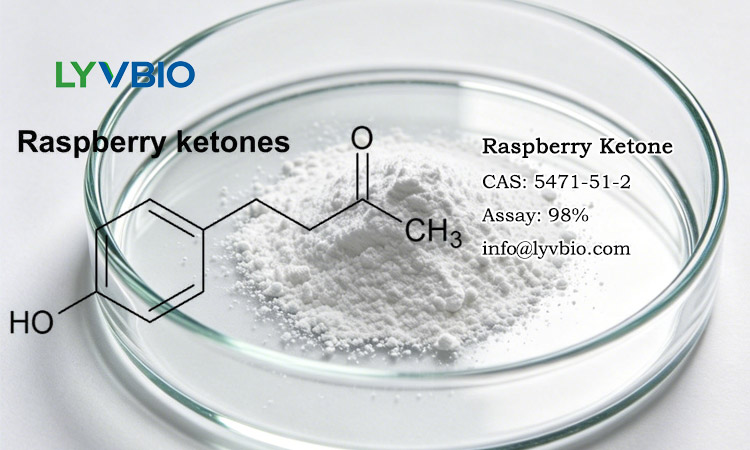
Cétone de framboise
Lipolysis enhancement: Stimulates fat breakdown in adipose tissue via β-adrenergic receptor activation.
Thermogenesis promotion: Increases energy expenditure and heat production.
Adiponectin support: May upregulate adiponectin secretion, improving insulin sensitivity.
Flavoring agent: Provides fruity, sweet aroma in food and beverage applications.
Cosmetic use: Used as a fragrance component and skin-conditioning agent.
Normalisation: ≥99.0% raspberry ketone (HPLC)
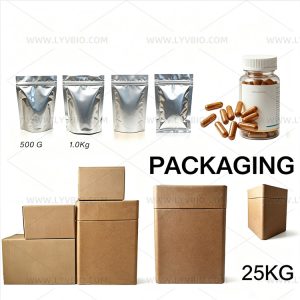
Formulaires: White crystalline powder (food-grade and supplement-grade)
Applications: Dietary supplements, functional foods, beverages, fragrances, cosmetics
| Paramètre | Spécifications |
|---|---|
| Raspberry Ketone Content (HPLC) | ≥ 99,01 TP3T |
| Identification | IR / HPLC |
| Point de fusion | 81 – 85°C |
| Perte au séchage | ≤ 0,5% |
| Résidu au feu | ≤ 0,11 TP3T |
| Métaux lourds (exprimés en Pb) | ≤ 10 ppm |
| Arsenic (As) | ≤ 1 ppm |
| Limites microbiologiques | Conforme aux normes USP/EP |
280, rue Main, Xi'an, Shaanxi, Chine
LyvBio Co.
Courriel : info@lyvbio.com
Room,5-0203, Courtyard 205, Lianhu District,Xi'an,Shaanxi,China
 English English
  Russian
 French
 Korean
 German
 Polish
 Japanese
 Spanish
 Italian
 Vietnamese