
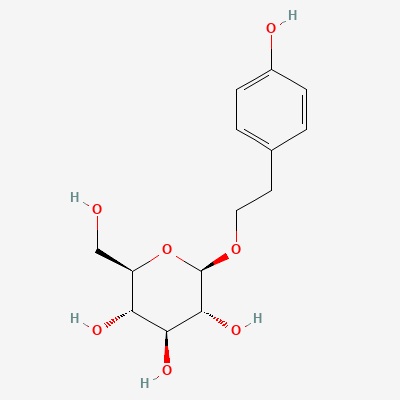
Salidroside
| 製品名 | Salidroside |
|---|---|
| CAS番号 | 10338-51-9 |
| 別名 | Rhodioloside, Tyrosol glucoside |
| 分子式 | C14H20O7 |
| 分子量 | 300.30 g/mol |
| 外観 | 白色からオフホワイトの結晶性粉末 |
| 分析(HPLC) | ≥98.0% |
| 溶解度 | Soluble in water, ethanol, and methanol |
| 乾燥減量 | ≤2.0% |
| 焼失残渣 | ≤0.5% |
| 重金属 | 10 ppm以下 |
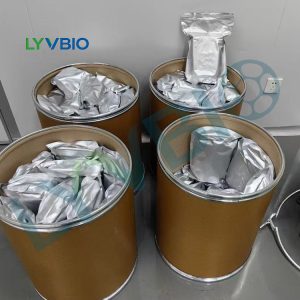
| パッケージ | 25 kg net weight in fiber drums with double polyethylene liners |
お困りですか? 弊社チームまでお問い合わせください
同義語: Rhodioloside, Tyrosol glucoside, Salidroside, (4-Hydroxyphenyl)methyl β-D-glucopyranoside, 4-Hydroxyphenethyl β-D-glucopyranoside, Rhodiola rosea extract
Salidroside is a phenylpropanoid glycoside and the primary bioactive marker in Rhodiola rosea, a high-altitude perennial plant long valued in traditional medicine across Scandinavia, Siberia, and the mountainous regions of Asia. For centuries, Rhodiola rosea—often called golden root or Arctic root—has been used to combat fatigue, enhance physical endurance, and support mental clarity under stressful conditions. Salidroside, along with its aglycone tyrosol, represents the chemical foundation of these traditional applications and has become a focal point for modern research into adaptogenic and neuroprotective compounds.
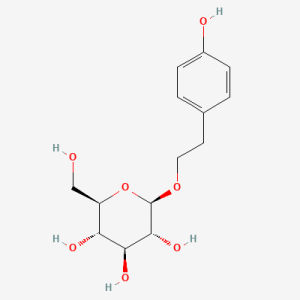
Structurally, salidroside consists of a tyrosol moiety (4-hydroxyphenethyl alcohol) linked to a glucose unit via a β-glycosidic bond. This glycosylation enhances its water solubility and influences its pharmacokinetic profile compared to the aglycone. In the plant, salidroside accumulates in the rhizomes and roots, often in concentrations ranging from 0.5% to 2% in dried material, depending on species, harvest time, and growing conditions. Its presence is frequently used to standardize Rhodiola extracts, ensuring consistent biological activity across batches.
Beyond its role as a marker compound, salidroside has attracted significant attention in the nutraceutical, pharmaceutical, and cosmetic industries. It is incorporated into dietary supplements aimed at stress management and cognitive performance, as well as into skincare formulations targeting oxidative stress and inflammation. The compound is also a subject of ongoing clinical and preclinical studies exploring its mechanisms in cellular energy metabolism, neuroprotection, and cardiovascular health.
| パラメータ | 仕様 |
|---|---|
| 分析(HPLC) | ≥98.0% |
| 識別 | NMR, MS conforms to structure |
| 乾燥減量 | ≤2.0% |
| 焼失残渣 | ≤0.5% |
| 重金属 | 10 ppm以下 |
| Microbial Limits | Total aerobic count ≤1000 CFU/g; Yeast & Mold ≤100 CFU/g; E. coli absent |
 English English
 Russian
 French
 Korean
 German
 Polish
 Japanese
 Spanish
 Italian
 Vietnamese