

Product Name: Hydroxypinacolone Retinoate
CAS Number: 893412-73-2
Tên INCI: Hydroxypinacolone Retinoate
Công thức phân tử: C24H36O3
Khối lượng phân tử: 372.54
Hình thức: Light yellow to yellow powder
Assay: 99.0% Min
Phương pháp thử nghiệm: HPLC
Solubility: Soluble in ethanol and oils, insoluble in water
Storage: Store in a cool, dry place, sealed, protected from light and moisture
Từ đồng nghĩa: Hydroxypinacolone Retinoate, HPR, Hydroxypinacolone Retinoate Powder, Retinoic Acid Ester
Từ đồng nghĩa: Hydroxypinacolone Retinoate, HPR, Granactive Retinoid, Retinoic Acid Ester, 3,3-Dimethyl-2-oxobutyl Retinoate, Hydroxypinacolone Retinoate (HPR), Retinyl Hydroxypinacolone
Need help? Contact our team
Mô tả
Hydroxypinacolone Retinoate (HPR) is a next-generation retinoid and a stable ester of retinoic acid. Unlike conventional retinoids such as retinol or tretinoin, HPR is a direct retinoic acid receptor (RAR) agonist, meaning it binds directly to retinoic acid receptors without requiring metabolic conversion. This direct action allows HPR to deliver the benefits of retinoic acid while maintaining superior stability and significantly lower irritation potential.
HPR is considered a “granactive retinoid” — a term used to describe retinoid esters that provide retinoic acid-like effects with enhanced tolerability. Because it binds directly to RARs, HPR bypasses the conversion steps required by retinol and retinyl esters, which can be inefficient and variable among individuals.
HPR is widely used in anti-aging, acne-treatment, and skin-resurfacing formulations. It is compatible with a broad range of cosmetic ingredients and is stable in both emulsion and anhydrous systems, making it a preferred choice for formulators seeking a high-performance, low-irritation retinoid.
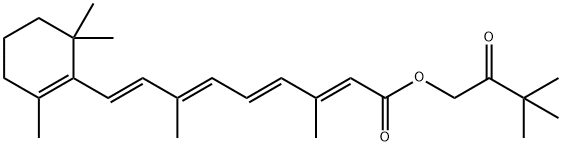
If you work in cosmetic formulation, you already know that retinoids are the gold standard for skin renewal. But you also know the pain points: irritation, instability, and the tricky balance between efficacy and tolerability. Hydroxypinacolone Retinoate, commonly known as HPR, has been gaining attention as a next-generation retinoid that addresses many of these challenges. Here is a practical look at what HPR is, why it stands out, and what formulators should keep in mind.
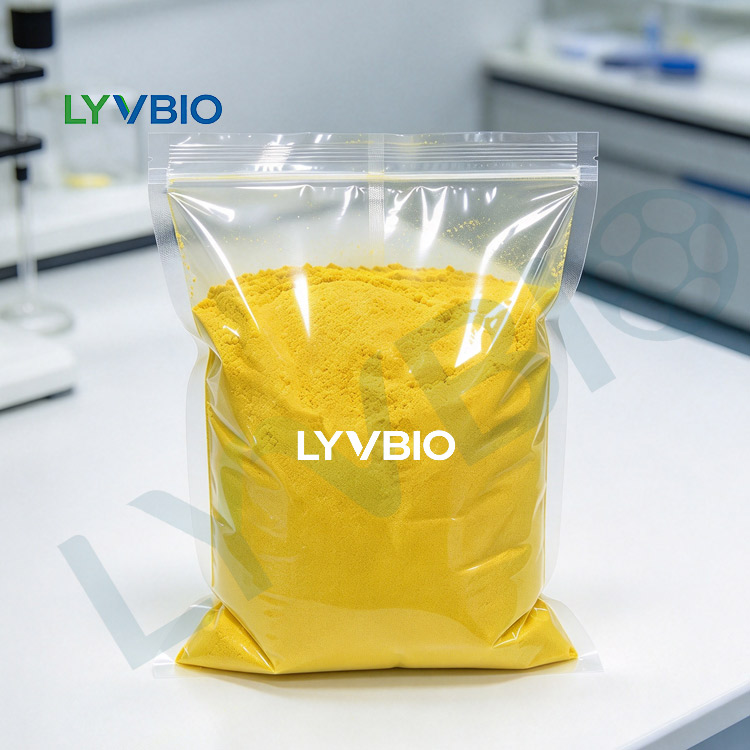
In its raw form, HPR appears as a light yellow to yellow powder. It is oil-soluble and ethanol-soluble, but practically insoluble in water. For formulation, it is usually supplied as a powder or pre-diluted in a carrier oil.
Why Formulators Are Interested in HPR
The main appeal of HPR comes down to three practical factors.
First, tolerability. Retinol and retinoic acid are notorious for causing redness, peeling, and stinging, especially in beginners. HPR is generally reported to be gentler on the skin barrier, which makes it easier to incorporate into daily-use products for a wider range of skin types.
Second, stability. Retinol is highly sensitive to light, heat, and oxygen. HPR shows better stability in formulation, which means less risk of color change or loss of activity during shelf life. This is a significant advantage for brands looking to extend product stability without overly complex packaging.
Third, formulation flexibility. Because HPR is oil-soluble and relatively stable, it fits well into anhydrous systems, emulsions, and oil serums. It does not require the same low-pH environment that some retinol formulations demand.
What the Market Is Doing
HPR is not a new molecule, but its commercial visibility has grown significantly in recent years. It is often marketed under trade names and appears in premium anti-aging serums, eye creams, and night treatments. In the B2B space, buyers typically look for HPR in two forms: high-purity powder (99% min) for custom formulation, and pre-diluted solutions for easier handling.
When sourcing HPR, purity and assay are critical. A 99% HPLC assay is the standard benchmark for cosmetic-grade material. Suppliers should provide a full COA, including residual solvents and heavy metals, because retinoid esters are sensitive to impurities that can affect both stability and skin tolerance.
Formulation Notes
A few practical points for formulators working with HPR:
-
Độ hòa tan: HPR is oil-soluble. It should be dissolved in the oil phase before emulsification. For anhydrous systems, it can be incorporated directly into the oil carrier.
-
Processing temperature: Keep processing temperatures moderate. While HPR is more stable than retinol, excessive heat can still degrade the molecule.
-
Bao bì: Use opaque or UV-protective packaging. Even with improved stability, light protection remains essential for retinoid esters.
-
pH range: HPR does not require the low pH that retinol does, but it is still best to keep the final formulation within a moderate pH range to maintain stability.
-
Compatibility: Avoid strong oxidizing agents and incompatible actives that could accelerate degradation.
Regulatory and Labeling Considerations
HPR is classified as a cosmetic ingredient in most markets, but labeling rules vary by region. In the EU, it falls under cosmetic regulation, and claims must be substantiated. In the US, it is used as a cosmetic ingredient, but any anti-aging or anti-wrinkle claims must comply with FTC guidelines. In China, cosmetic ingredients must be listed in the Inventory of Existing Cosmetic Ingredients in China (IECIC), and new ingredients require registration.
 English
 Russian
 French
 Korean
 German
 Polish
 Japanese
 Spanish
 Italian
 Vietnamese
Hãy để lại bình luận