
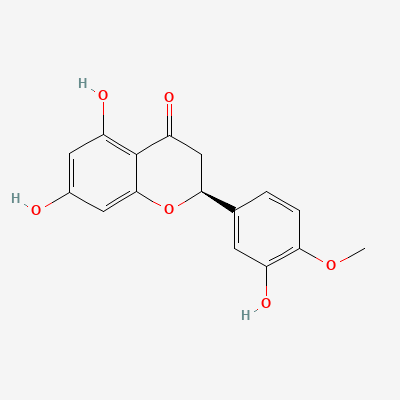
| Название продукта | Hesperetin |
|---|---|
| Номер CAS | 520-33-2 |
| Молекулярная формула | C16H14O6 |
| Молекулярная масса | 302.28 g/mol |
| Внешний вид | Off-white to pale yellow crystalline powder |
| Технические характеристики | Purity ≥ 98% |
| Технические характеристики | 98% |
Нужна помощь? Свяжитесь с нашей командой
Synonyms: Hesperetin, 3′,5,7-Trihydroxy-4′-methoxyflavanone, Hesperitin, Cyanidanon, 4′-Methoxy-3′,5,7-trihydroxyflavanone
Hesperetin is a naturally occurring flavonoid belonging to the flavanone class, predominantly found in citrus fruits such as oranges, lemons, and tangerines. It is the aglycone form of hesperidin, a glycoside that is abundant in the peels and membranes of these fruits. For centuries, citrus peels have been used in traditional medicine across Asia and Europe to treat digestive disorders, inflammation, and cardiovascular ailments, and hesperetin is now recognized as one of the key bioactive molecules responsible for these effects.
Chemically, hesperetin is characterized by a flavanone backbone with hydroxyl groups at positions 5 and 7, a methoxy group at position 4′, and a hydroxyl group at position 3′. This substitution pattern contributes to its strong antioxidant and anti-inflammatory properties. Compared to its glycoside hesperidin, hesperetin has higher lipophilicity and is more readily absorbed in the gastrointestinal tract, making it a preferred form for research and formulation.
Our hesperetin is offered with a purity of ≥98% (HPLC), ensuring consistent quality for advanced research and product development. It is widely used in nutraceuticals, functional foods, and cosmetics, as well as in pharmacological studies focusing on oxidative stress, metabolic health, and neuroprotection.
| Параметр | Технические характеристики |
|---|---|
| Анализ (ВЭЖХ) | ≥98.0% |
| Идентификация | IR, HPLC retention time |
| Потери при сушке | ≤1.0% |
| Остаток после прокаливания | ≤0,11 TP3T |
| Тяжелые металлы | ≤10 ppm |
| Пределы микробиологической безопасности | Total plate count ≤1000 CFU/g, Yeast & mold ≤100 CFU/g |
 English English
  Russian
 French
 Korean
 German
 Polish
 Japanese
 Spanish
 Italian
 Vietnamese