

Pterostilbene 4′-O-β-D-glucoside

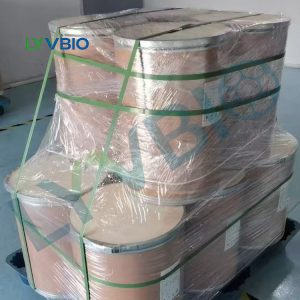
| Nazwa produktu | Pterostilbene 4′-O-β-D-glucoside |
|---|---|
| Numer CAS | 38967-99-6 |
| Synonyms | Pterostilbene glucoside; 4′-O-β-D-Glucosylpterostilbene; Pterostilbene 4′-glucoside |
| Wzór cząsteczkowy | C22H26O8 |
| Masa cząsteczkowa | 418.44 g/mol |
| Wygląd | Biały lub prawie biały krystaliczny proszek |
| Oznaczenie (HPLC) | ≥98,01 TP3T |
| Rozpuszczalność | Soluble in DMSO, methanol, ethanol; slightly soluble in water |
| Przechowywanie | Store at 2-8°C, protected from light and moisture |
Potrzebujesz pomocy? Skontaktuj się z naszym zespołem
Synonimy: Pterostilbene glucoside, 4′-O-β-D-Glucosylpterostilbene, Pterostilbene 4′-glucoside, Pterostilbene 4′-O-beta-D-glucopyranoside
Pterostilbene 4′-O-β-D-glucoside is a naturally occurring stilbenoid glycoside found in several plant sources, including the heartwood of Pterocarpus marsupium and certain Vaccinium species. It represents the 4′-O-β-D-glucopyranoside conjugate of pterostilbene, a dimethylated analogue of resveratrol. In traditional medicine, extracts containing this compound have been used for their anti-inflammatory and antioxidant properties, particularly in Ayurvedic preparations from Pterocarpus marsupium for managing metabolic disorders.
Structurally, pterostilbene 4′-O-β-D-glucoside combines the lipophilic pterostilbene aglycone with a hydrophilic glucose moiety, which significantly alters its physicochemical behavior compared to the aglycone. This glycosylation enhances water solubility and may influence bioavailability and metabolic pathways. The compound is of interest in research for its potential role as a prodrug or active metabolite of pterostilbene, offering a different pharmacokinetic profile.
As a research-grade material, it is typically standardized to ≥98% purity by HPLC, ensuring consistent quality for in vitro and in vivo studies. It is used in investigations related to cancer chemoprevention, neuroprotection, and metabolic regulation, where the glycoside may provide advantages in delivery or stability.
| Parametr | Specyfikacja |
|---|---|
| Oznaczenie (HPLC) | ≥98,01 TP3T |
| Identyfikacja | NMR, MS conforms to structure |
| Strata przy suszeniu | ≤2.0% |
| Popiół po spaleniu | ≤0,11 TP3T |
| Metale ciężkie | ≤10 ppm |
| Wartości graniczne dla mikroorganizmów | Total aerobic count ≤1000 CFU/g; Yeast & Mold ≤100 CFU/g |
Room,5-0203, Unit 5, Beiyuanmen Street,Xi'an,Shaanxi,China
 English English
 Russian
 French
 Korean
 German
 Polish
 Japanese
 Spanish
 Italian
 Vietnamese