
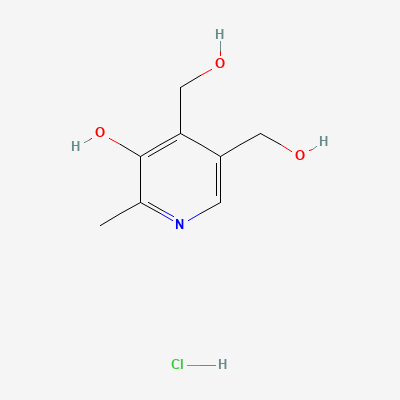
Pyridoxine hydrochloride
| 제품명 | Pyridoxine hydrochloride |
|---|---|
| CAS 번호 | 58-56-0 |
| 다른 이름 | Vitamin B6 hydrochloride, Pyridoxol hydrochloride, 5-Hydroxy-6-methyl-3,4-pyridinedimethanol hydrochloride |
| 분자식 | C8H11NO3·HCl |
| 분자량 | 205.64 g/mol |
| 외관 | White to almost white crystalline powder |
| 분석법 (HPLC) | 98.0%–102.0% (on dried basis) |
| 건조 손실 | ≤0.5% |
| 소각 잔류물 | ≤0.1% |
| 중금속 | ≤10 ppm |
| 용해도 | Freely soluble in water, slightly soluble in ethanol, practically insoluble in ether |
| 패키지 | 25 kg fiber drum with double polyethylene liner |
도움이 필요하신가요? 저희 팀에 문의해 주세요
Synonyms: Vitamin B6 hydrochloride, Pyridoxol hydrochloride, 5-Hydroxy-6-methyl-3,4-pyridinedimethanol hydrochloride, Aderoxine, Hexa-Betalin, Pyridoxinium chloride
Pyridoxine hydrochloride is the synthetic hydrochloride salt of pyridoxine (vitamin B6), a water-soluble vitamin that plays an essential role in amino acid metabolism, neurotransmitter synthesis, and hemoglobin production. Unlike the other B6 vitamers—pyridoxal and pyridoxamine—pyridoxine is the most stable and commonly used form in pharmaceutical and nutritional applications. Its hydrochloride salt further enhances stability and aqueous solubility, making it the preferred choice for oral solid dosage forms, injectables, and fortified foods.
First isolated in the 1930s and chemically synthesized shortly thereafter, pyridoxine hydrochloride has become a staple in clinical nutrition and preventive medicine. It serves as a precursor to pyridoxal 5′-phosphate (PLP), the biologically active coenzyme that catalyzes over 140 enzymatic reactions, including transamination, decarboxylation, and racemization. This central role in nitrogen metabolism explains its widespread use in treating deficiencies, alleviating nausea during pregnancy, and managing certain types of anemia and neuropathy.
In the pharmaceutical industry, pyridoxine hydrochloride is formulated into tablets, capsules, and sterile solutions, often in combination with other B-complex vitamins. It is also a key ingredient in energy drinks, infant formula, and dietary supplements, where it supports normal neurological function and red blood cell formation. Its well-documented safety profile and excellent stability make it a reliable choice for formulators worldwide.
| 매개변수 | 사양 |
|---|---|
| 분석법 (HPLC) | 98.0%–102.0% |
| 식별 | IR absorption complies |
| 건조 손실 | ≤0.5% |
| 소각 잔류물 | ≤0.1% |
| 중금속 | ≤10 ppm |
| Microbial Limits | Total aerobic count ≤1000 CFU/g; Yeast & Mold ≤100 CFU/g; E. coli absent |
 English English
 Russian
 French
 Korean
 German
 Polish
 Japanese
 Spanish
 Italian
 Vietnamese