
Palmitoyl Tripeptide-8
| 제품명 | Palmitoyl Tripeptide-8 |
|---|---|
| CAS 번호 | 936544-53-5 |
| 외관 | 흰색에서 미색의 분말 |
| 사양 | ≥98% (HPLC) |
| 분자식 | C30H56N6O5 |
| 분자량 | 604.8 g/mol |
| 용해도 | Soluble in water, ethanol, and propylene glycol |
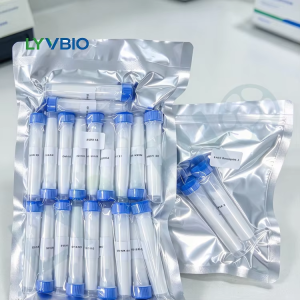
| 패키지 | 1 kg, 5 kg, 10 kg (net weight in PE bags inside fiber drums) |
도움이 필요하신가요? 저희 팀에 문의해 주세요
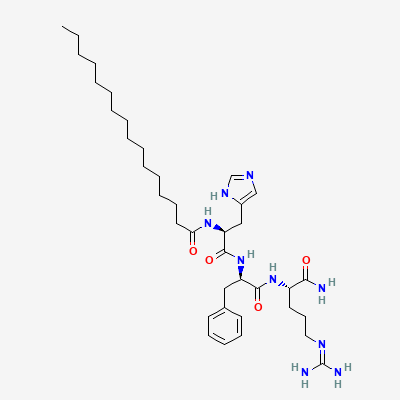
동의어: Palmitoyl Tripeptide-8, Palmitoyl Tripeptide-8 (Cosmetic Peptide), N-Palmitoyl Tripeptide-8, Pal-Tripeptide-8, Tripeptide-8 Palmitate
In the fast-evolving world of cosmetic actives, Palmitoyl Tripeptide-8 has carved out a distinct niche as a neuropeptide-inspired ingredient that addresses skin reactivity and discomfort. Formulators increasingly turn to it when developing products for sensitive or reactive skin, where traditional anti-aging actives may be too aggressive. Its ability to modulate the skin’s response to stress without irritation has made it a staple in premium dermal care lines, from soothing serums to post-procedure creams.
This synthetic tripeptide is a derivative of the natural neuropeptide substance P, with a palmitoyl chain attached to enhance skin penetration and stability. It works by interacting with the neurokinin-1 receptor, temporarily reducing the release of pro-inflammatory signals that lead to redness, itching, and stinging. Unlike many peptides that focus solely on collagen stimulation, Palmitoyl Tripeptide-8 targets the sensory side of skin health, offering a calming effect that complements barrier-repair strategies.
We supply Palmitoyl Tripeptide-8 with a minimum purity of 98% as confirmed by HPLC, ensuring consistent performance in finished formulations. Our material is synthesized under strict quality control, with each batch tested for residual solvents, heavy metals, and microbial content. Whether you are developing a product for rosacea-prone skin or a post-laser recovery cream, this peptide delivers reliable soothing benefits without compromising on efficacy.
Palmitoyl Tripeptide-8 is composed of three amino acids—arginine, proline, and lysine—linked to a palmitic acid chain. This lipophilic modification allows the molecule to penetrate the stratum corneum more effectively than unmodified peptides. The peptide backbone mimics the N-terminal sequence of substance P, enabling it to act as a competitive antagonist at the neurokinin-1 receptor. This mechanism reduces the transmission of itch and pain signals, which are often amplified in sensitive skin conditions.
In formulation, it is typically used at concentrations ranging from 0.001% to 0.01%, depending on the desired effect. It is compatible with a wide range of cosmetic ingredients, including hyaluronic acid, niacinamide, and botanical extracts. The powder form is easy to incorporate into water-based or emulsion systems, and it remains stable over a broad pH range (4.0–8.0). Its low molecular weight and palmitoyl group ensure good bioavailability in the skin’s upper layers.
| 매개변수 | 사양 |
|---|---|
| 분석법 (HPLC) | ≥98.0% |
| 외관 | 흰색에서 미색의 분말 |
| 건조 손실 | ≤5.0% |
| 중금속 | ≤10 ppm |
| Microbial Limits | Total aerobic count ≤100 CFU/g; Yeast & Mold ≤10 CFU/g; Absence of E. coli, S. aureus, P. aeruginosa |
| 잔류 용매 | Meets ICH Q3C guidelines |
 English English
 Russian
 French
 Korean
 German
 Polish
 Japanese
 Spanish
 Italian
 Vietnamese