
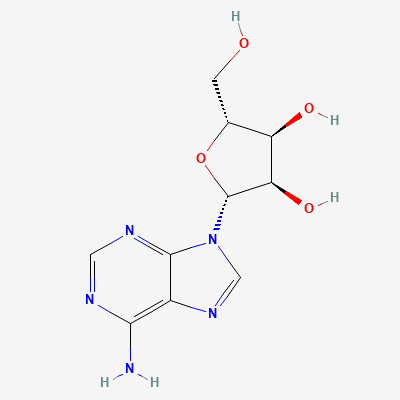
Adenosine
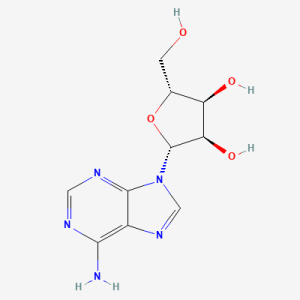
| 製品名 | Adenosine |
|---|---|
| CAS番号 | 58-61-7 |
| 分子式 | C10H13N5O4 |
| 分子量 | 267.24 g/mol |
| 外観 | 白色からオフホワイトの結晶性粉末 |
| 分析(HPLC) | ≥99.0% |
| 融点 | 234-236°C |
| 溶解度 | Soluble in water (1 g/50 mL), slightly soluble in ethanol |
| 乾燥減量 | ≤0.5% |
| 焼失残渣 | ≤0.11 TP3T |
| 重金属 | 10 ppm以下 |
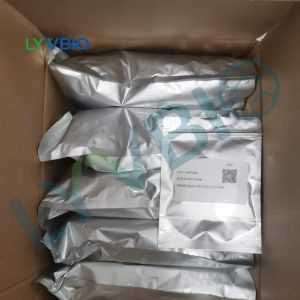
| パッケージ | 25 kg fiber drum with double polyethylene bags |
お困りですか? 弊社チームまでお問い合わせください
同義語: Adenine riboside, 9-β-D-Ribofuranosyladenine, Vitamin B4, Adenosine, 58-61-7
Adenosine is a purine nucleoside that has quietly become one of the most versatile actives in the formulator’s toolkit. While it has been known for decades as a building block of RNA and ATP, its commercial relevance has surged in recent years across skincare, pharmaceuticals, and sports nutrition. Formulators value it for its ability to modulate cellular energy metabolism and signaling, often describing it as a ‘workhorse’ ingredient that delivers noticeable results without stability headaches.
Chemically, adenosine consists of adenine linked to a ribose sugar via a β-N9-glycosidic bond. It occurs naturally in all living cells and is produced industrially through fermentation or enzymatic conversion of adenine and ribose. The synthetic route yields a highly pure, crystalline material that is chemically identical to the naturally occurring nucleoside.
Our Adenosine is manufactured under cGMP conditions and standardized to ≥99.0% purity by HPLC. It is available in cosmetic and pharmaceutical grades, with low heavy metals and tight control on residual solvents. The fine crystalline powder dissolves readily in water, making it easy to incorporate into aqueous formulations.
Adenosine is a white to off-white crystalline powder with a molecular weight of 267.24 g/mol. It is freely soluble in water, slightly soluble in ethanol, and practically insoluble in non-polar solvents. The molecule is stable under normal storage conditions and is compatible with a wide range of excipients and active ingredients.
In cosmetic applications, adenosine functions as an anti-aging and soothing agent. It is known to activate adenosine A1 receptors in dermal fibroblasts, which can stimulate collagen synthesis and improve skin firmness. It also helps reduce redness and inflammation, making it suitable for sensitive skin formulations.
In the pharmaceutical and nutraceutical space, adenosine is used as a vasodilator, antiarrhythmic, and neuroprotective agent. It is a key component in cardiology diagnostics and is investigated for its role in pain modulation and sleep regulation. Its ability to increase intracellular ATP levels has led to its inclusion in sports nutrition products aimed at endurance and recovery.
| パラメータ | 仕様 |
|---|---|
| 分析(HPLC) | ≥99.0% |
| 外観 | 白色からオフホワイトの結晶性粉末 |
| 乾燥減量 | ≤0.5% |
| 焼失残渣 | ≤0.11 TP3T |
| 重金属 | 10 ppm以下 |
| Microbial Limits | Total aerobic count ≤1000 CFU/g; Yeast & Mold ≤100 CFU/g; E. coli absent |
| 残留溶剤 | Meets ICH Q3C guidelines |
 English English
 Russian
 French
 Korean
 German
 Polish
 Japanese
 Spanish
 Italian
 Vietnamese