
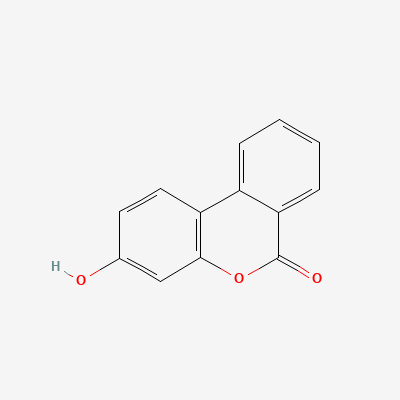
ウロリチンB
| 製品名 | ウロリチンB |
|---|---|
| CAS番号 | 1139-83-9 |
| 分子式 | C13H8O3 |
| 分子量 | 212.20 g/mol |
| 外観 | Off-white to light yellow crystalline powder |
| 分析(HPLC) | ≥98.0% |
| 融点 | 278-280°C |
| 溶解度 | Soluble in DMSO, ethanol; slightly soluble in water |
| 乾燥減量 | ≤0.5% |
| 焼失残渣 | ≤0.11 TP3T |
| 重金属 | 10 ppm以下 |
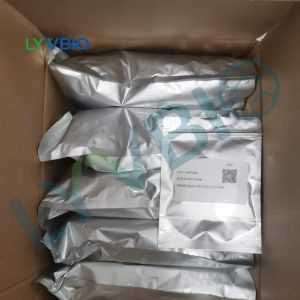
| パッケージ | 1 kg, 5 kg, 25 kg drums |
お困りですか? 弊社チームまでお問い合わせください
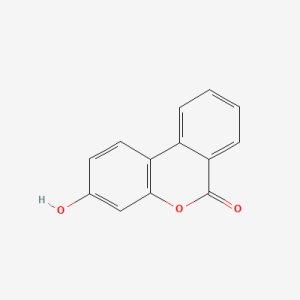
同義語: 3-Hydroxy-6H-dibenzo[b,d]pyran-6-one, 3-Hydroxyurolithin B, 3-Hydroxy-6H-benzo[c]chromen-6-one, 3-Hydroxy-6H-dibenzo[b,d]pyran-6-one, Urolithin B
Urolithin B is a gut microbiota-derived metabolite of ellagitannins, a class of hydrolyzable tannins found in pomegranates, walnuts, and berries. It belongs to the urolithin family, which are dibenzo[b,d]pyran-6-one derivatives formed through the sequential action of intestinal bacteria on ellagic acid. Urolithin B is one of the major urolithins detected in human plasma and urine after consumption of ellagitannin-rich foods, alongside urolithin A. While urolithin A has gained significant attention for its mitophagy-inducing properties, urolithin B is increasingly recognized for its distinct biological activities, particularly in muscle physiology and inflammation modulation.
From a chemical perspective, urolithin B (C13H8O3) is a hydroxylated dibenzo-pyranone with a molecular weight of 212.20 g/mol. It differs from urolithin A by the absence of a hydroxyl group at the 8-position, which influences its solubility, metabolic stability, and interaction with biological targets. This structural distinction underpins its unique pharmacological profile, including its ability to modulate androgen receptor signaling and inhibit NF-κB activation. Urolithin B is typically produced via chemical synthesis or through biotransformation of ellagic acid using microbial cultures, ensuring high purity and consistent supply for research and product development.
In the nutritional and pharmaceutical industries, urolithin B is explored for its potential in muscle health, anti-inflammatory applications, and as a reference standard for analytical methods. It is available at high purity grades (≥98% by HPLC) and is used in preclinical studies, dietary supplement formulations, and as a biomarker for gut microbial metabolism of polyphenols.
| パラメータ | 仕様 |
|---|---|
| 分析(HPLC) | ≥98.0% |
| 識別 | NMR, MS conforms to structure |
| 乾燥減量 | ≤0.5% |
| 焼失残渣 | ≤0.11 TP3T |
| 重金属 | 10 ppm以下 |
| Microbial Limits | Total aerobic count ≤1000 CFU/g, Yeast & Mold ≤100 CFU/g, E. coli absent |
 English English
 Russian
 French
 Korean
 German
 Polish
 Japanese
 Spanish
 Italian
 Vietnamese