
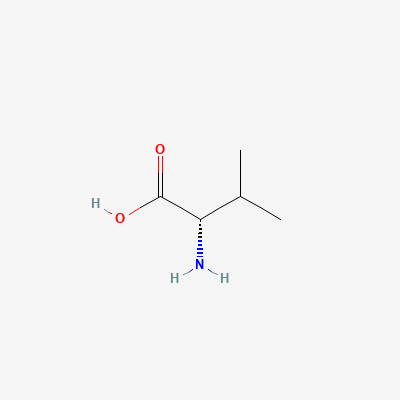
L-Valine
| Nome del prodotto | L-Valine |
|---|---|
| Numero CAS | 72-18-4 |
| Formula molecolare | C5H11NO2 |
| Peso molecolare | 117.15 g/mol |
| Aspetto | Polvere cristallina bianca |
| Analisi (HPLC) | 98.5% – 101.5% |
| Rotazione specifica | +26.5° to +29.0° (c=8, 6N HCl) |
| Perdita per essiccazione | ≤0.30% |
| Residuo di combustione | ≤0.10% |
| Metalli pesanti | ≤10 ppm |
| Confezione | 25 kg fiber drum with PE liner |
Hai bisogno di aiuto? Contatta il nostro team
Sinonimi: L-2-Amino-3-methylbutanoic acid, (S)-Valine, (S)-2-Amino-3-methylbutanoic acid, L-α-Aminoisovaleric acid, 2-Amino-3-methylbutyric acid
L-Valine is one of the three branched-chain amino acids (BCAAs), alongside L-leucine and L-isoleucine. It is an essential amino acid, meaning the human body cannot synthesize it, so it must be obtained through diet or supplementation. First isolated from casein in 1901 by Emil Fischer, L-valine has since become a staple in clinical nutrition, sports supplements, and pharmaceutical formulations.
As a building block for protein synthesis, L-valine plays a critical role in muscle metabolism, tissue repair, and energy production during exercise. It is also a precursor for the synthesis of other important molecules, including penicillin and other antibiotics in microbial fermentation. In pharmaceutical applications, L-valine is used as an active ingredient in amino acid injections, oral nutritional supplements, and as a chiral building block in drug synthesis.
Our L-valine is produced via microbial fermentation using a non-animal origin process, ensuring high purity and consistent quality. It is available in various grades, including pharmaceutical grade (USP/EP/BP) and food grade, to meet the diverse needs of our customers.
| Parametro | Specifiche |
|---|---|
| Analisi (HPLC) | 98.5% – 101.5% |
| Identificazione | IR, HPLC retention time complies |
| Rotazione specifica | +26.5° to +29.0° (c=8, 6N HCl) |
| Perdita per essiccazione | ≤0.30% |
| Residuo di combustione | ≤0.10% |
| Metalli pesanti | ≤10 ppm |
| Limiti microbiologici | Total aerobic count ≤1000 CFU/g; Yeast & Mold ≤100 CFU/g; E. coli absent; Salmonella absent |
Room,5-0203, Unit 5, Beiyuanmen Street,Xi'an,Shaanxi,China
 English English
 Russian
 French
 Korean
 German
 Polish
 Japanese
 Spanish
 Italian
 Vietnamese