
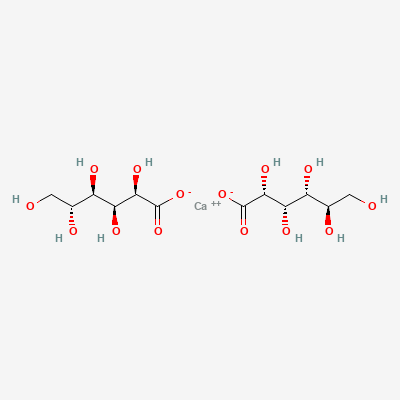
Calcium gluconate
| Nombre del producto | Calcium Gluconate |
|---|---|
| Número CAS | 299-28-5 |
| Otros nombres | D-Gluconic acid calcium salt; Calcium D-gluconate; Gluconic acid calcium salt |
| Fórmula molecular | C12H22CaO14 |
| Peso molecular | 430.37 g/mol |
| Apariencia | Polvo cristalino de color blanco a blanquecino |
| Assay (USP/EP) | 99.0% – 101.0% (on dried basis) |
| Pérdida por secado | ≤ 1,01 TP3T |
| Metales pesados | ≤ 10 ppm |
| Solubilidad | Freely soluble in water; practically insoluble in ethanol |
| Tamaño de las partículas | Customizable (e.g., 80–200 mesh) |
| Paquete | 25 kg net paper bags with PE liner; 500 kg bulk bags |
¿Necesitas ayuda? Póngase en contacto con nuestro equipo
Synonyms: Calcium D-gluconate, D-Gluconic acid calcium salt, Gluconic acid calcium salt, Calcium gluconate USP, Calcium gluconate EP
Calcium gluconate has quietly become one of the most versatile mineral salts in the pharmaceutical and nutraceutical toolbox. Demand has been steady across injectable formulations, oral calcium supplements, and food fortification, driven by an aging population focused on bone health and by clinical protocols that rely on a fast, well-tolerated source of elemental calcium. For buyers sourcing raw materials, it is a workhorse ingredient: chemically stable, highly water-soluble, and backed by decades of safety data.
The compound is the calcium salt of gluconic acid, formed when calcium carbonate reacts with gluconic acid. The result is a white, crystalline powder that dissolves readily in water — a property that sets it apart from calcium carbonate and calcium phosphate, which can be gritty and poorly soluble at neutral pH. This high solubility makes calcium gluconate particularly valuable in liquid dosage forms, injectables, and clear beverages where mouthfeel and bioavailability matter.
Commercial grades are typically standardized to 99.0–101.0% on the dried basis, meeting USP, EP, or BP monographs. Manufacturers offer both pharmaceutical-grade material with full regulatory documentation and food-grade material for fortification. Whether you are formulating a sterile injection, a chewable tablet, or a fortified juice, calcium gluconate delivers a reliable, bioavailable calcium load without the chalky texture or gastrointestinal discomfort often associated with other calcium sources.
Calcium gluconate is a coordination compound in which one calcium ion is bound to two gluconate anions. The gluconate moiety is the oxidized form of glucose, and its multiple hydroxyl groups confer exceptional water solubility. This structure allows the calcium to dissociate rapidly in aqueous solution, making it immediately available for absorption or for intravenous administration.
The molecular formula is C12H22CaO14, with a molecular weight of 430.37 g/mol. In its solid state, the salt is stable under normal storage conditions; it does not readily absorb moisture, and it resists degradation at room temperature. This stability simplifies handling and extends shelf life, an important consideration for formulators and procurement teams alike.
| Parámetro | Especificaciones |
|---|---|
| Assay (on dried basis) | 99.0% – 101.0% |
| Pérdida por secado | ≤ 1,01 TP3T |
| Metales pesados | ≤ 10 ppm |
| Arsenic | ≤ 3 ppm |
| Límites microbianos | Total aerobic count ≤ 1000 CFU/g; Yeast & mold ≤ 100 CFU/g; E. coli absent |
| Residuo tras la combustión | ≤ 0,51 TP3T |
| Identificación | Passes USP/EP tests for calcium and gluconate |
Room,5-0203, Unit 5, Beiyuanmen Street,Xi'an,Shaanxi,China
 English English
 Russian
 French
 Korean
 German
 Polish
 Japanese
 Spanish
 Italian
 Vietnamese