
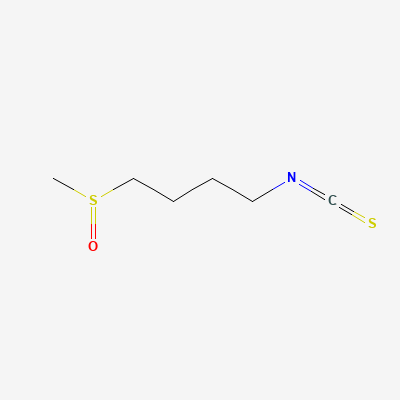
Sulforaphane
| Product Name | Sulforaphane |
|---|---|
| CAS Number | 4478-93-7 |
| Other Names | 1-Isothiocyanato-4-(methylsulfinyl)butane; 4-Methylsulfinylbutyl isothiocyanate; Sulforaphane |
| Molecular Formula | C6H11NOS2 |
| Molecular Weight | 177.29 g/mol |
| Appearance | Colorless to pale yellow liquid or low-melting solid |
| Assay (HPLC) | ≥98.0% |
| Solubility | Soluble in ethanol, DMSO, acetone; slightly soluble in water |
| Storage | Store at -20°C, protect from light and moisture |
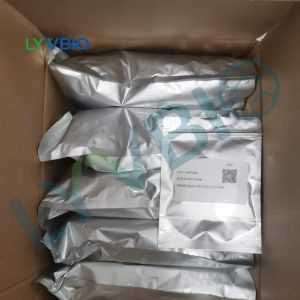
| Package | 1 kg, 5 kg, 10 kg in amber glass bottles or aluminum cans |
Need help? Contact our team
Synonyms: Sulforaphane, 1-Isothiocyanato-4-(methylsulfinyl)butane, 4-Methylsulfinylbutyl isothiocyanate, SFN, Sulforaphane glucosinolate
Sulforaphane is a naturally occurring isothiocyanate derived from glucoraphanin, a glucosinolate found in cruciferous vegetables such as broccoli, Brussels sprouts, and cabbage. It is the primary bioactive compound responsible for the health-promoting properties of these vegetables, particularly broccoli sprouts. As a highly purified ingredient, sulforaphane is standardized to ≥98% purity (HPLC) and is available as a colorless to pale yellow liquid or low-melting solid.
In the B2B arena, sulforaphane has gained significant attention for its potential applications in dietary supplements, functional foods, and pharmaceutical research. Its ability to activate the Nrf2 pathway and induce phase II detoxification enzymes has made it a subject of extensive study in areas such as cancer chemoprevention, neuroprotection, and anti-inflammatory therapies. With a growing body of scientific evidence, sulforaphane is positioned as a premium ingredient for advanced nutraceutical formulations.
| Parameter | Specification |
|---|---|
| Appearance | Colorless to pale yellow liquid |
| Assay (HPLC) | ≥98.0% |
| Identification | Conforms to standard |
| Heavy Metals | ≤10 ppm |
| Loss on Drying | ≤0.5% |
| Residue on Ignition | ≤0.1% |
Room,5-0203, Unit 5, Beiyuanmen Street,Xi'an,Shaanxi,China
 English English
 Russian
 French
 Korean
 German
 Polish
 Japanese
 Spanish
 Italian
 Vietnamese