
Need help? Contact our team
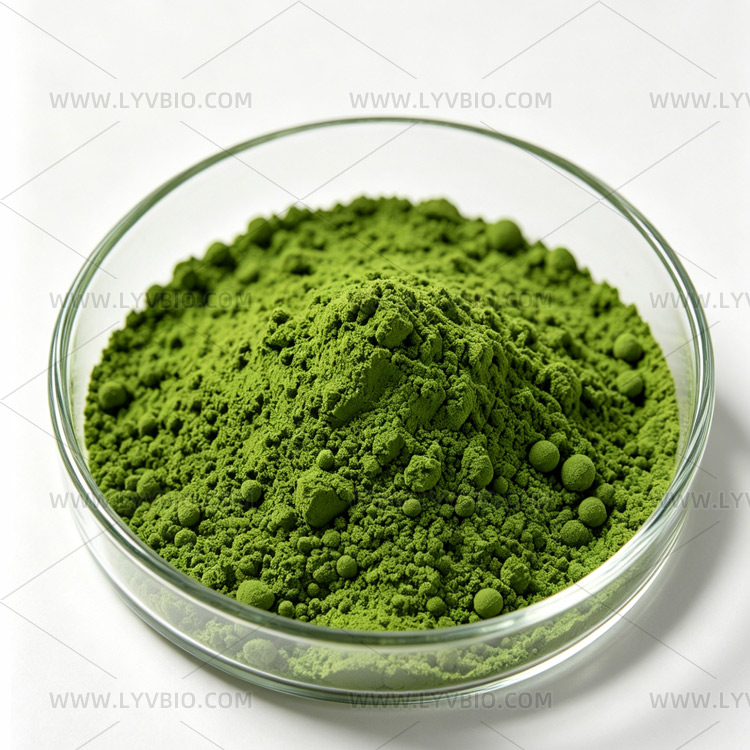
Chlorella is a genus of single-celled green microalgae belonging to the division Chlorophyta. Among microalgae species, it stands as one of the most extensively cultivated and scientifically validated nutritional ingredients globally. Unlike spirulina (a cyanobacterium), chlorella is a true eukaryotic microalga containing a distinct nucleus and chloroplasts, which enables superior chlorophyll synthesis
| Parameter | Chlorella (C. vulgaris) | Spirulina (A. platensis) |
|---|---|---|
| Classification | Eukaryotic green microalga | Prokaryotic cyanobacterium |
| Protein Content | 60–65% (higher) | 55–60% |
| Chlorophyll | Significantly higher | Lower |
| Nucleic Acids | Lower (4–6%) | Higher (up to 10%) |
| Cell Wall | Tough cellulose (requires breaking) | Digestible polysaccharide |
| Key Compounds | Chlorella Growth Factor (CGF), chlorophyll | Phycocyanin, gamma-linolenic acid |
Chlorella contains higher protein content (64.63% in comparative analyses) and significantly greater chlorophyll concentrations than spirulina . It also demonstrates higher levels of niacin (vitamin B3) and riboflavin (vitamin B2), making it particularly valuable for formulations targeting nutritional fortification.
| Component | Typical Concentration | Significance |
|---|---|---|
| Protein | 50–65% | Complete amino acid profile; all essential EAA present |
| Chlorophyll | 2–3% | Highest among plant sources; detoxification support |
| Fiber (including chitin) | 10–15% | Digestive health; heavy metal binding |
| Lipids (including ALA) | 8–12% | Omega-3 fatty acids (alpha-linolenic acid) |
| Carbohydrates | 15–25% | Beta-glucans; immunomodulatory polysaccharides |
| Chlorella Growth Factor (CGF) | Unique to chlorella | Nucleotide-peptide complex; cellular regeneration |
Recent peer-reviewed research has established a direct correlation between chlorella’s color intensity and its nutritional value. The dark green variety (cultivated under autotrophic conditions with full sunlight exposure) contains the highest lipid content (10.3% dry weight) and the greatest concentration of alpha-linolenic acid (ALA) at 8.8 µg/mg dry weight .
By contrast, light green and yellow varieties contain approximately one-third the ALA content of dark green chlorella, while white chlorella (heterotrophically cultivated without light) contains only insignificant amounts of ALA and omega-3 PUFAs.
Chlorella’s fibrous cell wall contains polysaccharides, sporopollenin, and chitin-like polymers that demonstrate high binding affinity for heavy metals including lead, mercury, and cadmium. These indigestible fibers sequester toxins in the intestinal tract, preventing systemic absorption and facilitating elimination via feces .
Chlorella activates Natural Killer (NK) cells and stimulates macrophage activity through its beta-glucan content and CGF complex. Clinical research indicates enhanced secretory immunoglobulin A (sIgA) production, supporting mucosal immunity .
Chlorella delivers a comprehensive array of antioxidant compounds:
Chlorophyll – Neutralizes free radicals; protects mitochondrial membranes
Carotenoids (lutein, zeaxanthin, beta-carotene) – Supports ocular health
Polyphenols (including p-hydroxybenzoic acid) – Reduces oxidative stress markers
The combination of omega-3 fatty acids, fiber, and plant sterols contributes to:
Reduced LDL oxidation
Improved lipid profiles (lower triglycerides, increased HDL)
Enhanced glycemic control in prediabetic populations
| Form | Typical Concentration | Applications |
|---|---|---|
| Whole Cell Powder (Cracked) | 50–60% protein | Tablets, capsules, bulk supplements |
| Spray-Dried Powder | 50–65% protein | Beverages, functional foods, protein blends |
| Tablets (400–500 mg) | Standardized | Direct consumption (retail) |
| Water-Dispersible Powder | 50% protein + emulsifiers | Instant beverages, liquid formulations |
| Hydrolyzed/Enzymatically Treated | 60%+ protein | High-solubility applications |
25 kg fiber drums with double PE liners (industry standard for bulk)
1–5 kg aluminum foil bags – Sample/trial quantities
Custom retail packaging – Jars, pouches, private label
Shelf life: 24 months from date of manufacture
Storage conditions: Cool, dry environment (<25°C, <60% RH)
Packaging: Keep sealed; protect from light, oxygen, and moisture
After opening: Consume within 6 months for optimal potency
Ready to secure a reliable chlorella supply chain for your formulations?
📧 Email: info@lyvbio.com
🌐 Website: https://www.lyvbio.com
 English English
  Russian
 French
 Korean
 German
 Polish
 Japanese
 Spanish
 Italian
 Vietnamese