
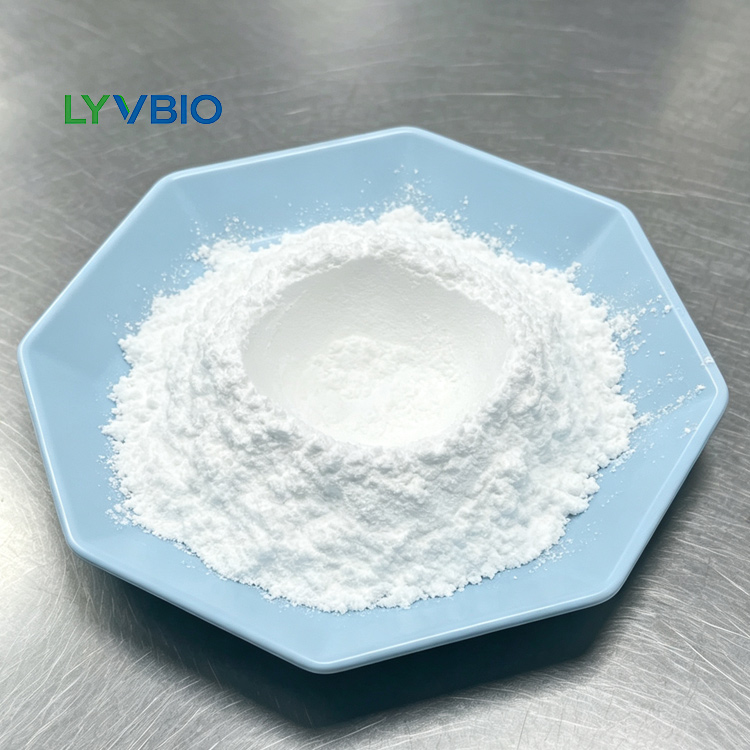
Ascorbic Acid-Vitamin C
| Product Name | Ascorbic Acid |
|---|---|
| CAS Number | 50-81-7 |
| Other Names | Vitamin C, L-Ascorbic Acid, L-ascorbate |
| Molecular Formula | C6H8O6 |
| Molecular Weight | 176.12 g/mol |
| Appearance | White to off-white crystalline powder |
| Assay | 99.0% – 100.5% (USP/EP/BP) |
| Melting Point | 190 – 192 °C (decomposes) |
| Solubility | Freely soluble in water (330 mg/mL at 20 °C), slightly soluble in ethanol, insoluble in fat |
| Loss on Drying | ≤ 0.4% |
| Residue on Ignition | ≤ 0.1% |
| Heavy Metals | ≤ 10 ppm |
| Specific Rotation | +20.5° to +21.5° (10% w/v aqueous solution) |
| Package | 25 kg net paper bags with PE liner, or 25 kg fiber drums |
Need help? Contact our team
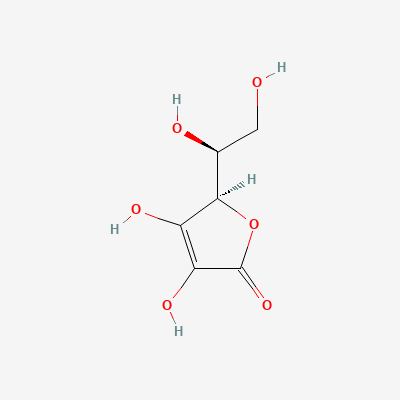
Synonyms: Vitamin C, L-Ascorbic Acid, L-ascorbate, E300, Ascorbate, 3-Oxo-L-gulofuranolactone
Ascorbic Acid, also known as Vitamin C, is a water-soluble vitamin and essential nutrient for humans and many animals. It is a white to off-white crystalline powder, freely soluble in water, with a molecular formula of C6H8O6 and a molecular weight of 176.12 g/mol. It is produced through a combination of chemical and fermentation processes, starting from glucose. Commercially available Ascorbic Acid is typically of high purity, meeting pharmacopeial standards such as USP, EP, and BP.
As a powerful antioxidant and cofactor for various enzymatic reactions, Ascorbic Acid plays a critical role in collagen synthesis, neurotransmitter production, and immune function. It is widely used in the pharmaceutical, nutraceutical, food and beverage, and cosmetic industries. Its versatility and established safety profile make it one of the most widely consumed vitamins globally.
| Parameter | Specification |
|---|---|
| Assay | 99.0% – 100.5% |
| Appearance | White to off-white crystalline powder |
| Identification | IR, UV conforms |
| Loss on Drying | ≤ 0.4% |
| Residue on Ignition | ≤ 0.1% |
| Heavy Metals | ≤ 10 ppm |
| Specific Rotation | +20.5° to +21.5° |
Room,5-0203, Unit 5, Beiyuanmen Street,Xi'an,Shaanxi,China
 English English
 Russian
 French
 Korean
 German
 Polish
 Japanese
 Spanish
 Italian
 Vietnamese