
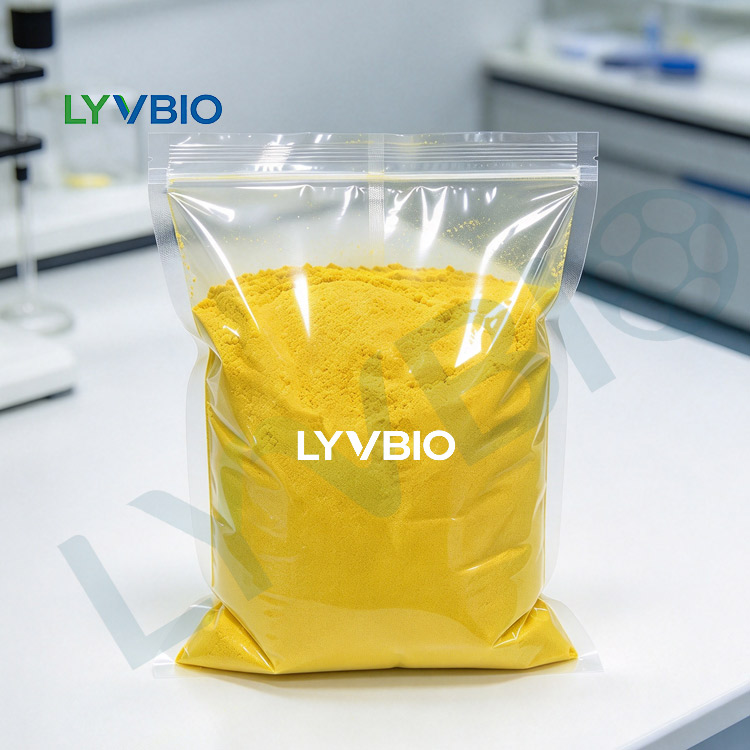
Hydroxypinacolone Retinoate
| Nazwa produktu | Hydroxypinacolone Retinoate |
|---|---|
| Numer CAS | 93412-73-2 |
| Synonyms | Granactive Retinoid; HPR; Hydroxypinacolone Retinoate; Retinoic Acid Ester; all-trans-Retinoic Acid Ester with Hydroxypinacolone |
| Wygląd | Biały lub prawie biały krystaliczny proszek |
| Wzór cząsteczkowy | C26H38O3 |
| Masa cząsteczkowa | 398.58 g/mol |
| Oznaczenie (HPLC) | ≥95.0% |
| Rozpuszczalność | Soluble in ethanol, DMSO, and other organic solvents; practically insoluble in water |
| Przechowywanie | Store in a cool, dry place, protected from light and moisture |
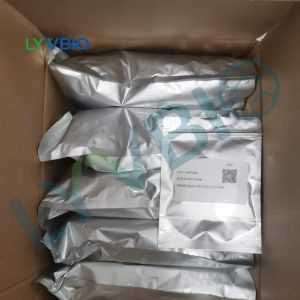
| Opakowanie | 1 kg, 5 kg, 10 kg in aluminum foil bags or fiber drums |
Potrzebujesz pomocy? Skontaktuj się z naszym zespołem
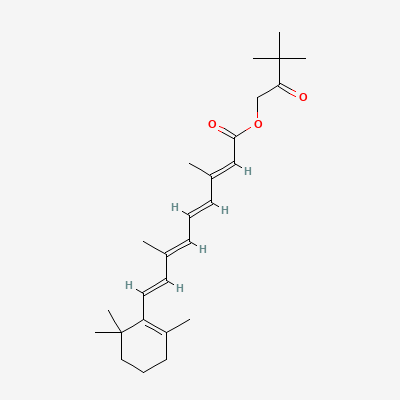
Synonimy: Granactive Retinoid, HPR, Hydroxypinacolone Retinoate, Retinoic Acid Ester, all-trans-Retinoic Acid Ester with Hydroxypinacolone
Hydroxypinacolone Retinoate (HPR) is a high-performance retinoid ester that has been generating considerable interest in the personal care and pharmaceutical industries. Unlike conventional retinol, HPR is a ester of all-trans-retinoic acid and hydroxypinacolone, a branched-chain alcohol. This molecular design not only enhances stability but also allows for direct biological activity without the need for metabolic conversion. Since its introduction, HPR has become a key ingredient in premium anti-aging formulations, prized for its ability to deliver retinoic acid-like benefits with reduced irritation potential.
From a chemical standpoint, HPR belongs to the class of retinoids, which includes retinol, retinal, and retinoic acid. The ester linkage in HPR is crucial: it masks the carboxylic acid group of retinoic acid, improving lipophilicity and skin penetration. Once absorbed, HPR can interact with retinoic acid receptors (RARs) directly, bypassing the oxidative conversion steps required by retinol. This direct receptor binding is thought to underlie its efficacy in modulating gene expression related to cell proliferation, differentiation, and extracellular matrix production. Compared to retinoic acid, HPR exhibits a more favorable safety profile, making it suitable for a wider range of skin types.
In the market, HPR is typically offered as a high-purity crystalline powder, with assay values of 95% or higher. It is commonly incorporated into anti-aging serums, creams, and lotions at concentrations ranging from 0.1% to 1%. Beyond cosmetics, HPR is also explored in dermatological research for its potential in treating acne, psoriasis, and photoaging. Its compatibility with other actives, such as niacinamide and peptides, further expands its formulation versatility. As consumer demand for effective yet gentle retinoids grows, HPR stands out as a compelling active ingredient for next-generation skincare products.
| Parametr | Specyfikacja |
|---|---|
| Oznaczenie (HPLC) | ≥95.0% |
| Identyfikacja | IR, HPLC retention time conforms to standard |
| Strata przy suszeniu | ≤0.5% |
| Popiół po spaleniu | ≤0,11 TP3T |
| Metale ciężkie | ≤10 ppm |
| Wartości graniczne dla mikroorganizmów | Total aerobic count ≤1000 CFU/g; Yeast & Mold ≤100 CFU/g; E. coli absent |
Room,5-0203, Unit 5, Beiyuanmen Street,Xi'an,Shaanxi,China
 English English
 Russian
 French
 Korean
 German
 Polish
 Japanese
 Spanish
 Italian
 Vietnamese