
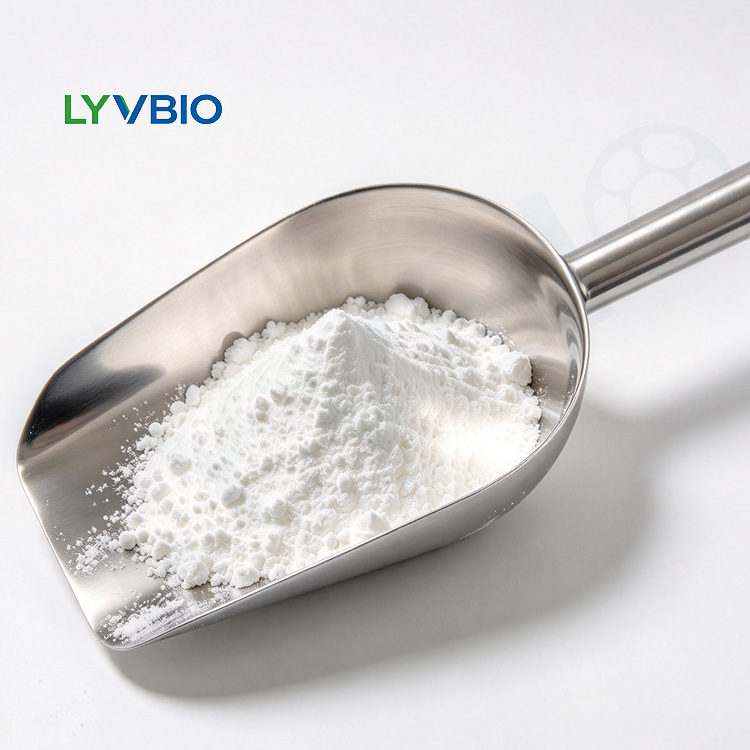
Palmitoylethanolamide (PEA)
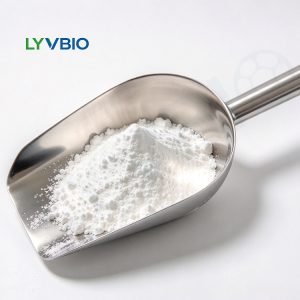
| 제품명 | Palmitoylethanolamide (PEA) |
|---|---|
| CAS 번호 | 544-31-0 |
| 다른 이름 | N-(2-Hydroxyethyl)hexadecanamide, PEA, Palmidrol |
| 분자식 | C18H37NO2 |
| 분자량 | 299.49 g/mol |
| 외관 | 흰색에서 미백색의 결정성 분말 |
| 분석법 (HPLC) | ≥98.0% |
| 융점 | 98-102°C |
| 용해도 | Soluble in ethanol, DMSO, dimethylformamide; practically insoluble in water |
| 건조 손실 | ≤0.5% |
| 중금속 | ≤10 ppm |
| 패키지 | 25 kg fiber drum with double polyethylene liner |
도움이 필요하신가요? 저희 팀에 문의해 주세요
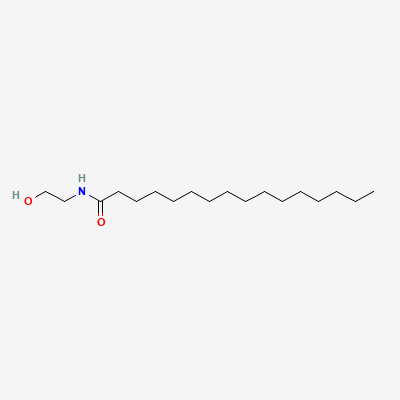
동의어: Palmitoylethanolamide, PEA, N-(2-Hydroxyethyl)hexadecanamide, Palmidrol, N-Hexadecanoylethanolamine, Hydroxyethylpalmitamide, Impulsin
Palmitoylethanolamide (PEA) is a naturally occurring fatty acid amide belonging to the class of nuclear factor agonists. It is synthesized endogenously in humans and animals, and is also found in various plant sources such as egg yolk, peanuts, and soybeans. For commercial and research applications, PEA is typically produced through chemical synthesis or enzymatic routes, yielding a high-purity white crystalline powder. Our PEA is manufactured under strict quality control and is available with a minimum assay of 98% as determined by HPLC.
As a specialized supplier, LyvBio provides PEA in bulk quantities to pharmaceutical, nutraceutical, and research organizations worldwide. Its unique mechanism of action, involving the modulation of peroxisome proliferator-activated receptor alpha (PPAR-α) and cannabinoid-like receptors, has attracted significant interest for its potential in managing neuropathic pain, inflammation, and related conditions. This product is intended for further processing or research purposes only, not for direct human consumption.
| 매개변수 | 사양 |
|---|---|
| 분석법 (HPLC) | ≥98.0% |
| 외관 | 흰색에서 미백색의 결정성 분말 |
| 식별 | IR and NMR spectra conform to structure |
| 건조 손실 | ≤0.5% |
| 중금속 | ≤10 ppm |
| 잔류 용매 | Meets USP requirements |
 English English
 Russian
 French
 Korean
 German
 Polish
 Japanese
 Spanish
 Italian
 Vietnamese