
도움이 필요하신가요? 저희 팀에 문의해 주세요
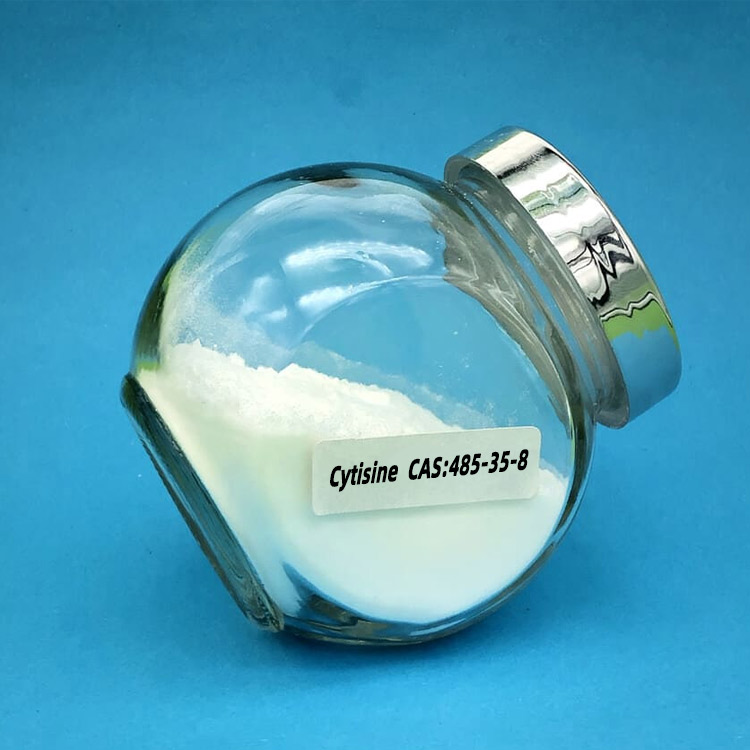
Cytisine, also known as baptitoxine, cytisinicline, or sophorine, is an alkaloid that occurs naturally in several plant genera, such as Laburnum 그리고 Cytisus of the family Fabaceae. It has been used medically to help with smoking cessation.
It has been found effective in several randomized clinical trials, including in the United States and New Zealand,and is being investigated in additional trials in the United States and a non-inferiority trial in Australia in which it is being compared head-to-head with the smoking cessation aid varenicline (sold in the United States as Chantix).
It has also been used entheogenically via mescalbeans by some Native American groups, historically in the Rio Grande Valley predating even peyote.
Cytisine (or cytisinicline) is a natural alkaloid extracted from certain plants of the Fabaceae family, notably theCytisus laburnumIt is a partial agonist of nicotinic receptors, acting as a “pharmacological substitute” for nicotine: it alleviates withdrawal symptoms and reduces the effects of smoked tobacco, without producing the same effects as nicotine. Its mode of action is similar to that of varenicline, another reference partial agonist.
Used for over half a century in Eastern Europe and Central Asia, cytisine has until now had only limited international recognition. Its inclusion in the WHO Model List of Essential Medicines is a decisive step in its recognition as a standard treatment for smoking cessation.
The assessment conducted by the WHO Expert Committee was based on a robust body of clinical data. Several randomized trials have shown that cytisine increases the chances of long-term abstinence by two to three times compared to a placebo. The results indicate an efficacy comparable to that of varenicline, with a safety profile considered favorable. Adverse effects, generally mild and transient, mainly concern mild digestive disorders or nausea, which are significantly less marked than with other treatments for tobacco dependence.
The standard dosage, in the form of a 25-day course, offers additional advantages in terms of simplicity and compliance. New protocols, tested over 6 to 12 weeks, have also demonstrated enhanced efficacy and excellent tolerance, offering greater flexibility depending on addiction profiles.
Several systematic reviews, including Cochrane 2023, confirm that cytisine is now among the most effective treatments available, with comparable efficacy to varenicline and often a more favorable safety profile. By including it on its Model List, the WHO officially recognizes its strategic role in tobacco control and includes it alongside nicotine replacement therapy, bupropion, and varenicline, thus expanding the range of validated and accessible therapies
 English English
  Russian
 French
 Korean
 German
 Polish
 Japanese
 Spanish
 Italian
 Vietnamese