
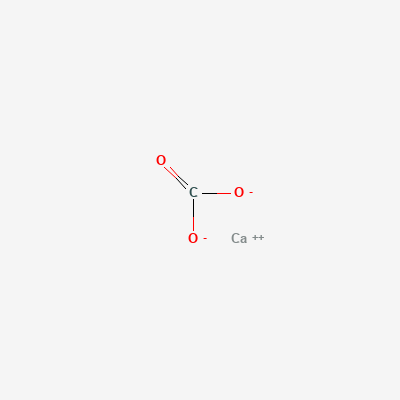
Calcium carbonate
| 제품명 | Calcium carbonate |
|---|---|
| 다른 이름 | Precipitated calcium carbonate (PCC), Ground calcium carbonate (GCC), Limestone, Calcite, Aragonite |
| CAS 번호 | 471-34-1 |
| 분자식 | CaCO3 |
| 분자량 | 100.09 g/mol |
| 외관 | White, odorless powder or crystalline solid |
| Assay | ≥ 99.0% (dry basis, complexometric titration) |
| 건조 손실 | ≤ 2.0% |
| 소각 잔류물 | Not applicable (decomposes upon ignition) |
| 중금속 | ≤ 20 ppm (as Pb) |
| 용해도 | Practically insoluble in water; soluble in dilute acids with effervescence |
| 입자 크기 | Typical D50: 2–20 µm (customizable) |
| 패키지 | 25 kg multi-wall paper bags, 500 kg / 1000 kg jumbo bags |
도움이 필요하신가요? 저희 팀에 문의해 주세요
Synonyms: Calcium carbonate, Carbonic acid calcium salt, Limestone, Calcite, Aragonite, Chalk, Marble, Precipitated calcium carbonate (PCC), Ground calcium carbonate (GCC)
Calcium carbonate is an inorganic salt with the formula CaCO3, consisting of calcium ions (Ca2+) and carbonate ions (CO32-) arranged in a crystal lattice. It occurs naturally in three anhydrous polymorphs—calcite, aragonite, and vaterite—with calcite being the most thermodynamically stable under ambient conditions. The carbonate ion is planar with D3h symmetry, and the calcium ions are coordinated to six oxygen atoms in a distorted octahedral geometry. This simple yet versatile structure underpins its widespread industrial and pharmaceutical utility.
Commercially, calcium carbonate is derived from limestone, marble, or chalk deposits (ground calcium carbonate, GCC) or produced synthetically via carbonation of calcium hydroxide (precipitated calcium carbonate, PCC). It is available in various grades, including technical, food, and pharmaceutical (USP/EP/BP) grades, each with specific purity and particle size distributions. The pharmaceutical grade is typically a fine, white powder with high chemical purity, meeting stringent limits for heavy metals and microbial contamination.
In the pharmaceutical and nutraceutical industries, calcium carbonate serves as a calcium supplement, antacid, and excipient. As a supplement, it provides essential calcium for bone health and is often combined with vitamin D to enhance absorption. As an antacid, it neutralizes gastric acid, offering rapid relief from heartburn and indigestion. In tablet formulations, it acts as a diluent, binder, or coating agent, contributing to tablet hardness and disintegration. Beyond pharma, it is a key raw material in the production of glass, ceramics, paints, plastics, and paper, where it functions as a filler, extender, or whitening agent.
Calcium carbonate is an ionic compound that crystallizes in three polymorphs: calcite (trigonal), aragonite (orthorhombic), and vaterite (hexagonal). Calcite is the most common and stable form, characterized by a rhombohedral lattice. The compound has a molecular weight of 100.09 g/mol, a density of 2.71 g/cm³ (calcite), and a Mohs hardness of 3. It is practically insoluble in water (solubility product Ksp = 3.3 × 10⁻⁹ at 25 °C) but dissolves readily in dilute acids, releasing carbon dioxide. Upon heating above 825 °C, it decomposes to calcium oxide and carbon dioxide. Its refractive index is 1.49–1.66, and it exhibits birefringence. These properties make it suitable for applications requiring thermal stability, acid reactivity, and optical clarity.
| 매개변수 | 사양 |
|---|---|
| Assay (as CaCO3) | ≥ 99.0% |
| 건조 손실 | ≤ 2.0% |
| Heavy Metals (as Pb) | ≤ 20 ppm |
| Arsenic (As) | ≤ 3 ppm |
| Lead (Pb) | ≤ 3 ppm |
| Mercury (Hg) | ≤ 1 ppm |
| Microbial Limits | Total aerobic count ≤ 1000 cfu/g; absence of E. coli, Salmonella |
 English English
 Russian
 French
 Korean
 German
 Polish
 Japanese
 Spanish
 Italian
 Vietnamese