

도움이 필요하신가요? 저희 팀에 문의해 주세요
Astaxanthin is a naturally occurring ketocarotenoid belonging to the xanthophyll family. It is widely recognized as one of the most potent antioxidants in nature, with an oxygen radical absorbance capacity (ORAC) that is:
| 출처 | 수율 | 특징 |
|---|---|---|
| Haematococcus pluvialis (microalgae) | 1.5–3% dry weight | Highest natural concentration; preferred for human nutrition |
| Xanthophyllomyces dendrorhous (yeast) | 보통 | Faster production; primarily for aquaculture |
| Paracoccus carotinifaciens (bacteria) | 보통 | Fermentation-derived |
| Synthetic | 해당 사항 없음 | Petrochemical-derived; used in aquaculture feed |
Industry Standard: For human dietary supplements and cosmetics, natural astaxanthin from Haematococcus pluvialis is the premium choice due to its superior bioavailability and safety profile.
Astaxanthin’s exceptional antioxidant activity stems from its unique structure:
This allows astaxanthin to neutralize singlet oxygen and peroxyl radicals while protecting membrane phospholipids from peroxidation – a capability few other antioxidants possess.
| Health Benefit | 메커니즘 | 임상적 근거 |
|---|---|---|
| Eye health | Reduces oxidative stress in retina; protects against blue light damage | Reduces eyestrain (CFF improvement) |
| Skin health | Protects from UV damage; reduces wrinkles and moisture loss | Improves skin elasticity and hydration |
| Joint health | Reduces inflammation and oxidative stress in synovium | Reduces joint pain and improves mobility |
| Cardiovascular | Lowers LDL oxidation; improves blood flow and lipid profile | Reduces triglycerides, increases HDL |
| Brain health | Crosses blood-brain barrier; reduces neuroinflammation | Improves cognitive function in aged adults |
| 스포츠 경기력 | Reduces muscle damage and fatigue; speeds recovery | Decreases DOMS and lactate levels |
| 면역 기능 강화 | Enhances NK cell activity | Reduces stress-induced immune suppression |
| 신청 | 함수 | 일반적인 농도 |
|---|---|---|
| 안티에이징 크림 | Protects from photoaging, reduces wrinkles | 0.01–0.1% |
| Sun care (oral + topical) | Enhances UV protection; reduces inflammation | Oral: 4–12 mg/day |
| After-sun lotions | Reduces erythema and oxidative damage | 0.05% |
| Eye serums | Reduces dark circles and puffiness | 0.01–0.05% |
Ready-to-drink (RTD) beverages – Stabilized emulsions
Energy bars and gels – For athletes
Fortified juices – Eye health positioning
Gummies and soft chews – Growing segment
Salmonid farming – Imparts pink/red color to flesh (5–10 ppm in feed)
Poultry – Egg yolk pigmentation and meat quality
Pet food – Immune and coat health for dogs and cats
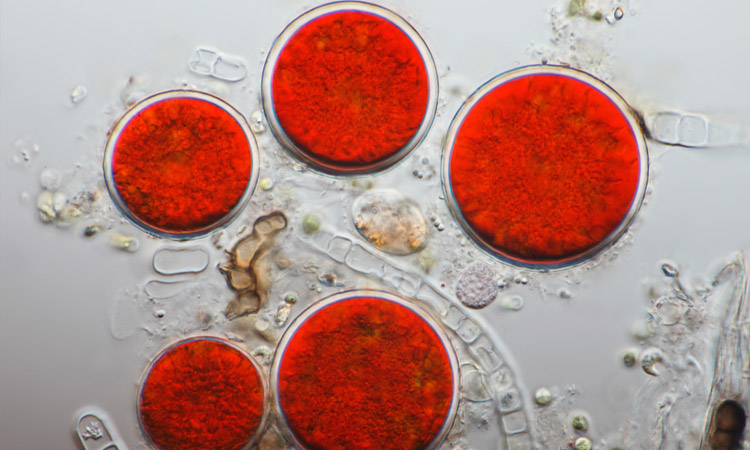
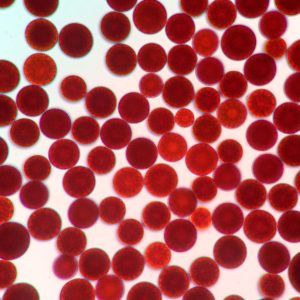
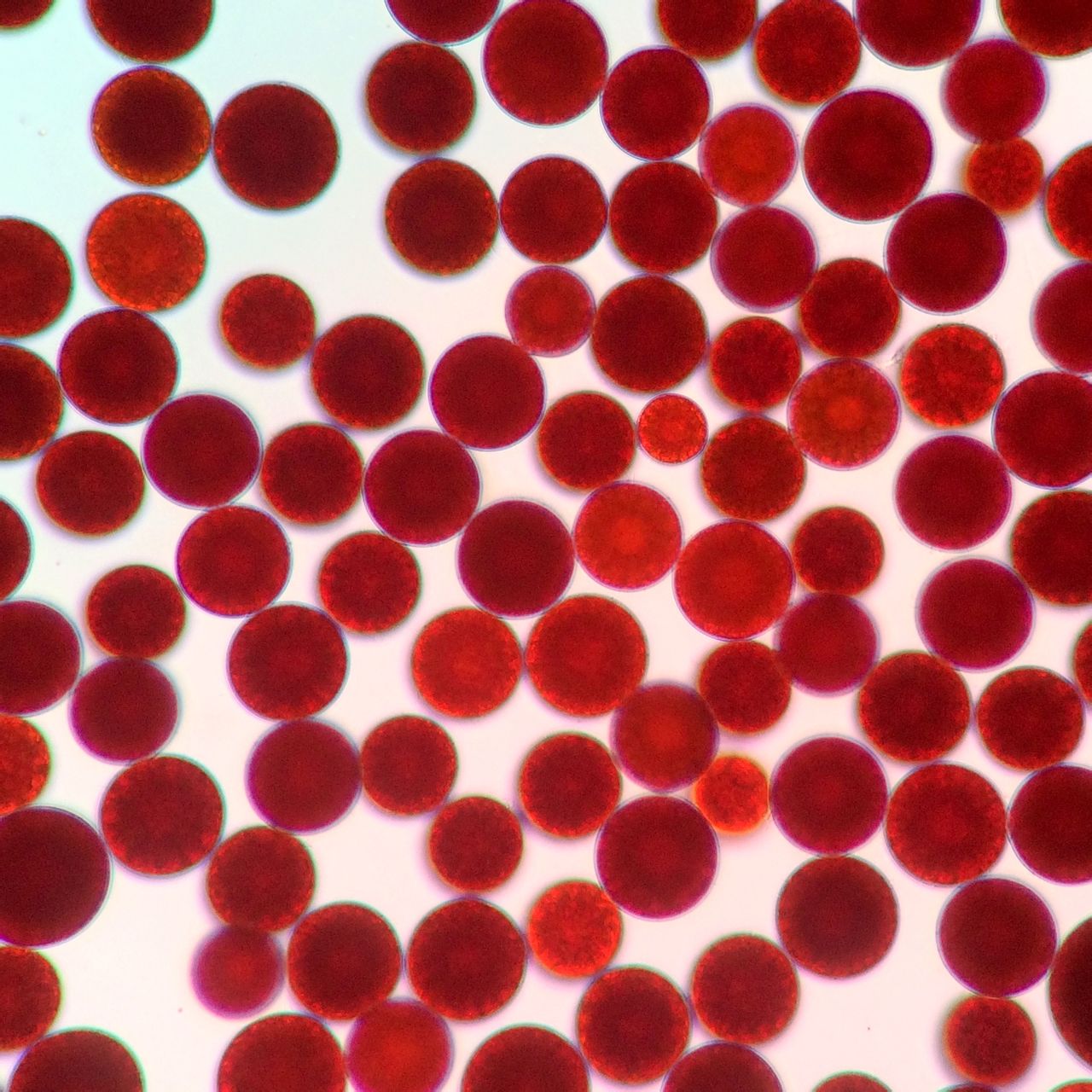
haematococcus pluvialis algae
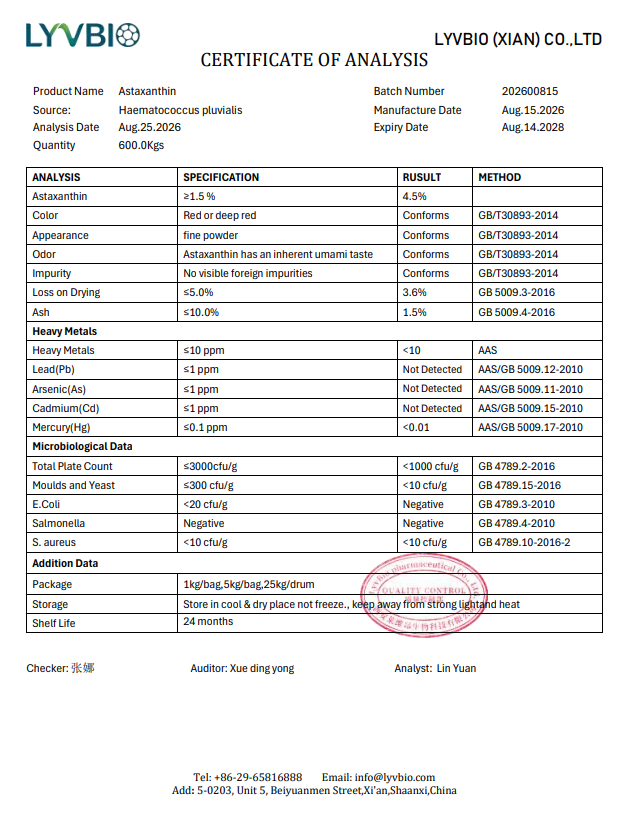
| 매개변수 | 표준 사양 |
|---|---|
| 분석법 (HPLC) | 4%,4% ,5%, 20% (beadlets), 50%, 90% (oleoresin) |
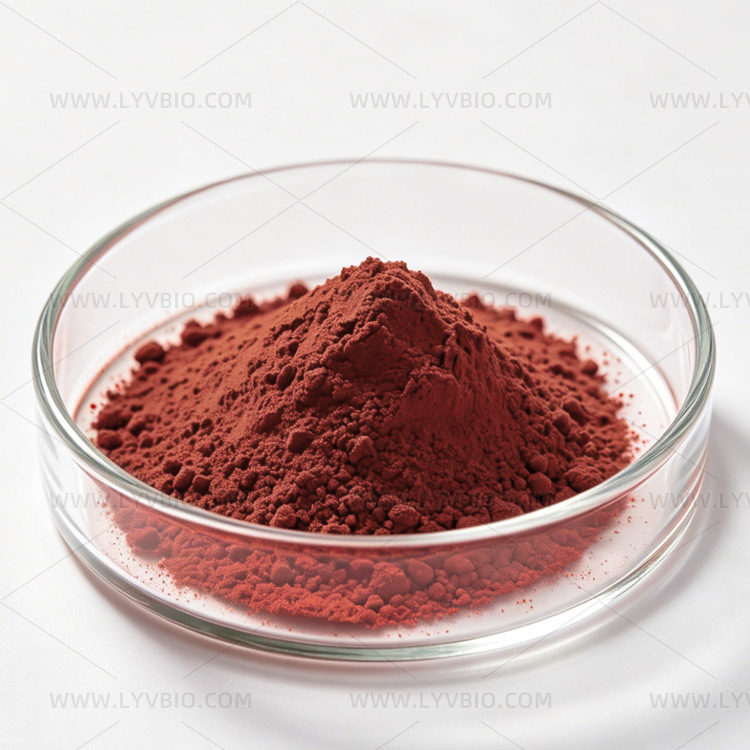
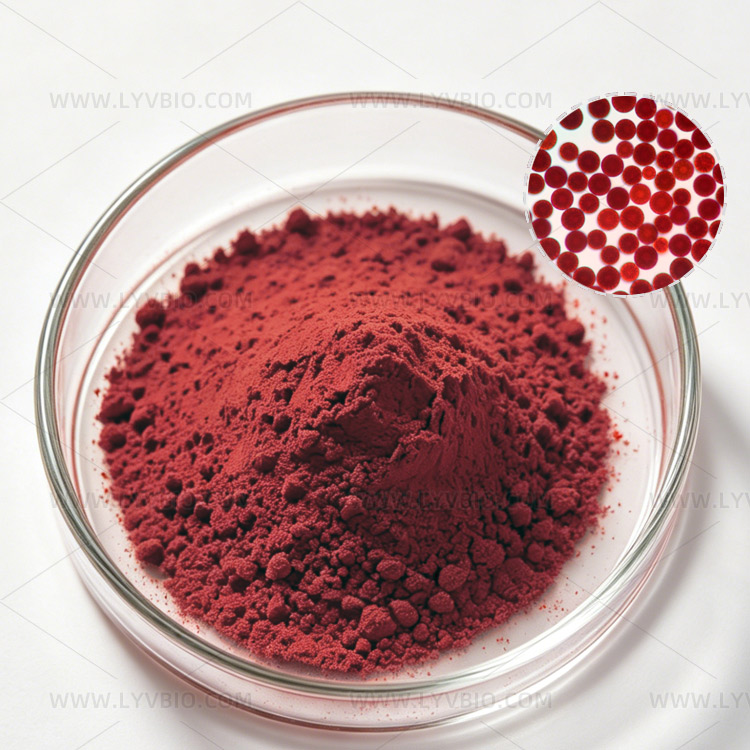
| 외관 | Dark red to purple-red powder/oil |
| 건조 손실 | ≤ 5.0% (powder) |
| 중금속 | Pb ≤ 0.5 ppm; As ≤ 0.5 ppm; Cd ≤ 0.2 ppm; Hg ≤ 0.05 ppm |
| Total Plate Count | ≤ 1,000 cfu/g |
| Yeast & Mold | ≤ 100 cfu/g |
| E. coli | Negative |
| Salmonella | Negative |
| 용매 잔류물 | USP 소개 |
| Pesticides | Meet USP <561> |
| 양식 | Astaxanthin Content | 응용 분야 |
|---|---|---|
| Whole cell powder (cracked) | 1.5–3% | Bulk supplements, animal feed |
| Extracted oleoresin | 5–15% | Softgels, emulsions, cosmetics |
| Beadlets (stabilized) | 2–5% | Tablets, capsules, dry blends |
| Water-dispersible powder | 1–2% | Beverages, liquid formulations |
| Liposomal | 0.5–2% | Premium skincare, high-absorption supplements |
| Synthetic crystalline | 96–98% | Aquaculture feed only |
Aging population – Demand for eye, skin, and joint health
Sports nutrition growth – Recovery and performance positioning
Clean beauty – Natural red/orange pigment alternative to synthetic dyes
Pet humanization – Premium supplements for companion animals
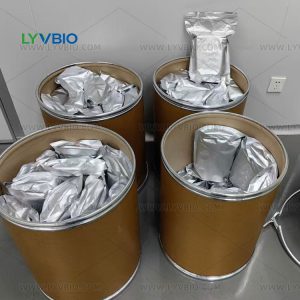
~에서 LyvBio 주식회사. , we provide premium natural astaxanthin with:
Authentic source – 헤마토코쿠스 플루비아리스 cultivated in closed photobioreactors (no contamination)
Sustainable production – Solar-powered facilities; water recycling
Full traceability – From algal strain to final batch
Complete documentation – COA, MSDS, flow chart, stability data, allergen statement
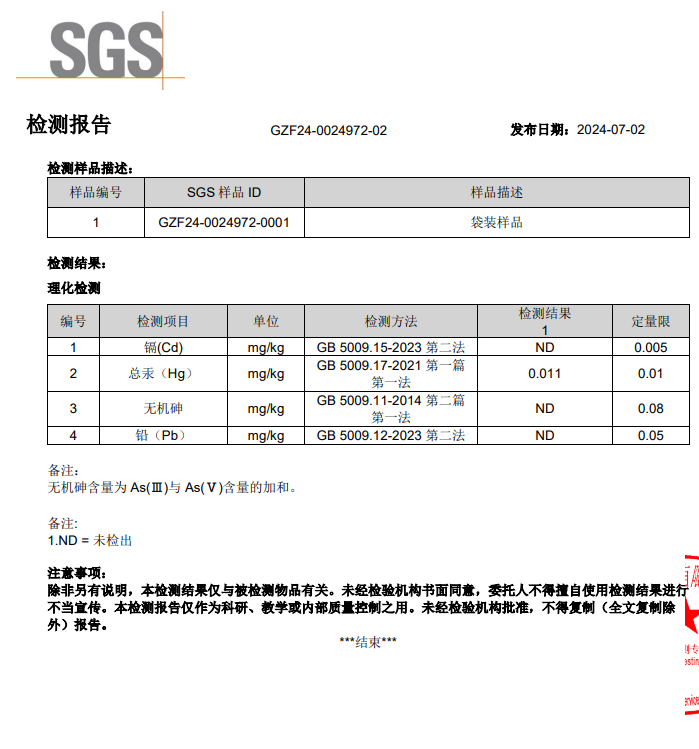
Third-party testing – Heavy metals, pesticides, residual solvents, microbials, potency
유연 포장재 – 1kg, 5kg, 25kg, custom
리드 타임 – Samples: 3–5 days; Bulk orders: 10–15 working days
Technical support – Formulation assistance, regulatory guidance
Q: Natural vs. synthetic astaxanthin – what’s the difference?
A: Natural astaxanthin (from algae) is primarily the 3S,3’S isomer with higher biological activity. Synthetic astaxanthin contains a mixture of isomers (3S,3’S, 3R,3’R, and meso) and is not approved for human consumption in most markets. For human nutrition, always choose natural.
Q: What is the recommended daily dosage for supplements?
A: General wellness: 4–6 mg/day; Eye health: 6–12 mg/day; Sports recovery: 8–12 mg/day; Skin health: 6–8 mg/day. Always consult clinical data for specific formulations.
Q: Is astaxanthin stable in gummy formulations?
A: With proper stabilization (antioxidants, low moisture, opaque packaging), astaxanthin can maintain >90% potency for 18–24 months in gummies.
Q: Do you provide custom blends?
A: Yes. We offer private label and custom blending services for supplement manufacturers.
Q: 최소 주문 수량은 얼마인가요?
A: 100g for sample orders; 1kg for trial production; volume pricing available for 25kg+.
 English English
  Russian
 French
 Korean
 German
 Polish
 Japanese
 Spanish
 Italian
 Vietnamese