

Will PQQ Become the Next “Hyaluronic Acid”?
PQQ (Pyrroloquinoline Quinone) has been quietly gaining attention in the nutraceutical and cosmetic industries. Once confined to research labs, it is now appearing in anti-aging supplements, skincare formulations, and functional foods. The question many industry insiders are asking is simple: could PQQ follow the same trajectory as hyaluronic acid and become the next blockbuster ingredient?
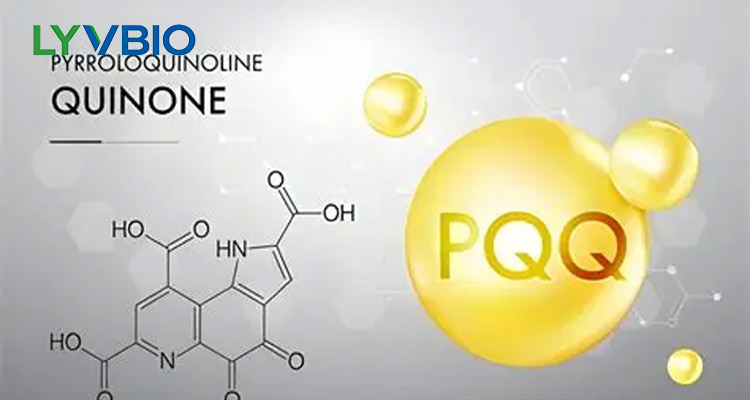
What Is PQQ?
PQQ is a naturally occurring compound found in trace amounts in certain foods, including fermented soy, parsley, green peppers, and kiwi. It is also produced synthetically for commercial use. What makes PQQ stand out is its unique ability to support mitochondrial function — the energy centers of our cells.
Unlike many antioxidants that simply neutralize free radicals, PQQ has been studied for its role in mitochondrial biogenesis, meaning it may help cells generate new mitochondria. This mechanism has drawn interest from researchers in aging, cognitive health, and energy metabolism.
Why the Hyaluronic Acid Comparison?
Hyaluronic acid (HA) was once a niche ingredient used primarily in medical applications. Over time, it became a household name in skincare and joint health, largely because of its moisture-retaining properties and strong scientific backing. Today, HA is a multi-billion-dollar market.
PQQ is now at a similar inflection point. It has:
-
Strong scientific interest — hundreds of studies exploring its role in mitochondrial health, neuroprotection, and antioxidant defense.
-
Versatility — used in both oral supplements and topical skincare.
-
Consumer appeal — positioned around aging, energy, and cognitive performance, three of the fastest-growing health concerns.
If PQQ continues to accumulate clinical evidence and consumer awareness, it could follow a similar path.
Where PQQ Is Already Making Moves
1. Anti-Aging Supplements
PQQ is often combined with CoQ10, NAD+ precursors, and other mitochondrial-support compounds. It is marketed for energy, focus, and healthy aging.
2. Skincare
Topical PQQ is used in anti-aging creams and serums, often alongside peptides and antioxidants. Its stability and skin compatibility make it an attractive option for formulators.
3. Functional Foods and Beverages
Some brands are exploring PQQ in energy drinks, cognitive health shots, and functional powders.
What Stands in the Way?
For PQQ to truly become “the next hyaluronic acid,” a few hurdles remain:
-
Regulatory approval — PQQ is not yet approved as a novel food in all regions, including parts of Europe.
-
費用 — Production costs are still relatively high compared to more established ingredients.
-
Consumer awareness — Most consumers still don’t know what PQQ is or why it matters.
-
Clinical evidence — While promising, larger human trials are still needed to confirm long-term benefits.
These are not insurmountable. Hyaluronic acid faced similar challenges before becoming a mainstream ingredient.
The Verdict
PQQ has the science, the versatility, and the market timing to become a major ingredient. Whether it reaches the same scale as hyaluronic acid depends on regulatory progress, cost reduction, and how well brands communicate its benefits to consumers.
What is clear is that PQQ is no longer a fringe compound. It is moving steadily toward the mainstream — and for suppliers, formulators, and brands, it is an ingredient worth watching
 English
 Russian
 French
 Korean
 German
 Polish
 Japanese
 Spanish
 Italian
 Vietnamese
コメントを残す