
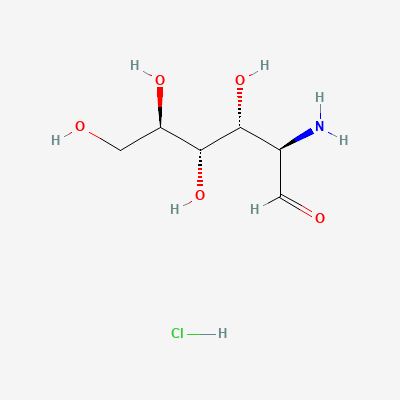
Glucosamine HCl
| Nome del prodotto | Glucosamine HCl |
|---|---|
| Numero CAS | 66-84-2 |
| Aspetto | Polvere cristallina bianca |
| Analisi (HPLC) | 98.0% – 102.0% |
| Perdita per essiccazione | ≤ 0,51 TP3T |
| Residuo di combustione | ≤ 0,11 TP3T |
| Metalli pesanti | ≤ 10 ppm |
| Confezione | 25 kg fiber drum, inner polyethylene bag |
Hai bisogno di aiuto? Contatta il nostro team
Sinonimi: Glucosamine hydrochloride, 2-Amino-2-deoxy-D-glucose hydrochloride, D-Glucosamine HCl, Chitosamine hydrochloride, 2-Amino-2-deoxy-β-D-glucopyranose hydrochloride
Glucosamine HCl (CAS 66-84-2) is the hydrochloride salt of a naturally occurring amino sugar that plays a fundamental role in the structure of glycosaminoglycans and glycoproteins. While it is found in the shells of crustaceans and the cell walls of fungi, commercial material is almost exclusively produced by acid hydrolysis of chitin, followed by purification and conversion to the stable hydrochloride form. The compound has a well-established history in joint health, but its utility extends well beyond that single application.
In the body, glucosamine serves as a key building block for cartilage matrix components such as aggrecan and hyaluronic acid. The hydrochloride form is preferred over the sulfate salt in many formulations because of its higher solubility in water and its neutral taste, which makes it easier to incorporate into tablets, capsules, and functional beverages. Its molecular formula is C6H13NO5·HCl, with a molecular weight of 215.63 g/mol.
From a manufacturing perspective, Glucosamine HCl is typically standardized to 98–102% on a dried basis, with tight control over chloride content, heavy metals, and microbial limits. The global market for this ingredient remains robust, driven by an aging population and growing interest in preventive orthopedics. It is equally at home in nutraceutical joint formulas, veterinary supplements, and as a research reagent in glycobiology.
| Parametro | Specifiche |
|---|---|
| Analisi (HPLC) | 98.0% – 102.0% |
| Identificazione | IR spectrum conforms to reference |
| Perdita per essiccazione | ≤ 0,51 TP3T |
| Residuo di combustione | ≤ 0,11 TP3T |
| Metalli pesanti | ≤ 10 ppm |
| Limiti microbiologici | Conta aerobica totale ≤ 1000 UFC/g; lieviti e muffe ≤ 100 UFC/g; assenza di E. coli |
Room,5-0203, Unit 5, Beiyuanmen Street,Xi'an,Shaanxi,China
 English English
 Russian
 French
 Korean
 German
 Polish
 Japanese
 Spanish
 Italian
 Vietnamese