


| Nom du produit | salidroside |
|---|---|
| Numéro CAS | 10338-51-9 |
| Formule moléculaire | C₁₄H₂₀O₇ |
| Poids moléculaire | 300.30 g/mol |
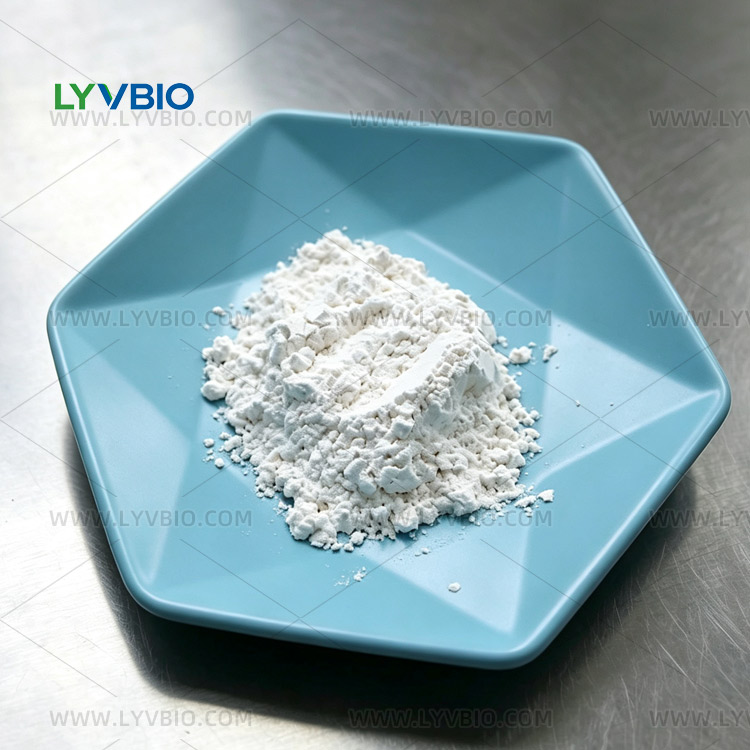
| Apparence | Poudre cristalline blanche à blanc cassé |
| Essai (HPLC) | ≥ 98.0% |
| Solubilité | Slightly soluble in methanol (trace), pyridine (trace) |
| Perte au séchage | ≤ 0,5% |
| Résidu au feu | ≤ 0,11 TP3T |
| Métaux lourds | ≤ 10 ppm |
| Point de fusion | 158 – 160°C |
| Rotation spécifique | -28.0° to -32.0° |
Besoin d'aide ? Contacter notre équipe
Synonymes : Salidroside, Rhodioloside, Rhodosin, (2R,3S,4S,5R,6R)-2-(Hydroxymethyl)-6-[2-(4-hydroxyphenyl)ethoxy]oxane-3,4,5-triol, 4-Hydroxyphenethyl β-D-glucopyranoside, Glucosyltyrosol, Tyrosol Glucoside, p‑Hydroxyphenethyl β‑D‑glucopyranoside—-Extrait de rhodiole rose
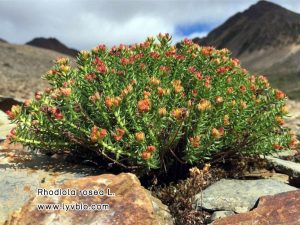
Salidroside, also known as rhodioloside, is a naturally occurring phenylpropanoid glycoside and the primary active marker of Rhodiola rosea (Arctic Root). It is structurally composed of a β‑D‑glucose moiety linked to tyrosol (p‑hydroxyphenethyl alcohol). This compound is one of the key bioactive constituents responsible for Rhodiola’s adaptogenic and pharmacological properties.
Salidroside has been extensively studied for its adaptogenic, neuroprotective, antioxidant, and anti‑fatigue effects. It acts through multiple pathways, including the activation of AMPK and modulation of neurotransmitter systems (serotonin, dopamine, and norepinephrine), contributing to its ability to enhance stress resilience, cognitive function, and physical performance.
As a pure compound, Salidroside is widely used as a reference standard and research reagent in pharmacological studies, as well as a high‑grade ingredient in premium dietary supplements targeting mental and physical vitality.

C14H20O7
Adaptogenic activity: Enhances stress resistance and reduces fatigue.
Neuroprotective support: Protects neurons from oxidative damage and promotes cognitive function.
Activité antioxydante: Scavenges free radicals, upregulates endogenous antioxidant enzymes.
Anti‑fatigue effect: Supports energy metabolism, reduces exercise‑induced exhaustion.
Mood support: Modulates neurotransmitter balance (serotonin, dopamine, norepinephrine).
Cardiovascular protection: Supports vascular health through antioxidant and anti‑inflammatory actions.
Source: Rhodiola rosea L. root and rhizome (extraction and purification) or synthetic production
Normalisation: ≥98.0% salidroside (HPLC)
Formulaires: White to off‑white crystalline powder
Applications: Research, dietary supplements, reference standards, premium formulations
| Paramètre | Spécifications |
|---|---|
| Salidroside Content (HPLC) | ≥ 98.0% |
| Identification | Les résultats IR / MS / RMN sont conformes à la référence |
| Rotation spécifique | -28.0° to -32.0° |
| Point de fusion | 158 – 160°C |
| Perte au séchage | ≤ 0,5% |
| Résidu au feu | ≤ 0,11 TP3T |
| Métaux lourds (exprimés en Pb) | ≤ 10 ppm |
| Arsenic (As) | ≤ 1 ppm |
| Limites microbiologiques | Conforme aux normes USP/EP |
| Solvants résiduels | Conforme aux exigences de l'USP |
Capacité mensuelle: 50+ kg
Délai de livraison: 3 à 5 jours (échantillons), 10 à 15 jours (en vrac)
Documentation: certificat d'analyse, fiche de données de sécurité
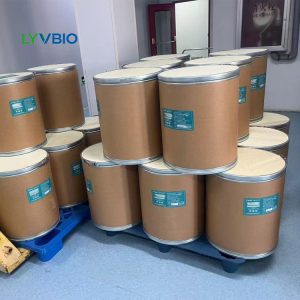
Emballage: 1 kg, 5 kg, 10 kg, 25 kg
280, rue Main, Xi'an, Shaanxi, Chine
LyvBio Co.
Courriel : info@lyvbio.com
 English English
  Russian
 French
 Korean
 German
 Polish
 Japanese
 Spanish
 Italian
 Vietnamese