



| Nom du produit | Magnesium Glycinate |
|---|---|
| Numéro CAS | 14783-68-7 |
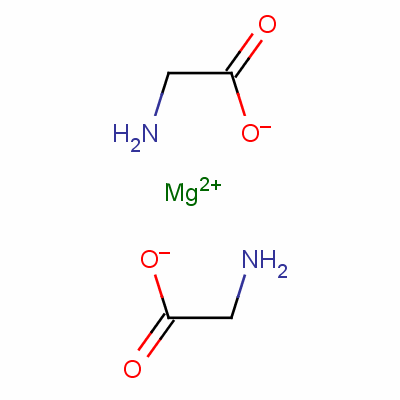
| Formule moléculaire | C₄H₈MgN₂O₄ |
| Poids moléculaire | 172.42 g/mol |
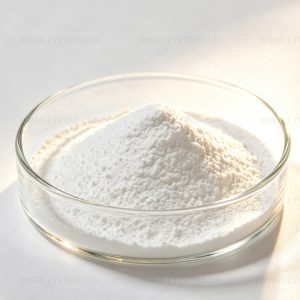
| Apparence | Poudre blanche à blanc cassé |
| Assay (as Mg) | 11% or 20% (per grade) |
| Perte au séchage | ≤ 5,01 TP3T |
| Résidu au feu | ≤ 0,5% |
| Métaux lourds | ≤ 10 ppm |
| Solubilité | Slightly soluble in water; soluble in acidic solutions |
Besoin d'aide ? Contacter notre équipe
Synonymes : Magnesium Glycinate, Magnesium Bisglycinate, Magnesium Diglycinate, Bis(glycinato)magnesium, Magnesium Amino Acid Chelate, Mg(Gly)₂, Magnesium Glycine Chelate
Magnesium Glycinate is a chelated mineral compound formed by the combination of magnesium and two molecules of glycine, the smallest and most easily absorbed amino acid. This chelation structure provides superior bioavailability compared to inorganic magnesium salts such as magnesium oxide or magnesium sulfate, as it protects the magnesium ion from binding with dietary inhibitors in the gastrointestinal tract.
Magnesium is an essential mineral involved in over 300 enzymatic reactions in the human body, including energy production, muscle contraction, nerve function, and bone health. Magnesium Glycinate is the preferred form for supplementation due to its high absorption rate, gentle gastrointestinal tolerance, and minimal laxative effect.
Magnesium Glycinate is widely used in dietary supplements, functional foods, pharmaceutical formulations, and clinical nutrition applications, particularly for stress management, sleep support, and muscle relaxation.
| Physiological Role | Mécanisme |
|---|---|
| Enzyme cofactor | Activates >300 enzymes (ATP synthesis, protein production, DNA repair) |
| Ion channel regulation | Modulates NMDA receptor excitability (neuroprotection) |
| Muscle contraction | Antagonizes calcium at troponin C (relaxation phase) |
| Neurotransmission | GABA-A receptor potentiation (calming effect) |
| Cardiac rhythm | Maintains resting membrane potential (antiarrhythmic) |
Magnesium BisglycinateMF
| Application | Dosage (elemental Mg) | Données cliniques |
|---|---|---|
| Insomnia (onset/maintenance) | 200–400 mg | Reduces cortisol; improves sleep efficiency and duration |
| Restless leg syndrome | 300–400 mg | Reduces nighttime muscle contractions |
| Age-related sleep decline | 300–500 mg | Restores age-depleted magnesium levels |
Synergistic formulations:
Magnesium glycinate + melatonin + L-theanine (fall asleep faster)
Magnesium glycinate + apigenin + GABA (stay asleep longer)
Magnesium glycinate + glycine (3–5g) + taurine (complete sleep stack)
| Condition | Dosage | Mécanisme |
|---|---|---|
| Generalized anxiety | 200–400 mg | GABA potentiation; NMDA antagonism |
| Panic attacks | 300–500 mg | Reduces sympathetic nervous system overactivity |
| Premenstrual syndrome (PMS) | 200–300 mg | Reduces mood swings, irritability, fluid retention |
| Mild depression (as adjunct) | 300–500 mg | Modulates HPA axis; reduces neuroinflammation |
Differentiation opportunity: Magnesium glycinate is the preferred form for mental wellness products due to glycine’s additional calming effect—oxide and citrate lack this property.
Source: Magnesium oxide or carbonate + Glycine (chelation synthesis)
Normalisation: 11% or 20% elemental magnesium (as Mg)
| Niveau | Teneur en magnésium | Apparence | Utilisation type |
|---|---|---|---|
| 11% | ≥ 11.0% elemental Mg | Poudre blanche à blanc cassé | Standard supplements, cost‑effective |
| 20% | ≥ 20.0% elemental Mg | Poudre blanche à blanc cassé | High‑potency supplements, premium formulations |
| Complexe | No CAS. | Relation |
|---|---|---|
| Magnesium Glycinate | 14783-68-7 | Composé d'origine |
| Glycine | 56-40-6 | Amino acid ligand |
| Magnesium Oxide | 1309-48-4 | Inorganic magnesium salt |
| Magnesium Citrate | 144-23-0 | Magnesium salt (citric acid) |
| Taurate de magnésium | 334824-43-0 | Magnesium salt of taurine |
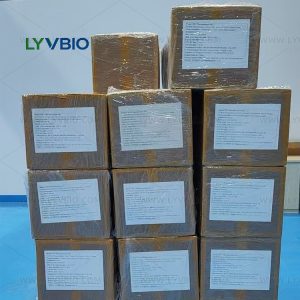
25 kg net fiber drums with double PE liners (industry bulk standard)
1–5 kg aluminum foil bags (sample/trial quantities)
Custom retail packaging (private label jars, pouches, stick packs)
Ready to formulate with the most bioavailable magnesium on the market?
280, rue Main, Xi'an, Shaanxi, Chine
LyvBio Co.
Courriel : info@lyvbio.com
Request your sample today. Experience the LyvBio difference.
 English English
  Russian
 French
 Korean
 German
 Polish
 Japanese
 Spanish
 Italian
 Vietnamese