
Palmitoylethanolamide (PEA)
| Nom du produit | Palmitoylethanolamide (PEA) |
|---|---|
| Numéro CAS | 544-31-0 |
| Autres noms | N-(2-Hydroxyethyl)hexadecanamide, PEA, Palmidrol |
| Formule moléculaire | C18H37NO2 |
| Poids moléculaire | 299.49 g/mol |
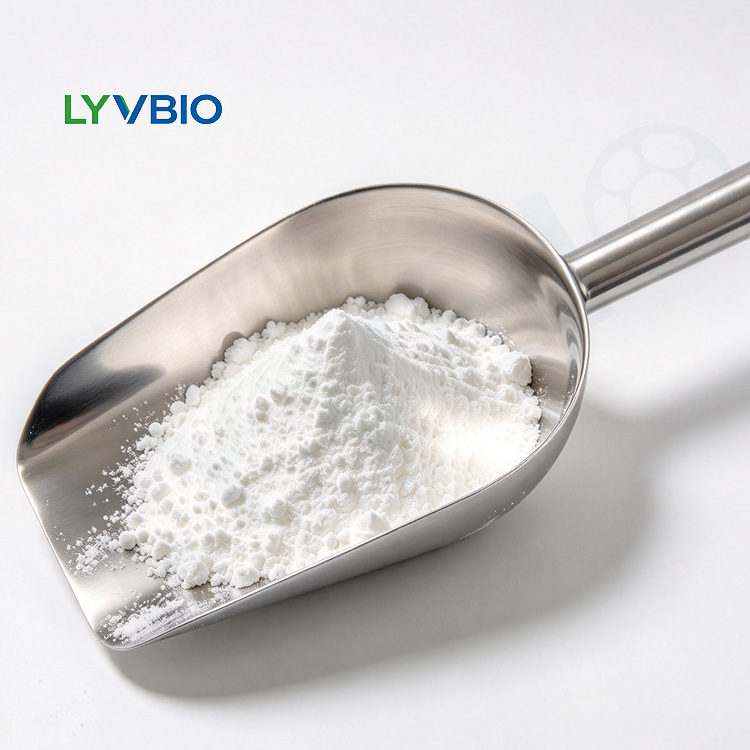
| Apparence | Poudre cristalline blanche à blanc cassé |
| Essai (HPLC) | ≥98,01 TP3T |
| Point de fusion | 98-102°C |
| Solubilité | Soluble in ethanol, DMSO, dimethylformamide; practically insoluble in water |
| Perte au séchage | ≤ 0,51 TP3T |
| Métaux lourds | ≤ 10 ppm |
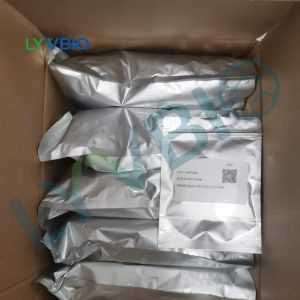
| Colis | Fût en fibre de 25 kg avec double revêtement en polyéthylène |
Besoin d'aide ? Contacter notre équipe
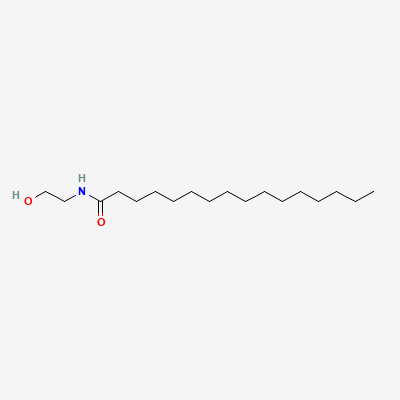
Synonymes : Palmitoylethanolamide, PEA, N-(2-Hydroxyethyl)hexadecanamide, Palmidrol, N-Hexadecanoylethanolamine, Hydroxyethylpalmitamide, Impulsin
Palmitoylethanolamide (PEA) is a naturally occurring fatty acid amide belonging to the class of nuclear factor agonists. It is synthesized endogenously in humans and animals, and is also found in various plant sources such as egg yolk, peanuts, and soybeans. For commercial and research applications, PEA is typically produced through chemical synthesis or enzymatic routes, yielding a high-purity white crystalline powder. Our PEA is manufactured under strict quality control and is available with a minimum assay of 98% as determined by HPLC.
As a specialized supplier, LyvBio provides PEA in bulk quantities to pharmaceutical, nutraceutical, and research organizations worldwide. Its unique mechanism of action, involving the modulation of peroxisome proliferator-activated receptor alpha (PPAR-α) and cannabinoid-like receptors, has attracted significant interest for its potential in managing neuropathic pain, inflammation, and related conditions. This product is intended for further processing or research purposes only, not for direct human consumption.
| Paramètre | Spécifications |
|---|---|
| Essai (HPLC) | ≥98,01 TP3T |
| Apparence | Poudre cristalline blanche à blanc cassé |
| Identification | IR and NMR spectra conform to structure |
| Perte au séchage | ≤ 0,51 TP3T |
| Métaux lourds | ≤ 10 ppm |
| Solvants résiduels | Meets USP requirements |
Room,5-0203, Unit 5, Beiyuanmen Street,Xi'an,Shaanxi,China
 English English
 Russian
 French
 Korean
 German
 Polish
 Japanese
 Spanish
 Italian
 Vietnamese