
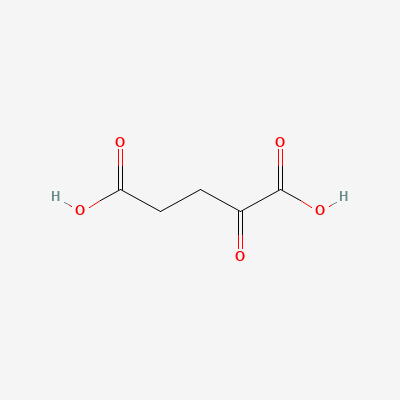
Alpha-Ketoglutaric Acid (AKG)
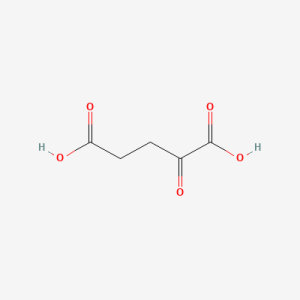
| Nombre del producto | Alpha-Ketoglutaric Acid (AKG) |
|---|---|
| Número CAS | 328-50-7 |
| Otros nombres | 2-Ketoglutaric acid; 2-Oxoglutaric acid; α-Ketoglutarate |
| Fórmula molecular | C5H6O5 |
| Peso molecular | 146.10 g/mol |
| Apariencia | Polvo cristalino de color blanco a blanquecino |
| Ensayo (HPLC) | ≥98,01 TP3T |
| Pérdida por secado | ≤0,51 TP3T |
| Residuo tras la combustión | ≤0,11 TP3T |
| Metales pesados | ≤10 ppm |
| Solubilidad | Soluble in water, ethanol; slightly soluble in ether |
| Tamaño de las partículas | 80 mesh (customizable) |
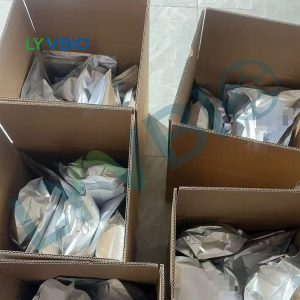
| Paquete | 25 kg net weight in fiber drums with double polyethylene liners |
¿Necesitas ayuda? Póngase en contacto con nuestro equipo
Sinónimos: 2-Ketoglutaric acid, 2-Oxoglutaric acid, α-Ketoglutarate, 2-Oxopentanedioic acid, AKG
Alpha-ketoglutaric acid (AKG) has moved from a niche biochemical to a mainstream ingredient in sports nutrition, healthy aging, and cell culture media. Its popularity stems from a convergence of trends: the ketone and amino acid precursor boom, the search for effective anti-aging compounds, and the growing demand for high-purity cell culture reagents. As a key intermediate in the Krebs cycle, AKG sits at the crossroads of energy metabolism and nitrogen transport, making it a versatile building block for formulators.
Chemically, AKG is a dicarboxylic acid with a ketone group at the alpha position. It occurs naturally in the human body and in many foods, but for commercial use it is produced via fermentation or chemical synthesis. The fermentation route, using Bacillus or Corynebacterium strains, yields a nature-identical product that appeals to clean-label brands. Our AKG is manufactured under cGMP conditions and tested to strict specifications to ensure consistent performance in sensitive applications.
We offer AKG in several grades: standard ≥98% for supplements and food, and ultra-pure ≥99.5% for cell culture and pharmaceutical research. Each batch is accompanied by a full analytical profile, including HPLC assay, heavy metals, and microbial limits. With a global network of distributors and a reputation for reliable supply, we serve customers ranging from start-ups to multinational corporations.
AKG is a white, crystalline powder that is highly soluble in water. Its molecular formula is C5H6O5, and it has a molecular weight of 146.10 g/mol. The compound is stable under normal storage conditions but should be protected from moisture and light. It is typically assayed by HPLC, and our standard grade meets a minimum purity of 98.0%.
In the body, AKG is involved in the citric acid cycle, where it is converted to succinyl-CoA, and in transamination reactions that produce glutamate. This central role explains its use in sports nutrition for ammonia scavenging and in medical foods for patients with metabolic disorders. It is also a component of parenteral nutrition solutions.
| Parámetro | Especificaciones |
|---|---|
| Ensayo (HPLC) | ≥98,01 TP3T |
| Pérdida por secado | ≤0,51 TP3T |
| Residuo tras la combustión | ≤0,11 TP3T |
| Metales pesados | ≤10 ppm |
| Límites microbianos | Total plate count ≤1000 CFU/g; Yeast & Mold ≤100 CFU/g; E. coli absent |
| Almacenamiento | Store in a cool, dry place, away from direct sunlight |
Room,5-0203, Unit 5, Beiyuanmen Street,Xi'an,Shaanxi,China
 English English
 Russian
 French
 Korean
 German
 Polish
 Japanese
 Spanish
 Italian
 Vietnamese