
| Nombre del producto | Fosfatidilserina |
|---|---|
| Número CAS | 51446-62-9 |
| Fórmula molecular | C₄₂H₈₂NO₁₀P (valor medio, en función de la composición de ácidos grasos) |
| Peso molecular | ~790 g/mol (media) |
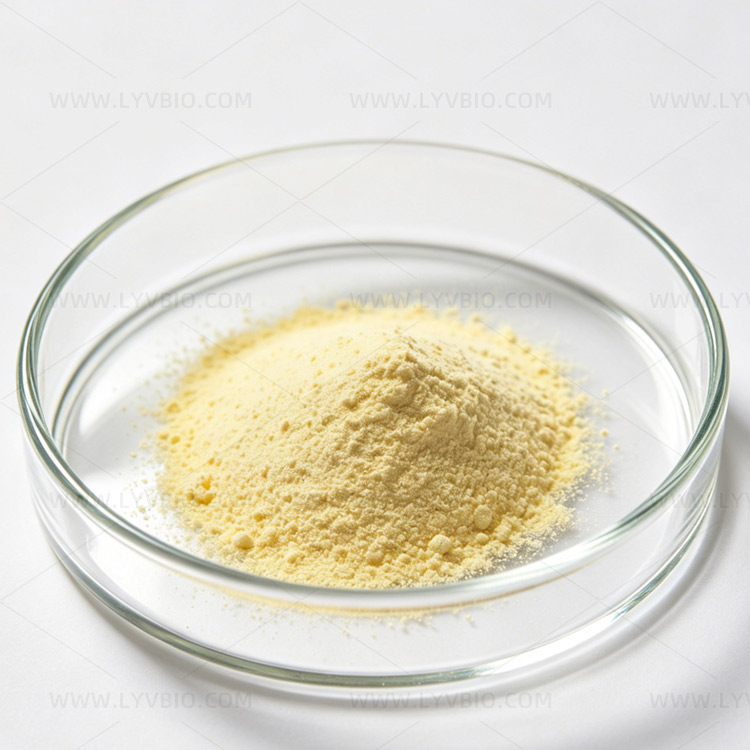
| Apariencia | Polvo de color amarillo claro a blanquecino |
| Ensayo (HPLC) | ≥ 50,01 TP3T (contenido de PS) |
| Pérdida por secado | ≤ 3,01 TP3T |
¿Necesitas ayuda? Póngase en contacto con nuestro equipo
La fosfatidilserina (PS) es un fosfolípido de origen natural que actúa como componente estructural fundamental de las membranas celulares y se encuentra especialmente concentrado en los tejidos neuronales.
Es un glicerofosfolípido formado por una cadena principal de glicerol esterificada con dos ácidos grasos y un grupo de cabeza de fosfoserina.
En los mamíferos, la PS se sintetiza a partir de la fosfatidiletanolamina o la fosfatidilcolina mediante reacciones de intercambio de bases.
La PS desempeña un papel esencial en la fluidez de la membrana, la transducción de señales y la comunicación celular. Es especialmente abundante en la corteza cerebral y el hipocampo, donde favorece la liberación de neurotransmisores, la plasticidad sináptica y la integridad de la membrana neuronal. Su papel en la señalización celular incluye la activación de la proteína quinasa C (PKC) y la regulación de los canales iónicos.
La suplementación con fosfatidilserina ha sido objeto de numerosos estudios por sus efectos sobre la función cognitiva, la respuesta al estrés y el deterioro cognitivo relacionado con la edad. Se considera un ingrediente nootrópico bien consolidado, respaldado por un amplio conjunto de investigaciones clínicas.
Sinónimo:
Extracto de fosfatidilserina en polvo (PE) 20%, 50% y 70%.
L-ALFA-FOSFATIDILSERINAS, CEREBRALES; 1,2-distearoilfosfatidilserina; FOSFATIDILCOLINA (SOJA) (RG)
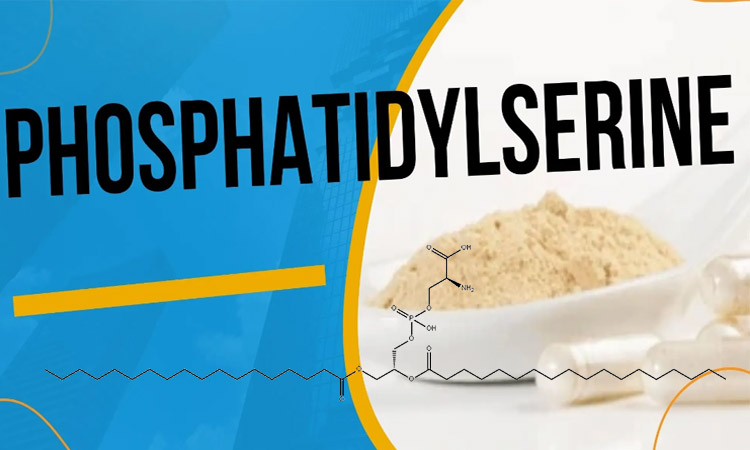
Fosfatidilserina CAS: 51446-62-9
Estructura de membrana: Componente esencial de las membranas celulares neuronales, que mantiene su fluidez e integridad.
Apoyo a los neurotransmisores: Facilita la liberación de acetilcolina, dopamina y norepinefrina.
Transducción de señales: Actúa como cofactor de la PKC y otras enzimas asociadas a la membrana.
Modulación del estrés: Regula el eje hipotálamo-hipófisis-suprarrenal (HPA), reduciendo la respuesta del cortisol.
Plasticidad sináptica: Favorece la remodelación sináptica y la consolidación de la memoria.
| Compuesto | N.º CAS. | Relación |
|---|---|---|
| Fosfatidilserina | 51446-62-9 | Fosfolípido activo |
| Fosfatidilcolina | 8002-43-5 | Análogo estructural, precursor |
| Fosfatidiletanolamina | 90989-93-8 | Análogo estructural, precursor |
| Ácido fosfatídico | 26566-60-9 | Precursor biosintético |
| Parámetro | Especificaciones |
|---|---|
| Contenido de PS (HPLC) | ≥ 50,01 TP3T (calidad estándar); ≥ 70,01 TP3T (alta calidad) |
| Insolubles en acetona | ≥ 95,01 TP3T |
| Pérdida por secado | ≤ 3,01 TP3T |
| Residuo tras la combustión | ≤ 5,01 TP3T |
| Metales pesados (expresados en Pb) | ≤ 10 ppm |
| Arsénico (As) | ≤ 1 ppm |
| Límites microbianos | Cumple con las normas USP/EP |
| Residuos de disolventes | Cumple con los requisitos de la USP |
Capacidad mensual: más de 1.000 kg
Plazo de entrega: 3-5 días (muestras), 10-15 días (a granel)
Documentación: Certificado de análisis (COA), ficha de datos de seguridad (MSDS), ficha técnica del producto (TDS), cromatograma de HPLC, datos de estabilidad (bajo petición)
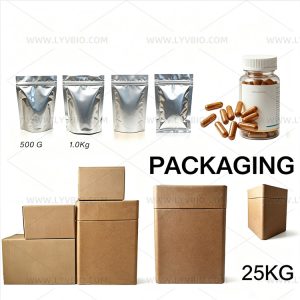
Embalaje: 1 kg, 5 kg, 10 kg, 25 kg (en polvo); se ofrecen envases a medida
Calle Main, 280, Xi'an, Shaanxi, China
LyvBio S.L.
Correo electrónico: info@lyvbio.com
Página web: https://www.lyvbio.com
 English English
  Russian
 French
 Korean
 German
 Polish
 Japanese
 Spanish
 Italian
 Vietnamese