


| Product Name | Hydrangea serrata Extract |
|---|---|
| CAS Number | N/A (botanical extract) |
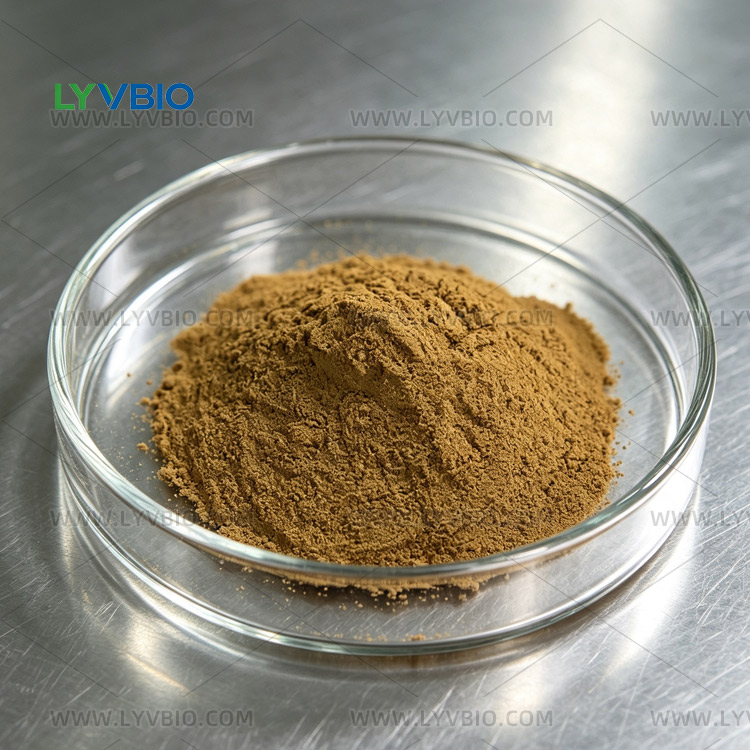
| Appearance | Light brown to brown fine powder |
| Active Components | Phyllodulcin, hydrangenol, thunberginol, polyphenols, flavonoids |
| Assay (HPLC / UV-Vis) | Phyllodulcin: ≥0.3% – 1%;
20:1 |
| Loss on Drying | ≤ 5.0% |
| Residue on Ignition | ≤ 8.0% |
| Heavy Metals | ≤ 10 ppm |
| Particle Size | 100% through 80 mesh |
Need help? Contact our team
Synonyms: Hydrangea serrata Extract, Hydrangea Leaf Extract, Sweet Hydrangea Extract, Phyllodulcin, Hydrangea serrata Leaf Extract, Amacha Extract, Hydrangea Tea
Hydrangea serrata Extract is a standardized botanical concentrate derived from the leaves of Hydrangea serrata, a deciduous shrub native to East Asia.
It is commonly known as Amacha (甘茶, “sweet tea”) in Japan, where the leaves have been used for centuries to produce a sweet, non‑caloric tea traditionally consumed during the Kanbutsu‑e (Buddha’s birthday) ceremony.
Beyond its sweetening properties, Hydrangea serrata extract is rich in polyphenols and other bioactive compounds with antioxidant, anti‑inflammatory, and oral health benefits.
It is widely used in the food and beverage industry as a natural sweetener, and in cosmetic and nutraceutical applications for its protective effects on skin and gum health.
Source: Dried leaves of Hydrangea serrata
Extraction: Water or hydroalcoholic extraction, followed by concentration and drying
Extract Ratio: 10:1 – 20:1 (from dried leaf to extract)
Monthly capacity: 500+ kg
Lead time: 3–5 days (samples), 10–15 days (bulk)
Documentation: COA, stability data (upon request)
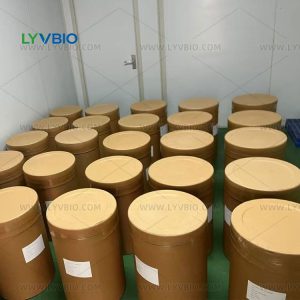
Packaging:10 kg, 25 kg
 English English
  Russian
 French
 Korean
 German
 Polish
 Japanese
 Spanish
 Italian
 Vietnamese