
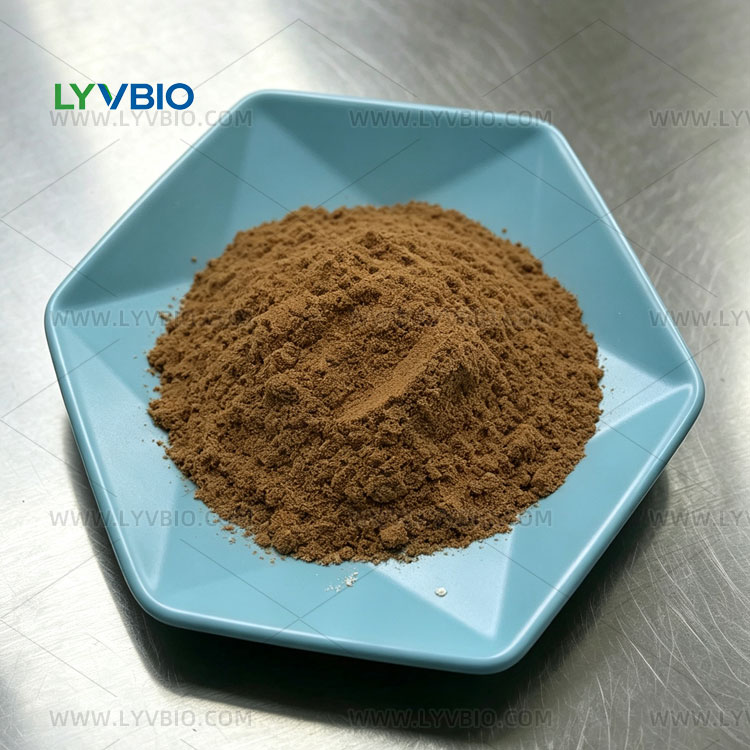
| Product Name | Sennosides |
|---|---|
| Other Names | Senna Extract, Senna Glycosides, Sennoside A & B |
| CAS Number | 517-43-1 |
| Botanical Name | Cassia angustifolia (Senna) |
| Appearance | Brown to dark brown fine powder |
| Active Component | Sennosides (calculated as Sennoside B) |
| Assay | 20% (HPLC) |
| Loss on Drying | ≤5.0% |
| Heavy Metals | ≤10 ppm |
| Specification | 20% |
Need help? Contact our team
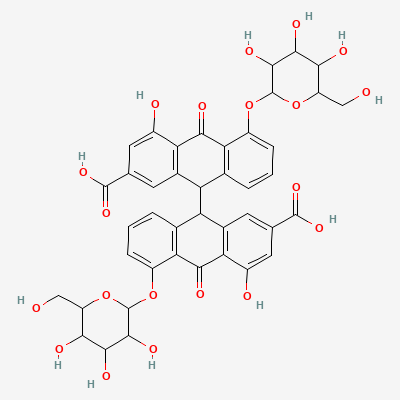
Synonyms: Senna Extract, Senna Glycosides, Sennoside A & B, Cassia angustifolia Extract, Tinnevelly Senna, Alexandrian Senna
Sennosides are the primary active constituents of senna, a plant long used as a stimulant laxative in traditional medicine systems across the Middle East, Europe, and Asia. The botanical source is typically Cassia angustifolia (also known as Senna alexandrina), a small shrub native to North Africa and the Middle East, though it is now cultivated widely in India and China. Our product is a standardized extract of senna pods, containing a minimum of 20% sennosides (calculated as sennoside B by HPLC).
The key bioactive compounds are sennosides A and B, which are dianthrone glycosides. In the colon, these compounds are hydrolyzed by gut bacteria into rhein anthrone, which stimulates peristalsis and inhibits water reabsorption, producing a laxative effect. This mechanism makes sennosides a reliable and well-studied option for treating occasional constipation, and they are widely used in over-the-counter laxative preparations and in clinical settings for bowel preparation before procedures.
Our sennosides are derived from the dried pods of Cassia angustifolia, extracted with a hydroalcoholic solvent, concentrated, and spray-dried to a fine powder. The product is standardized to 20% sennosides by HPLC, ensuring consistent potency and predictable performance. It is suitable for use in dietary supplements, pharmaceutical formulations, and research applications requiring a standardized senna extract.
| Parameter | Specification |
|---|---|
| Assay (Sennosides as Sennoside B) | ≥20.0% (HPLC) |
| Identification | Positive by TLC |
| Loss on Drying | ≤5.0% |
| Residue on Ignition | ≤10.0% |
| Heavy Metals | ≤10 ppm |
| Microbial Limits | Total plate count ≤1000 CFU/g,
Yeast & Mold ≤100 CFU/g |
Room,5-0203, Courtyard 205, Lianhu District,Xi'an,Shaanxi,China
 English English
  Russian
 French
 Korean
 German
 Polish
 Japanese
 Spanish
 Italian
 Vietnamese