
Peppermint Oil
| Product Name | Peppermint Oil |
|---|---|
| CAS Number | 8006-90-4 |
| Botanical Name | Mentha × piperita |
| Appearance | Colorless to pale yellow liquid |
| Odor | Characteristic strong minty odor |
| Active Components | Menthol, Menthone, Menthyl acetate, 1,8-Cineole |
| Assay (GC) | ≥ 99.0% total volatiles |
| Refractive Index (20°C) | 1.459 – 1.465 |
| Specific Gravity (25°C) | 0.896 – 0.908 |
| Optical Rotation (20°C) | -10° to -30° |
| Solubility | Soluble in ethanol, ether, chloroform; slightly soluble in water |
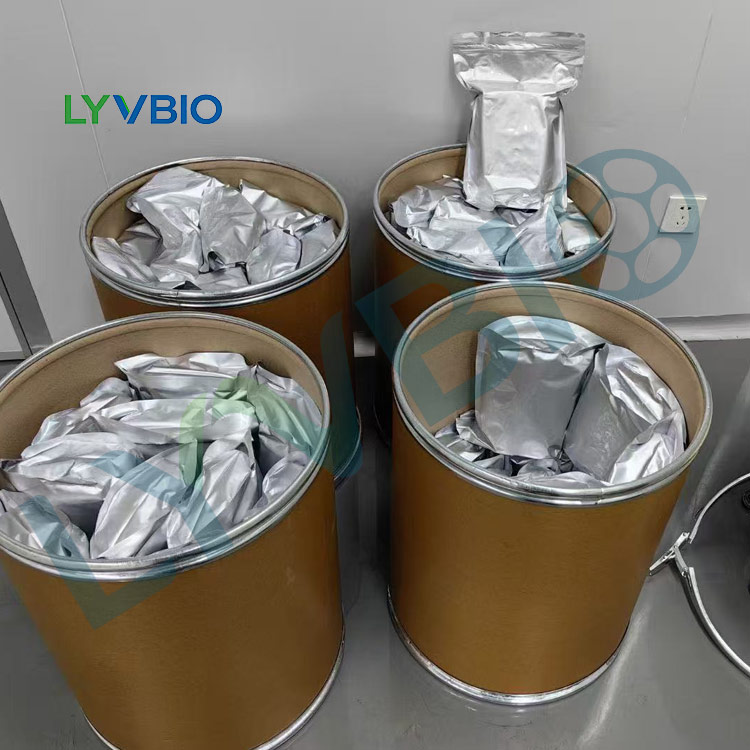
| Packaging | 25 kg, 180 kg HDPE drums |
Need help? Contact our team
Synonyms: Mentha piperita oil, Peppermint essential oil, Oil of peppermint, Mentha oil, Mitcham peppermint oil, Cornmint oil
Peppermint oil is a volatile essential oil obtained by steam distillation of the fresh or partially dried aerial parts of Mentha × piperita. Its chemical profile is dominated by monoterpenoids, chiefly menthol and menthone, which together account for 70–90% of the oil. These cyclic monoterpenes interact with transient receptor potential (TRP) channels, particularly TRPM8, to produce a cooling sensation and modulate sensory nerve activity. The oil also contains minor but impactful constituents such as menthyl acetate, 1,8-cineole, and limonene, which contribute to its characteristic aroma and biological effects.
Commercial peppermint oil is available in several grades, including food-grade, pharmaceutical-grade (USP/EP), and cosmetic-grade. The oil is typically standardized to a specific menthol content (e.g., 35–45% menthol) to ensure consistent sensory and functional performance. It is a staple in the flavor, fragrance, and pharmaceutical industries, valued for its refreshing taste and therapeutic properties. In recent years, its use in functional foods, oral care, and topical analgesics has expanded, driven by consumer demand for natural ingredients.
From a research perspective, peppermint oil has demonstrated antispasmodic, antimicrobial, and anti-inflammatory activities in vitro and in vivo. Its ability to relax smooth muscle makes it a subject of interest for gastrointestinal applications, while its antimicrobial action supports its use in preservation and hygiene products. As a well-characterized natural product, peppermint oil continues to be a focus of formulation studies aiming to enhance its stability, bioavailability, and delivery.
Peppermint oil is a complex mixture of terpenes and terpenoids, with menthol (C10H20O) as the primary alcohol and menthone (C10H18O) as the corresponding ketone. Menthol exists as several stereoisomers, with (-)-menthol being the most abundant and biologically active. The oil is lipophilic, with a logP of approximately 3.4 for menthol, facilitating penetration through lipid membranes. Its volatility and characteristic odor are due to the high vapor pressure of these monoterpenes. The oil is susceptible to oxidation, particularly when exposed to light and air, leading to changes in color and odor.
| Parameter | Specification |
|---|---|
| Appearance | Colorless to pale yellow liquid |
| Odor | Characteristic strong minty odor |
| Refractive Index (20°C) | 1.459 – 1.465 |
| Specific Gravity (25°C) | 0.896 – 0.908 |
| Optical Rotation (20°C) | -10° to -30° |
| Menthol Content (GC) | 35.0% – 45.0% |
| Heavy Metals | ≤ 10 ppm |
Room,5-0203, Unit 5, Beiyuanmen Street,Xi'an,Shaanxi,China
 English English
 Russian
 French
 Korean
 German
 Polish
 Japanese
 Spanish
 Italian
 Vietnamese