
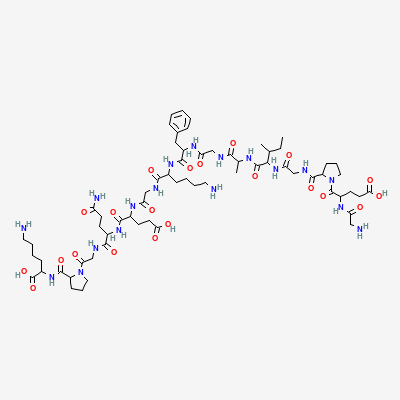
Collagen Peptides
| Product Name | Collagen Peptides |
|---|---|
| CAS Number | 9064-67-9 |
| Appearance | White to off-white powder |
| Specifications | ≥90% protein (Kjeldahl), ≤5% moisture |
| Molecular Weight | 2–10 kDa (typical peptide distribution) |
| Solubility | Soluble in water |
| Package | 25 kg net weight in fiber drums with PE liner |
Need help? Contact our team
Synonyms: Hydrolyzed Collagen, Collagen Hydrolysate, Gelatin Hydrolysate, Peptide Collagen, Collagen Polypeptide, Low Molecular Weight Collagen.
Collagen peptides are short-chain polypeptides derived from native collagen through controlled enzymatic hydrolysis. The hydrolysis process cleaves the triple-helical structure of collagen, yielding low-molecular-weight peptides (typically 2–10 kDa) that are readily soluble in water and easily absorbed. The predominant amino acid sequence repeats Gly-X-Y, where X is often proline and Y is hydroxyproline, which is characteristic of collagen’s unique structure. This composition contributes to the functional properties of collagen peptides in various applications.
Collagen peptides are produced from animal sources such as bovine hide, porcine skin, and fish scales. The raw materials undergo purification, enzymatic hydrolysis, and spray-drying to yield a consistent, high-purity powder. The product is standardized to a minimum protein content (e.g., ≥90% on a dry basis) and controlled molecular weight distribution to ensure optimal bioavailability. Different grades are available to meet specific requirements for food, pharmaceutical, and cosmetic applications.
In the B2B sector, collagen peptides are widely used as functional ingredients in nutraceuticals, clinical nutrition, and personal care products. They are valued for their role in supporting skin health, joint function, and bone strength. With growing consumer demand for anti-aging and wellness products, collagen peptides have become a key component in the development of innovative formulations.
Collagen peptides consist of a mixture of low-molecular-weight peptides, primarily composed of glycine, proline, and hydroxyproline. The hydrolysis of native collagen disrupts the triple-helical structure, resulting in water-soluble peptides with improved absorption. The molecular weight distribution typically ranges from 2 to 10 kDa, which is critical for efficient intestinal uptake. The product is stable under normal storage conditions and exhibits good solubility across a wide pH range.
| Parameter | Specification |
|---|---|
| Protein Content (Kjeldahl) | ≥90% |
| Moisture | ≤5% |
| Ash | ≤2% |
| Heavy Metals | ≤10 ppm |
| Molecular Weight | 2–10 kDa |
| Microbiological | Total plate count ≤1000 cfu/g; E. coli absent |
Room,5-0203, Unit 5, Beiyuanmen Street,Xi'an,Shaanxi,China
 English English
 Russian
 French
 Korean
 German
 Polish
 Japanese
 Spanish
 Italian
 Vietnamese