
Chinaberry Extract
| Parameter | Specification |
|---|---|
| Product Name | Chinaberry Extract |
| CAS Number | 28834-52-0 |
| Botanical Name | Melia azedarach L. |
| Active Component | Azadirachtin A + B |
| Assay (HPLC) | ≥ 98% Azadirachtin |
| Appearance | Light yellow to off-white fine powder |
| Solubility | Soluble in ethanol, methanol, acetone; slightly soluble in water |
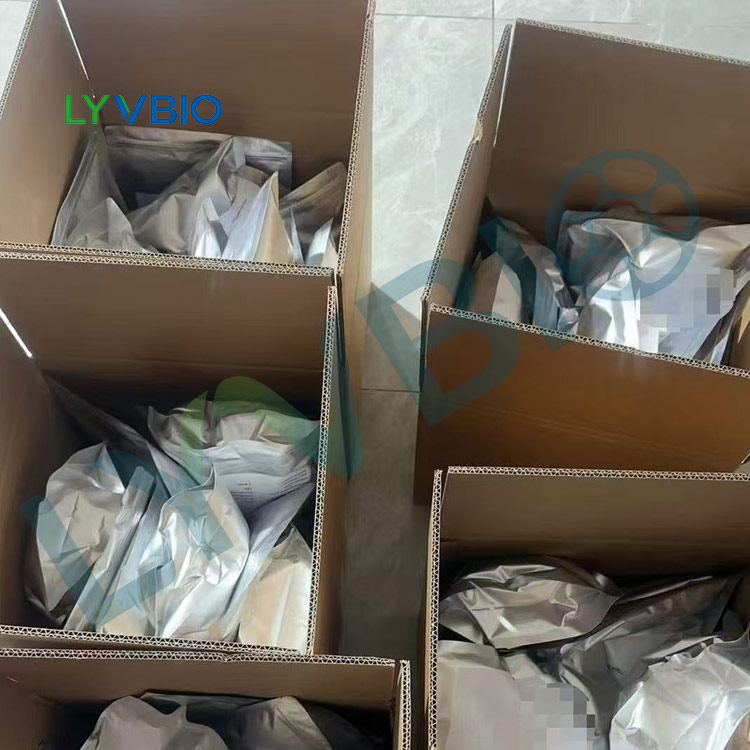
| Package | 25 kg fiber drum with double PE liner |
Need help? Contact our team
Synonyms: Melia azedarach Extract, Chinaberry Tree Extract, Persian Lilac Extract, Bead Tree Extract, Azadirachtin, Melia azadirachta Extract, Neem-like Extract
In the past few years, chinaberry extract has moved from a niche botanical to a mainstream input in the biopesticide and pharmaceutical intermediate sectors. Regulatory pressure on synthetic pesticides in the EU and North America has pushed formulators to look for plant-derived azadirachtin sources beyond the well-known neem tree, and Melia azedarach offers a viable, cost-effective alternative. Meanwhile, researchers exploring its limonoid profile have opened new angles in anti-inflammatory and antimicrobial studies.
The extract comes from the dried ripe fruits and bark of Melia azedarach L., a deciduous tree native to Asia but now grown in warm climates worldwide. The tree is often called Persian lilac or bead tree, and its fruit has been used in traditional agriculture for pest control for centuries. Unlike neem, which is tropical, chinaberry tolerates a wider range of temperatures, giving growers more flexibility in sourcing.
Standardized chinaberry extract typically contains 98% azadirachtin (HPLC), the tetranortriterpenoid responsible for its insecticidal and biological activities. This high purity makes it suitable for both technical formulation and research applications where consistent potency is critical. The extract is a light yellow to off-white powder, soluble in most organic solvents, and stable under normal storage conditions.
Azadirachtin is the primary active marker, but the extract also contains other limonoids such as meliacarpin and nimbin, which can contribute to its overall bioactivity. The ratio of these minor components varies with the plant part and harvest season, so buyers should specify the source material if they require a particular profile.
Our chinaberry extract is derived from carefully selected fruits, extracted with food-grade ethanol, and then purified by chromatographic techniques to reach the 98% azadirachtin specification. The process avoids harsh solvents and yields a product that meets pharmaceutical and agrochemical quality standards.
| Test Item | Specification |
|---|---|
| Identification | HPLC retention time matches reference standard |
| Loss on Drying | ≤ 5.0% |
| Heavy Metals | ≤ 10 ppm |
| Microbial Limits | Total aerobic count ≤ 1000 CFU/g; Yeast & Mold ≤ 100 CFU/g; E. coli absent |
| Organic Impurities | ≤ 2.0% (sum of related substances) |
| Residual Solvents | Ethanol ≤ 5000 ppm; meets ICH Q3C |
We offer a 1 kg sample size for testing, and the commercial MOQ is 25 kg. For larger quantities, please contact us for a quote.
For stock items, delivery is 3-5 business days after order confirmation. We ship from our warehouse and provide tracking information as soon as it’s available.
Yes, a certificate of analysis is included with every order. Samples are available upon request; sample shipping usually takes 1-2 days after approval.
send us your specification for a quotation.
Room,5-0203, Unit 5, Beiyuanmen Street,Xi'an,Shaanxi,China
 English English
 Russian
 French
 Korean
 German
 Polish
 Japanese
 Spanish
 Italian
 Vietnamese