
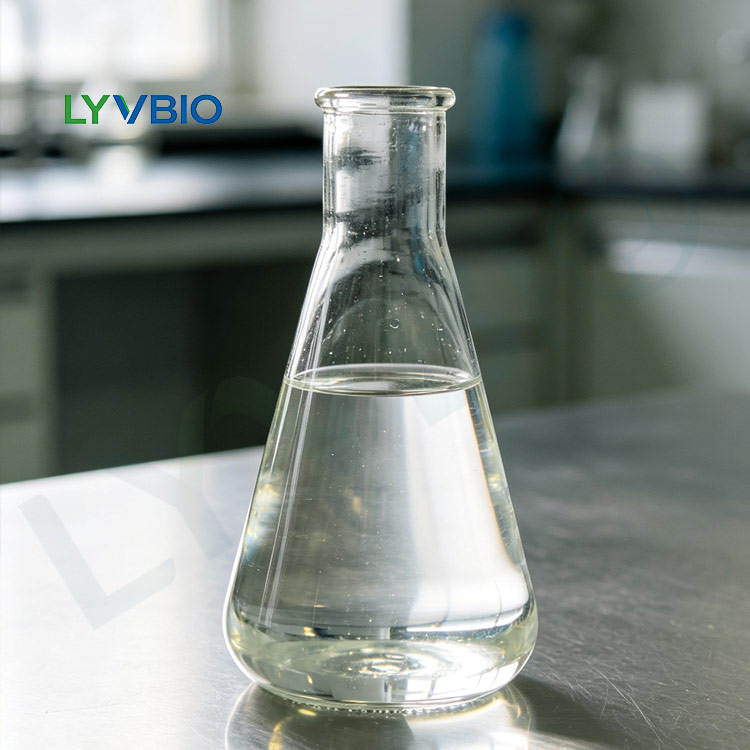
Ascorbyl Tetraisopalmitate
| Product Name | Ascorbyl Tetraisopalmitate |
|---|---|
| CAS Number | 183476-82-6 |
| Other Names | Tetrahexyldecyl Ascorbate; Ascorbyl Tetraisopalmitate; VC-IP |
| Appearance | Colorless to pale yellow clear oily liquid |
| Specifications | ≥98.0% (HPLC) |
| Molecular Formula | C62H114O8 |
| Molecular Weight | 1027.6 g/mol |
| Solubility | Oil-soluble; miscible with most cosmetic oils; insoluble in water |
| Package | 1 kg, 5 kg, 25 kg in aluminum bottles or drums |
Need help? Contact our team
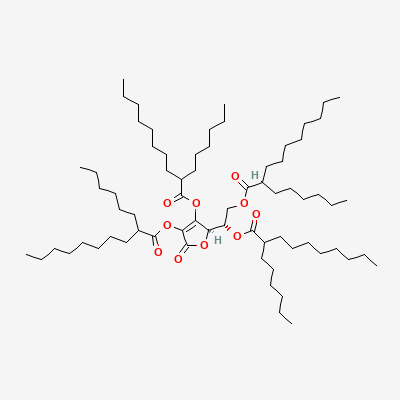
Synonyms: Tetrahexyldecyl Ascorbate, Ascorbyl Tetraisopalmitate, VC-IP, 183476-82-6
Ascorbyl Tetraisopalmitate (often abbreviated as VC-IP) is a high-performance oil-soluble derivative of L-ascorbic acid. Unlike its water-soluble parent, this molecule is engineered for stability and penetration. The synthesis involves esterifying the hydroxyl groups of ascorbic acid with isopalmitic acid, yielding a fully saturated branched-chain ester. This modification not only protects the labile enediol moiety from oxidative degradation but also renders the compound miscible with lipid-rich formulations, a critical advantage for anhydrous systems and emulsions.
In the personal care industry, VC-IP is recognized as a premium active for skin brightening, antioxidant defense, and collagen support. It is supplied as a clear, odorless oil that can be incorporated into creams, serums, and sunscreens without the need for special handling. Because it is non-irritating and compatible with a wide range of cosmetic ingredients, formulators frequently select VC-IP when aiming for high-efficacy vitamin C delivery with minimal formulation constraints.
Beyond its primary use in topical skincare, Ascorbyl Tetraisopalmitate is also investigated in pharmaceutical and nutraceutical research for its potential to modulate oxidative stress and inflammatory pathways. Its lipophilic nature allows for efficient cellular uptake, where it is enzymatically hydrolyzed to release ascorbic acid, thereby replenishing the skin’s antioxidant reservoir. This dual action—direct antioxidant activity and sustained release of ascorbate—makes it a valuable tool for studies on photoaging, pigmentation disorders, and barrier function.
The molecule consists of a central ascorbic acid core with four isopalmitate chains attached via ester linkages. This dense lipophilic shell confers exceptional oxidative stability, with a half-life significantly longer than that of ascorbic acid in solution. The branched C16 chains also contribute to a low melting point, ensuring the material remains liquid at room temperature. With a molecular weight exceeding 1000 Da, VC-IP is too large to penetrate intact through the stratum corneum; instead, it accumulates in the lipid bilayers and is gradually metabolized by esterases to liberate ascorbic acid. This slow-release mechanism provides prolonged antioxidant protection without the pro-oxidant risks associated with high-dose L-ascorbic acid.
| Parameter | Specification |
|---|---|
| Assay (HPLC) | ≥98.0% |
| Appearance | Colorless to pale yellow, clear oily liquid |
| Odor | Practically odorless |
| Refractive Index (20°C) | 1.450 – 1.470 |
| Heavy Metals | ≤10 ppm |
| Loss on Drying | ≤0.5% |
Room,5-0203, Unit 5, Beiyuanmen Street,Xi'an,Shaanxi,China
 English English
 Russian
 French
 Korean
 German
 Polish
 Japanese
 Spanish
 Italian
 Vietnamese