
Sodium hyaluronate
| Nazwa produktu | Sodium Hyaluronate |
|---|---|
| Numer CAS | 9067-32-7 |
| Wygląd | White to off-white powder |
| Dane techniczne | 99% HPLC |
| Wzór cząsteczkowy | (C14H20NO11Na)n |
| Masa cząsteczkowa | Typically 0.8–2.0 MDa (variable) |
| Rozpuszczalność | Soluble in water, insoluble in organic solvents |
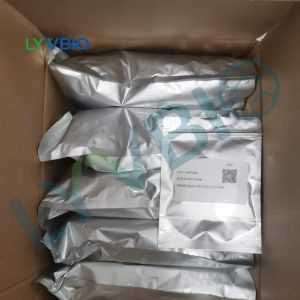
| Opakowanie | 1 kg, 5 kg, 10 kg |
Potrzebujesz pomocy? Skontaktuj się z naszym zespołem
Synonimy: Hyaluronic acid sodium salt, Sodium hyaluronate, HA sodium, Sodium hyaluronan, Hyaluronan sodium, Sodium salt of hyaluronic acid, CAS 9067-32-7
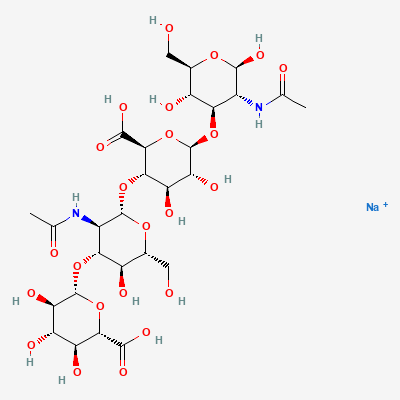
Sodium hyaluronate is the sodium salt of hyaluronic acid, a naturally occurring linear polysaccharide composed of repeating disaccharide units of D-glucuronic acid and N-acetyl-D-glucosamine. This polyanionic polymer is renowned for its exceptional water-binding capacity and viscoelastic properties, making it a key component in extracellular matrix and synovial fluid. Its biological functions are mediated through interactions with cell surface receptors such as CD44 and RHAMM, influencing cell proliferation, migration, and inflammation.
Commercially, sodium hyaluronate is produced via microbial fermentation using Streptococcus equi or Bacillus subtilis, followed by purification steps to achieve high purity. It is available in various molecular weight ranges, from low to high, to suit different applications. The product is typically standardized to ≥99% purity as determined by HPLC, ensuring consistent quality for pharmaceutical, cosmetic, and nutraceutical uses.
In the pharmaceutical industry, sodium hyaluronate is employed in ophthalmic surgeries, viscosupplementation for osteoarthritis, and wound healing. The cosmetic sector utilizes it as a moisturizer and anti-aging agent, while the food and supplement industry incorporates it for joint health. Its biocompatibility and biodegradability make it a preferred material for advanced drug delivery systems and tissue engineering.
Sodium hyaluronate consists of alternating β-1,4-linked D-glucuronic acid and β-1,3-linked N-acetyl-D-glucosamine units. The sodium ions associate with the carboxyl groups of glucuronic acid, enhancing water solubility. The polymer exhibits high viscosity in solution, with rheological properties dependent on molecular weight and concentration. It is hygroscopic and should be stored in a cool, dry environment to prevent degradation.
| Parametr | Specyfikacja |
|---|---|
| Oznaczenie (HPLC) | ≥99,01 TP3T |
| Wygląd | White to off-white powder |
| pH (1% solution) | 6.0–8.0 |
| Strata przy suszeniu | ≤10.0% |
| Metale ciężkie | ≤20 ppm |
| Wartości graniczne dla mikroorganizmów | Total aerobic count ≤100 CFU/g |
Room,5-0203, Unit 5, Beiyuanmen Street,Xi'an,Shaanxi,China
 English English
 Russian
 French
 Korean
 German
 Polish
 Japanese
 Spanish
 Italian
 Vietnamese