
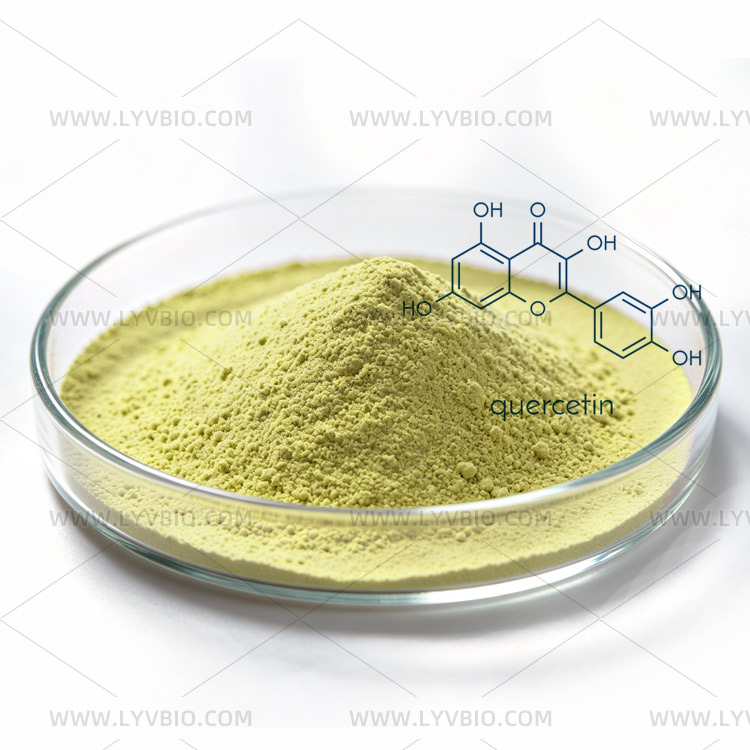
Quercetin
| Nazwa produktu | Quercetin |
|---|---|
| Numer CAS | 117-39-5 |
| Inne nazwy | 3,3',4',5,7-Pentahydroxyflavone; Sophoretin; Meletin |
| Wzór cząsteczkowy | C15H10O7 |
| Masa cząsteczkowa | 302.24 g/mol |
| Wygląd | Yellow to yellow-green crystalline powder |
| Oznaczenie (HPLC) | ≥95.0% (typically 98.0%) |
| Strata przy suszeniu | ≤ 2,01 TP3T |
| Popiół po spaleniu | ≤ 0,5% |
| Metale ciężkie | ≤ 10 ppm |
| Rozpuszczalność | Soluble in ethanol, methanol, acetone; practically insoluble in water |
| Opakowanie | 25 kg fiber drum with double PE inner liners |
Potrzebujesz pomocy? Skontaktuj się z naszym zespołem
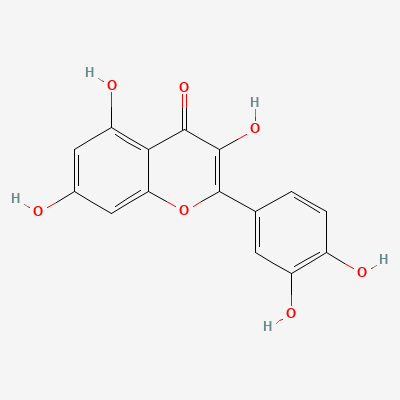
Synonimy: Quercetin, 3,3′,4′,5,7-Pentahydroxyflavone, Sophoretin, Meletin, Quercetin anhydrous, Quercetin dihydrate
Quercetin belongs to the flavonol subclass of flavonoids, characterized by a 15-carbon skeleton (C6-C3-C6) with two aromatic rings linked via a three-carbon bridge. Its five hydroxyl groups at positions 3, 5, 7, 3′, and 4′ underpin its potent antioxidant capacity, enabling electron donation to neutralize free radicals and chelate transition metal ions. The catechol moiety in the B-ring and the 3-hydroxy group in the C-ring are critical for its radical-scavenging activity and modulation of multiple signaling pathways.
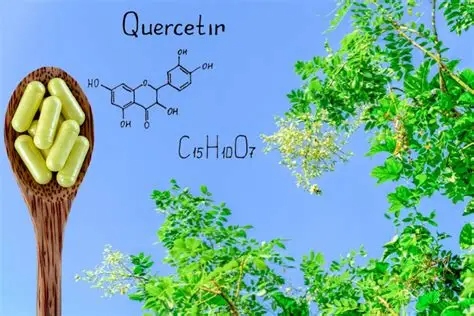
As a naturally occurring polyphenol, quercetin is widely distributed in fruits, vegetables, and grains, with notable concentrations in onions, apples, berries, and tea. For commercial use, it is typically extracted from Sophora japonica (Japanese pagoda tree) buds or produced via semi-synthesis, then purified to high assay grades. The material is available in both anhydrous and dihydrate forms; the dihydrate is more stable under ambient conditions and is the preferred grade for solid dosage forms.
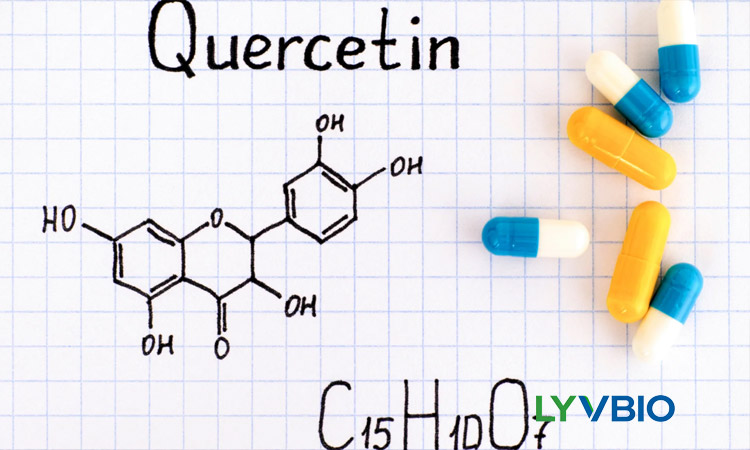
In the B2B ingredient market, quercetin serves as a versatile bioactive for dietary supplements, functional foods, and pharmaceutical research. Its well-documented mechanisms—ranging from Nrf2 activation to inhibition of histamine release and modulation of inflammatory cytokines—make it a staple in products targeting immune support, cardiovascular health, and healthy aging. Formulators value its compatibility with other flavonoids and its established safety profile.
Quercetin is a pentahydroxyflavone with a molecular formula of C15H10O7 and a molecular weight of 302.24 g/mol. It appears as a yellow to yellow-green crystalline powder, practically insoluble in water but soluble in polar organic solvents such as ethanol, methanol, and acetone. The compound exhibits strong UV absorption, which is utilized in analytical quantification. Its melting point is approximately 316°C (decomposition), and it is sensitive to light and oxidizing agents, necessitating storage in tightly sealed containers away from direct light.
| Parametr | Specyfikacja |
|---|---|
| Oznaczenie (HPLC) | ≥ 95.0% (typically 98.0%) |
| Wygląd | Yellow to yellow-green crystalline powder |
| Strata przy suszeniu | ≤ 2,01 TP3T |
| Popiół po spaleniu | ≤ 0,5% |
| Metale ciężkie | ≤ 10 ppm |
| Rozpuszczalność | Soluble in ethanol, methanol, acetone; practically insoluble in water |
| Wielkość cząstek | 100% pass 80 mesh |
Room,5-0203, Unit 5, Beiyuanmen Street,Xi'an,Shaanxi,China
 English English
 Russian
 French
 Korean
 German
 Polish
 Japanese
 Spanish
 Italian
 Vietnamese