
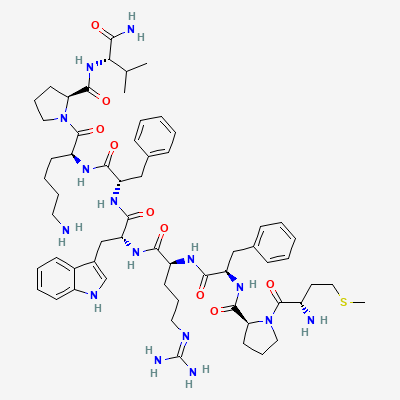

| Nazwa produktu | Nonapeptide-1 |
|---|---|
| Numer CAS | 158563-45-2 |
| Wzór cząsteczkowy | C60H89N17O12 (typical) |
| Masa cząsteczkowa | ~1240.5 g/mol |
| Wygląd | Proszek o barwie od białej do prawie białej |
| Dane techniczne | Purity ≥98% (HPLC) |
| Rozpuszczalność | Soluble in water and DMSO |
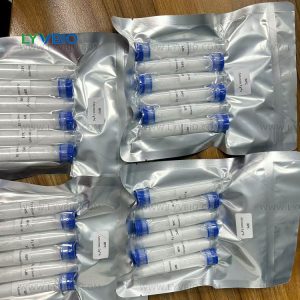
| Opakowanie | 5g, 10g, 50g, 100g (customized available) |
Potrzebujesz pomocy? Skontaktuj się z naszym zespołem
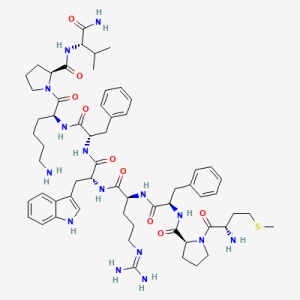
Synonyms: Nonapeptide-1, Melanostatine, Melatime, Nonapeptide (158563-45-2)
Nonapeptide-1 is a synthetic peptide composed of nine amino acids, specifically designed to modulate melanin synthesis in the skin. It is a derivative of the natural peptide alpha-melanocyte-stimulating hormone (α-MSH) and functions by interfering with the signaling pathway that triggers melanin production. This makes it a valuable ingredient in cosmetic formulations aimed at skin brightening and the reduction of hyperpigmentation.
In the cosmetic industry, Nonapeptide-1 is gaining traction as an alternative to traditional skin-lightening agents like hydroquinone and kojic acid, which often come with concerns about irritation or long-term safety. The peptide works by inhibiting the activity of tyrosinase, the key enzyme responsible for melanin formation, without affecting the viability of melanocytes. Its peptide nature allows for high specificity and low toxicity, making it suitable for sensitive skin types.
Nonapeptide-1 is typically incorporated into serums, creams, and lotions at concentrations ranging from 0.1% to 1%. It is often combined with other active ingredients such as vitamins and botanical extracts to enhance its efficacy. As a research chemical, it is also used in dermatological studies to explore melanogenesis regulation and the development of targeted pigmentation treatments.
| Parametr | Specyfikacja |
|---|---|
| Oznaczenie (HPLC) | ≥98% |
| Wygląd | Proszek o barwie od białej do prawie białej |
| Rozpuszczalność | Clear solution in water or DMSO |
| Strata przy suszeniu | ≤5% |
| Metale ciężkie | ≤10 ppm |
| Wartości graniczne dla mikroorganizmów | Całkowita liczba drobnoustrojów zdolnych do życia ≤ 1000 CFU/g |
Room,5-0203, Courtyard 205, Lianhu District,Xi'an,Shaanxi,China
 English English
  Russian
 French
 Korean
 German
 Polish
 Japanese
 Spanish
 Italian
 Vietnamese