
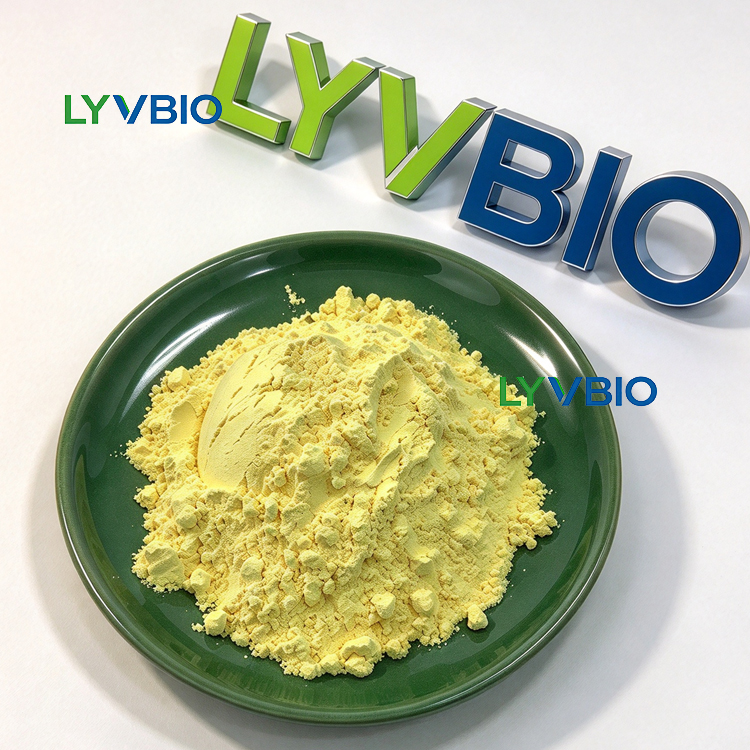
Mangosteen Extract-Mangostin
| Nazwa produktu | Mangostin |
|---|---|
| Numer CAS | 6147-11-1 |
| Wzór cząsteczkowy | C₂₄H₂₆O₆ |
| Masa cząsteczkowa | 410.46 g/mol |
| Wygląd | Yellow to light yellow crystalline powder |
| Oznaczenie (HPLC) | 90% or 98% (per grade) |
| Strata przy suszeniu | ≤ 0,5% |
| Popiół po spaleniu | ≤ 0,11 TP3T |
| Metale ciężkie | ≤ 10 ppm |
| Temperatura topnienia | 180 – 182°C |
| Przechowywanie | Store in a cool, dry place, protected from light |
| Rozpuszczalność | Soluble in DMSO, ethanol, chloroform; slightly soluble in water |
Potrzebujesz pomocy? Skontaktuj się z naszym zespołem
Synonimy: Mangostin, α-Mangostin, Alpha-Mangostin, Mangosteen Extract, Garcinia mangostana Extract, Mangosteen Pericarp Extract, 1,3,6-Trihydroxy-7-methoxy-2,8-bis(3-methyl-2-butenyl)-9H-xanthen-9-one, Mangosteen Xanthone
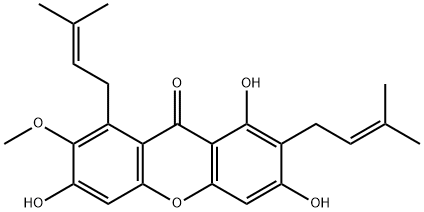
Mangostin (α-Mangostin) is the primary bioactive xanthone isolated from the pericarp (rind) of the mangosteen fruit (Garcinia mangostana L.), a tropical fruit native to Southeast Asia. Mangosteen has been used traditionally in folk medicine for centuries to treat skin infections, wounds, diarrhea, and inflammatory conditions.
α-Mangostin is one of the most extensively studied xanthones, recognized for its potent antioxidant, anti-inflammatory, antimicrobial, and anticancer properties. Its molecular structure features a xanthone core with multiple hydroxyl and prenyl groups, which contribute to its ability to scavenge free radicals, modulate inflammatory pathways, and interact with cellular signaling molecules.
Mangostin is widely used in dietary supplements, functional foods, and cosmetic formulations targeting antioxidant support, inflammatory conditions, and skin health. It is also a subject of extensive pharmacological research, particularly in the fields of oncology, metabolic health, and neuroprotection.
Antioxidant activity: Scavenges free radicals, upregulates endogenous antioxidant enzymes.
Anti-inflammatory activity: Inhibits COX-2, LOX, and NF-κB signaling pathways.
Antimicrobial activity: Exhibits broad-spectrum activity against bacteria, fungi, and viruses.
Anticancer activity: Induces apoptosis and inhibits proliferation in cancer cell lines (research).
Metabolic support: Supports healthy lipid and glucose metabolism.
Zdrowie skóry: Protects against UV-induced damage, supports collagen synthesis.
Źródło: Pericarp of Garcinia mangostana L. (mangosteen)
Extraction: Ethanol or ethyl acetate extraction, followed by purification
Standardization: α-Mangostin (HPLC)
| Grade | α-Mangostin (HPLC) | Wygląd | Typical Use |
|---|---|---|---|
| 90% | ≥90.0% | Yellow to light yellow powder | Standard supplements, functional foods |
| 98% | ≥98,01 TP3T | Yellow crystalline powder | Research, premium formulations |
Q: What is the difference between α-mangostin and β-mangostin?
A: α-Mangostin is the primary and most abundant xanthone in mangosteen pericarp. β-Mangostin is a minor related compound with a slightly different molecular structure and biological activity.
Q: What is the recommended dosage for antioxidant support?
A: Clinical studies typically use 100 – 500 mg of α-mangostin per day, often standardized to ≥90% purity.
Q: Is mangostin suitable for long-term use?
A: Mangostin is generally considered safe for short- to medium-term use. Long-term use should be monitored by a healthcare professional.
Q: Does mangostin interact with medications?
A: Mangostin may interact with blood thinners, diabetes medications, and drugs metabolized by the liver. Consult a healthcare professional before use.
Q: Is mangostin suitable for vegetarian and vegan formulations?
A: Yes, mangostin is plant-derived and suitable for vegetarian and vegan applications.
Tagi: Mangostin, α-Mangostin, Alpha-Mangostin, CAS 6147-11-1, HPLC ≥90%, HPLC ≥98%, Mangosteen Extract, Garcinia mangostana, Xanthone, Antioxidant, Anti-inflammatory, Antimicrobial, Anticancer, Skin Health, Dietary Supplement, LyvBio
Room,5-0203, Unit 5, Beiyuanmen Street,Xi'an,Shaanxi,China
 English English
 Russian
 French
 Korean
 German
 Polish
 Japanese
 Spanish
 Italian
 Vietnamese