
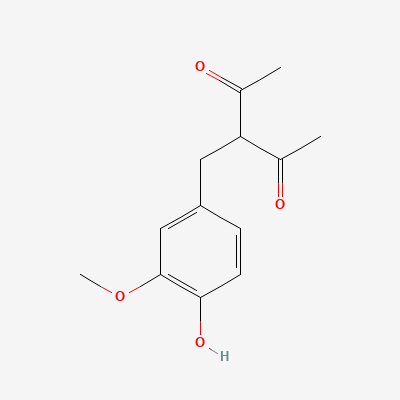
Acetyl Zingerone
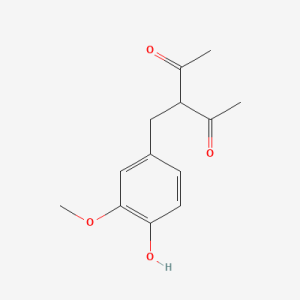
| Nazwa produktu | Acetyl Zingerone |
|---|---|
| Numer CAS | 30881-23-3 |
| Inne nazwy | 4-(4-Hydroxy-3-methoxyphenyl)-3-buten-2-one; Dehydrozingerone; DHZ; Vanillylideneacetone |
| Wzór cząsteczkowy | C11H12O3 |
| Masa cząsteczkowa | 192.21 g/mol |
| Wygląd | Biały lub prawie biały krystaliczny proszek |
| Oznaczenie (HPLC) | ≥98,01 TP3T |
| Temperatura topnienia | 110-112 °C |
| Rozpuszczalność | Soluble in ethanol, DMSO, propylene glycol; slightly soluble in water |
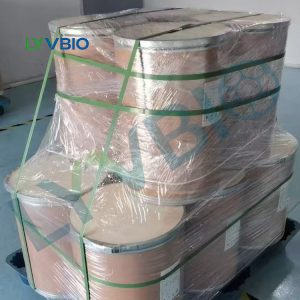
| Opakowanie | Beczka na włókna o pojemności 25 kg z podwójną wkładką z polietylenu |
Potrzebujesz pomocy? Skontaktuj się z naszym zespołem
Synonimy: 4-(4-Hydroxy-3-methoxyphenyl)-3-buten-2-one, Dehydrozingerone, DHZ, (E)-4-(4-Hydroxy-3-methoxyphenyl)-3-buten-2-one, Vanillylideneacetone, 4-Hydroxy-3-methoxybenzylideneacetone
Acetyl Zingerone is a phenolic ketone that occurs naturally in ginger (Zingiber officinale) and is also found in smaller amounts in other plants. Its structure features a vanillyl moiety linked to an α,β-unsaturated ketone system, a combination that underpins its strong antioxidant and anti-inflammatory properties. This compound has gained attention as a multifunctional ingredient capable of scavenging free radicals, chelating metal ions, and modulating key cellular pathways.
Also known as dehydrozingerone (DHZ), this compound is the unsaturated analog of zingerone, one of the primary pungent principles of ginger. It is produced synthetically for commercial use, ensuring high purity and consistent supply. Acetyl Zingerone is available in cosmetic and pharmaceutical grades, with specifications tailored to different applications.
In the personal care industry, Acetyl Zingerone is incorporated into anti-aging and skin-protection formulations, where it helps defend against oxidative stress and environmental aggressors. In pharmaceutical research, it serves as a scaffold for developing anti-inflammatory and anticancer agents. Its versatility and favorable safety profile make it a valuable active for a range of products.
Acetyl Zingerone (C11H12O3) has a molecular weight of 192.21 g/mol. The molecule consists of a 4-hydroxy-3-methoxyphenyl group connected to a 3-buten-2-one chain. This α,β-unsaturated carbonyl system is a potent Michael acceptor, enabling the compound to react with nucleophiles such as cysteine residues in proteins. The phenolic hydroxyl group provides additional antioxidant capacity. Acetyl Zingerone appears as a white to off-white crystalline powder with a melting point around 110-112 °C. It is soluble in organic solvents like ethanol and DMSO, but only slightly soluble in water.
| Parametr | Specyfikacja |
|---|---|
| Wygląd | Biały lub prawie biały krystaliczny proszek |
| Oznaczenie (HPLC) | ≥98,01 TP3T |
| Temperatura topnienia | 110-112 °C |
| Strata przy suszeniu | ≤0.5% |
| Metale ciężkie | ≤10 ppm |
| Popiół po spaleniu | ≤0,11 TP3T |
Room,5-0203, Unit 5, Beiyuanmen Street,Xi'an,Shaanxi,China
 English English
 Russian
 French
 Korean
 German
 Polish
 Japanese
 Spanish
 Italian
 Vietnamese