
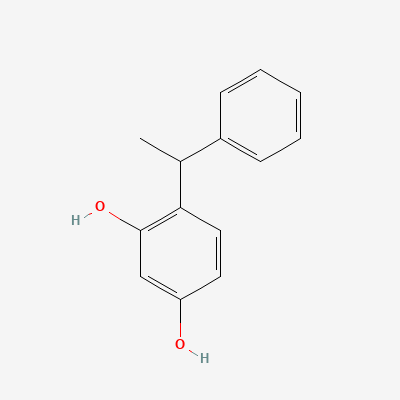
85-27-8
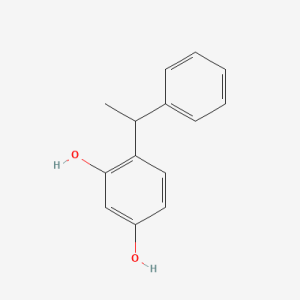
| 제품명 | Phenylethyl Resorcinol |
|---|---|
| CAS 번호 | 85-27-8 |
| 다른 이름 | 4-(1-Phenylethyl)resorcinol; 4-(1-Phenylethyl)-1,3-benzenediol; SymWhite 377 |
| 분자식 | C14H14O2 |
| 분자량 | 214.26 g/mol |
| 외관 | 흰색에서 미백색의 결정성 분말 |
| 분석법 (HPLC) | ≥99.0% |
| 융점 | 78-82 °C |
| 건조 손실 | ≤0.5% |
| 중금속 | ≤10 ppm |
| 용해도 | Soluble in ethanol, propylene glycol; slightly soluble in water |
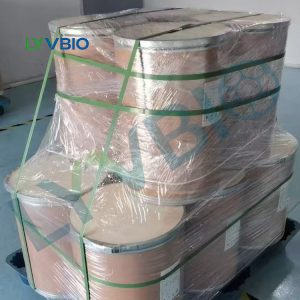
| 패키지 | 25 kg fiber drum with double PE liner |
도움이 필요하신가요? 저희 팀에 문의해 주세요
동의어: Phenylethyl Resorcinol, 4-(1-Phenylethyl)resorcinol, 4-(1-Phenylethyl)-1,3-benzenediol, SymWhite 377, 85-27-8
Phenylethyl Resorcinol is a synthetic resorcinol derivative that has become a benchmark ingredient in the personal care industry for skin brightening and evening skin tone. Unlike many botanical extracts that contain a mixture of actives, this compound is a single, well-defined molecule, which allows formulators to achieve consistent efficacy and predictable stability in finished products. Its development stems from research into resorcinol-based compounds that can inhibit tyrosinase, the key enzyme in melanin synthesis, without the drawbacks associated with earlier generations of whitening agents.
From a chemical standpoint, Phenylethyl Resorcinol features a resorcinol core substituted with a 1-phenylethyl group at the 4-position. This structure is lipophilic enough to penetrate the stratum corneum, yet retains sufficient polarity to remain compatible with common cosmetic emollients and solvents. It is typically supplied as a white to off-white crystalline powder with an assay of ≥99% (HPLC), and it exhibits good thermal stability under normal storage conditions. Its mechanism of action involves competitive inhibition of tyrosinase, as well as interference with the transfer of melanosomes to keratinocytes, making it effective at low use levels.
In terms of applications, Phenylethyl Resorcinol is primarily used in leave-on skin care products such as serums, creams, and lotions, where it addresses hyperpigmentation, age spots, and uneven skin tone. It is also incorporated into products targeting post-inflammatory hyperpigmentation and melasma. Because it is effective at concentrations as low as 0.1–0.5%, it is cost-efficient for brands aiming to deliver visible brightening benefits without compromising on sensory properties. The ingredient is compatible with a wide range of other actives, including vitamin C derivatives, niacinamide, and retinoids, although formulation pH should be kept below 7 to ensure stability.
| 매개변수 | 사양 |
|---|---|
| 분석법 (HPLC) | ≥99.0% |
| 식별 | IR, HPLC retention time conforms to standard |
| 건조 손실 | ≤0.5% |
| 소각 잔류물 | ≤0.1% |
| 중금속 | ≤10 ppm |
| Microbial Limits | Total aerobic count ≤100 CFU/g; Yeast & Mold ≤10 CFU/g; Absence of E. coli, S. aureus, P. aeruginosa |
 English English
 Russian
 French
 Korean
 German
 Polish
 Japanese
 Spanish
 Italian
 Vietnamese