
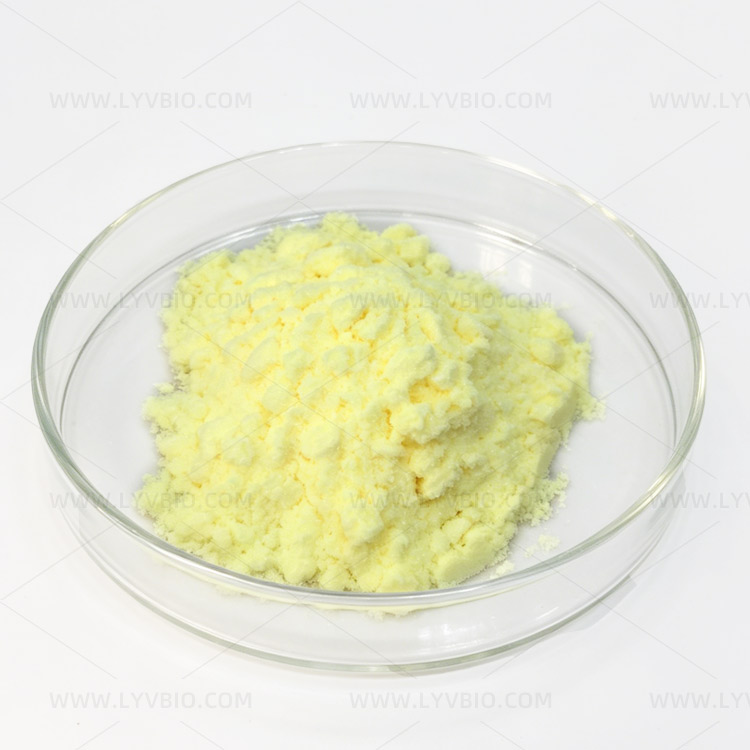
| 제품명 | NMNH (환원 니코틴아미드 모노뉴클레오티드) |
| 다른 이름 | NMNH; 환원형 NMN; 디하이드로니코틴아미드 모노뉴클레오티드 |
| CAS 번호 | 108347-85-9 |
| 분자식 | C₁₁H₁₇N₂O₈P |
| 분자량 | 336.23 g/mol |
| 외관 | 노란색에서 연한 노란색의 결정성 분말 |
| 분석법 (HPLC) | ≥ 98.0% (고순도) |
| 순도 (NAD⁺/NMN 관련) | ≤ 5.0% 산화 형태 |
도움이 필요하신가요? 저희 팀에 문의해 주세요
NMNH(환원 니코틴아미드 모노뉴클레오티드)는 축약형 니코틴아미드 모노뉴클레오티드(NMN)의. NMN은 산화 상태에서 니코틴아미드 고리를 포함하는 반면, NMNH는 디하이드로피리딘 고리, 따라서 화학적으로는 NADH와 유사하지만 모노뉴클레오티드 수준에서 그렇다.
NMNH는 NAD⁺ 전구체 연구 분야에서 새롭게 부상하고 있는 분야입니다. NMN(NMNAT 효소를 통해 NAD⁺로 전환되어야 함)과 달리, NMNH는 NADH로 더 쉽게 환원된다 또한 서로 다른 대사 경로를 통해 세포 내 NAD⁺ 수치를 높일 수 있습니다. 초기 연구 결과에 따르면 NMN에 비해 생체 이용률이 더 높을 가능성이 있으며, 조직 분포도 다를 수 있는 것으로 나타났습니다.
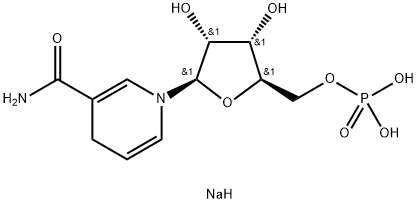
C11H18N2NaO8P
| 복합체 | CAS 번호. | 분자량 | 산화 상태 | 고리 구조 |
|---|---|---|---|---|
| NMN (β-니코틴아미드 모노뉴클레오티드) | 1094-61-7 | 334.22 g/mol | 산화된 | 피리딘 고리 |
| NMNH (환원형 NMN) | 108347-85-9 | 336.23 g/mol | 감소된 | 디하이드로피리딘 고리 |
| NAD⁺ | 53-84-9 | 663.43 g/mol | 산화된 | 피리딘 고리 |
| NADH | 606-68-8 | 665.44 g/mol | 감소된 | 디하이드로피리딘 고리 |
| 신청 | 설명 | 최종 사용자 |
|---|---|---|
| NAD⁺ 대사 연구 | 대체 NAD⁺ 생합성 경로의 연구 | 학술 연구, 대학 |
| 노화 및 장수 연구 | NMN, NR, NADH를 대상으로 한 비교 연구 | 노화 연구 기관 |
| 대사성 질환 모델 | 에너지 대사에 관한 체외 및 동물 연구 | 제약 연구개발, CRO |
| 효소학 연구 | NMNAT, NRK, CD38 효소의 기질 특이성 | 생화학 연구 |
| 연구 중점 분야 | NMNH 대 NMN 대 NR 대 NADH |
|---|---|
| 생체이용률 | 어떤 전구체가 NAD⁺/NADH 비율을 가장 효율적으로 높여주나요? |
| 조직 분포 | NMNH는 다른 장기(간, 뇌, 근육)를 표적으로 삼나요? |
| 동역학 | 각 전구체는 NAD⁺/NADH 수치를 얼마나 빠르게 상승시키나요? |
| 안정성 | 생리학적 조건 하에서의 안정성 비교 |
| 독성 프로파일 | 동물 모델을 이용한 안전성 평가 |
| 신청 | 설명 |
|---|---|
| 안정화 기술 | 경구 투여 가능성을 염두에 둔 안정화된 NMNH 개발 |
| 리포솜 캡슐화 | 안정성 및 생체이용률 향상 |
| 분석법 개발 | NMNH 정량 분석을 위한 HPLC 및 LC-MS 분석법 |
LyvBio 주식회사. 연구 및 개발 용도로 사용되는 고순도 NMNH(환원형 NMN)를 공급하는 GMP 인증 업체입니다.
공급 역량:
분석법 (HPLC): ≥95.0% (표준), ≥98.0% (고순도)
외관: 노란색에서 연한 노란색의 결정성 분말
양식: 동결건조 결정성 분말
월간 처리량: 500g – 1kg
대량 주문: 100mg – 500g
소요 기간: 3~5일 (시료), 10~15일 (대량)
문서: COA, MSDS, TDS, HPLC 크로마토그램, 안정성 데이터, NMR (요청 시)
품질 보증:
UV 검출법(산화형은 260 nm, 환원형은 340 nm)을 이용한 HPLC 순도 분석
적절한 조건 하의 보관 및 취급 (-20°C 냉동고, 불활성 분위기)
안정성 시험을 거친 배치
📧 문의: info@lyvbio.com
| 매개변수 | NMNH | NMN | 염화나트륨 | NADH |
|---|---|---|---|---|
| CAS 번호. | 108347-85-9 | 1094-61-7 | 23111-00-4 | 606-68-8 |
| 분자량 | 336.23 | 334.22 | 290.70 | 665.44 |
| 산화 상태 | 감소된 | 산화된 | 산화된 (전구체) | 감소된 |
| 외관 | 노란색 결정질 | 하얀 가루 | 하얀 가루 | 하얀 가루 |
| 주요 역할 | NADH 전구체 | NAD⁺ 전구체 | NAD⁺ 전구체 | 전자 공여체 (ATP) |
| 안정성 | 매우 열악함 (-20°C, 불활성 환경 필요) | 가난한 | 보통 | 매우 나쁨 |
| 인간 임상 데이터 | 없음 (연구용) | 한정판 | 광범위한 (20회 이상의 시험) | 한정판 |
| 규제 현황 (미국) | GRAS가 아님 (연구용) | 영양보충제로는 허용되지 않음* | GRAS | GRAS가 아님 |
| 일반적인 연구용 투여량 | 해당 없음 (임상 전 단계) | 250–500 mg | 250–500 mg | 5–50 mg |
| 1차 시장 | 연구개발(R&D) / 전임상 | 연구 (한정 부록) | 건강기능식품 | 건강기능식품 |
Q: NMNH와 NMN의 차이점은 무엇인가요?
A: NMNH는 축약형 NMN의 (디하이드로피리딘 고리 대 피리딘 고리). NMN은 산화 상태이고, NMNH는 환원 상태이다. 이러한 구조적 차이로 인해 NMNH는 뚜렷한 화학적 특성(노란색, 다른 자외선 흡수 특성, 더 큰 불안정성)을 띠게 된다.
Q: NMNH는 건강기능식품인가요?
A: 아니요. NMNH는 연구용 화합물입니다. 이 물질은 GRAS(일반적으로 안전하다고 인정되는 물질)에 해당하지 않으며, 주요 시장에서 식이 보충제로 승인된 바 없고, 인체에 대한 안전성이나 효능 데이터도 없습니다. LyvBio는 NMNH를 다음 용도로 공급합니다. 오로지 연구 및 개발 목적으로만 사용됩니다.
Q: NMNH는 노란색인데 NMN은 왜 흰색인가요?
A: 노란색은 환원된 디하이드로피리딘 고리의 특징적인 색상입니다. NADH(환원형)도 옅은 노란색을 띠며, NAD⁺(산화형)는 흰색입니다. 이러한 색상 차이는 산화 상태를 한눈에 파악할 수 있는 지표가 됩니다.
Q: NMNH가 NMN보다 더 효과가 좋은가요?
A: 알려지지 않았습니다. 현재 연구는 체외 실험 및 초기 동물 실험 단계에 그치고 있습니다. 인간을 대상으로 한 데이터는 존재하지 않습니다. NMNH는 신흥 연구 분야, NAD⁺ 증진 효과가 입증된 것은 아닙니다.
Q: NMNH는 어떻게 보관해야 하나요?
A: -20°C 냉동실, 밀봉하고, 건조시킨 후, 불활성 기체(아르곤/질소) 환경에서 빛을 차단하여 보관해야 합니다. 적절하게 보관하지 않을 경우 NMN 및 기타 분해 생성물로 급속히 산화됩니다.
Q: 연구 목적으로 권장되는 용량은 얼마입니까?
A: 체외 연구의 경우: 10–100 µM. 동물 연구의 경우: 용량은 연구 모델에 따라 다릅니다. 인체에 대한 용량은 정해져 있지 않습니다. LyvBio는 용량 권장 사항을 제공하지 않으므로, 연구자가 적절한 농도를 결정해야 합니다.
Q: 최소 주문 수량은 얼마인가요?
A: 연구용 샘플: 100mg–1g. 대량 연구용: 5g–100g. 소요 기간: 3–5일(샘플); 10–15일(대량). NMNH의 모든 발송 물품은 불활성 가스 포장 방식으로 처리되며, 온도 조절(드라이아이스 또는 젤 팩 사용)이 이루어집니다.
📧 이메일: info@lyvbio.com
🌐 웹사이트: https://www.lyvbio.com
Room,5-0203, Courtyard 205, Lianhu District,Xi'an,Shaanxi,China
 English English
  Russian
 French
 Korean
 German
 Polish
 Japanese
 Spanish
 Italian
 Vietnamese