

| 製品名 | Naringin dihydrochalcone |
|---|---|
| CAS番号 | 18916-17-1 |
| 分子式 | C27H32O14 |
| 分子量 | 580.53 |
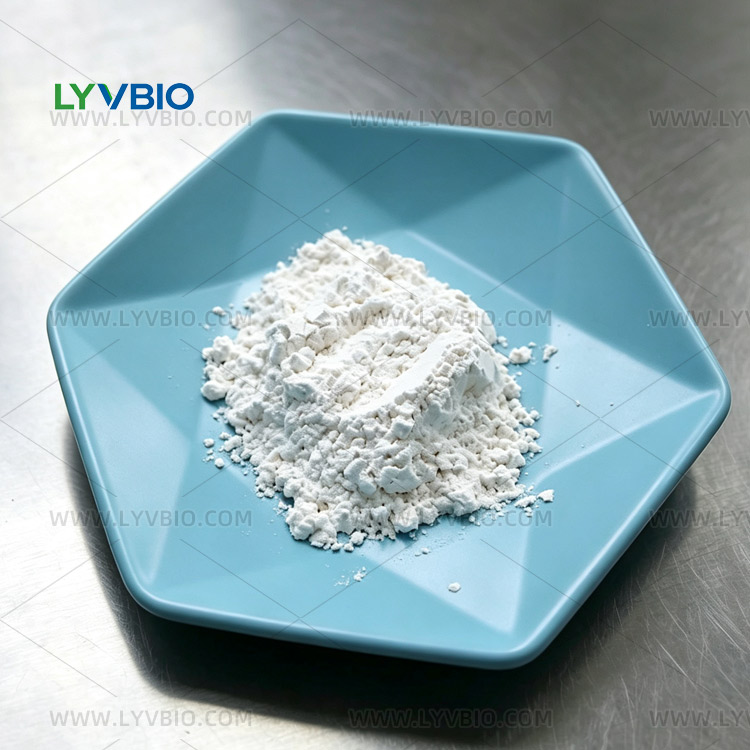
| 外観 | 白色からオフホワイトの結晶性粉末 |
| 分析(HPLC) | ≥98% |
| 乾燥減量 | ≤5.0% |
| 焼失残渣 | ≤0.5% |
| 重金属 | 10 ppm以下 |
| 溶解度 | 水およびエタノールに溶ける |
| 粒子径 | 95%~80メッシュ |
| 仕様 | 98% HPLC |
お困りですか? 弊社チームまでお問い合わせください

Synonyms: Naringin dihydrochalcone, Naringin DHC, Dihydrochalcone of naringin, 4′,5,7-Trihydroxyflavanone-7-rhamnoglucoside dihydrochalcone, Naringin dihydrochalcone (CAS 18916-17-1)
Naringin dihydrochalcone is a semi-synthetic flavonoid derivative obtained by hydrogenation of naringin, a bitter flavonoid glycoside naturally abundant in grapefruit and other citrus fruits. While naringin itself contributes to the bitter taste of citrus, its dihydrochalcone form is intensely sweet—several hundred times sweeter than sucrose—yet it is non-caloric and non-cariogenic. This unique combination has made it a valuable ingredient in food, beverage, and pharmaceutical applications where sweetness without sugar is desired.
Chemically, naringin dihydrochalcone belongs to the dihydrochalcone class of flavonoids, characterized by an opened C-ring that distinguishes it from the more common flavanones. Its structure retains the rhamnosyl-glucosyl sugar moiety, which influences its solubility and metabolic behavior. Unlike many artificial sweeteners, it is a natural-identical compound, derived from a renewable botanical source, and has a clean, sweet taste with a slight licorice or menthol-like cooling aftertaste. It is stable under typical processing conditions, including heat and acidic pH, making it suitable for a wide range of formulations.
Our naringin dihydrochalcone is produced via catalytic hydrogenation of high-purity naringin, followed by rigorous purification to achieve ≥98% assay by HPLC. It is supplied as a white to off-white crystalline powder that is freely soluble in water and ethanol. This high purity grade is intended for use in functional foods, sugar-free confectionery, oral care products, and pharmaceutical formulations, as well as for research applications investigating sweet taste receptors and metabolic effects. With its natural origin and favorable safety profile, it offers formulators a clean-label sweetening solution that aligns with current consumer preferences.
| パラメータ | 仕様 |
|---|---|
| 分析(HPLC) | ≥98.0% |
| 識別 | IR, HPLC retention time matches reference |
| 乾燥減量 | ≤5.0% |
| 焼失残渣 | ≤0.5% |
| 重金属 | 10 ppm以下 |
| 微生物の許容限度 | Total plate count ≤1000 cfu/g, Yeast & mold ≤100 cfu/g, Salmonella negative, E. coli negative |
 English English
  Russian
 French
 Korean
 German
 Polish
 Japanese
 Spanish
 Italian
 Vietnamese