
お困りですか? 弊社チームまでお問い合わせください
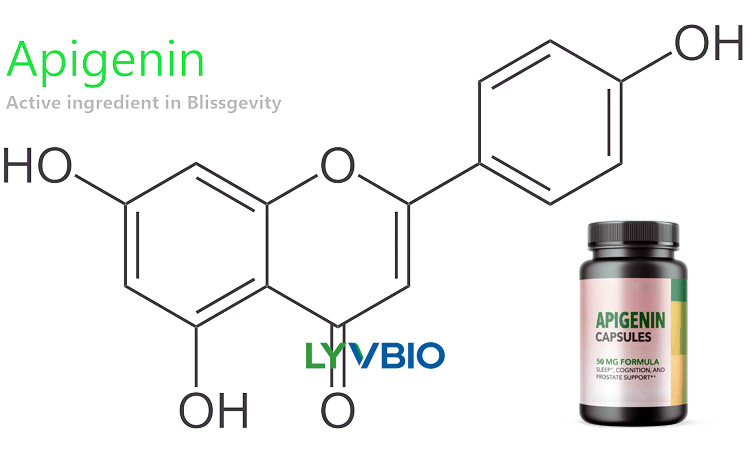
Apigenin is a naturally occurring flavone (a subclass of flavonoids) widely distributed in the plant kingdom. It is most abundant in chamomile flowers, parsley, celery, and citrus fruits. Unlike many flavonoids that are water-soluble glycosides, apigenin is primarily found as the aglycone (non-sugar) form, which contributes to its unique lipophilic properties and ability to cross biological membranes—including the blood-brain barrier.
Historical context: Chamomile tea has been used for centuries as a mild sedative and digestive aid. Modern science has identified apigenin as the primary bioactive responsible for these traditional uses. This historical validation, combined with emerging research on its anti-cancer and anti-aging properties, has positioned apigenin as a high-value ingredient for premium nutraceutical formulations.
| 出典 | Apigenin Content | Extraction Complexity | 費用 | おすすめ |
|---|---|---|---|---|
| Chamomile (Matricaria recutita) | 0.3–1.5% | 中程度 | 低~中程度 | General wellness, sleep, anxiety |
| Parsley (Petroselinum crispum) | 2.0–3.5% (dry leaf) | 低 | 低 | Cost-effective bulk production |
| Celery (Apium graveolens) | 1.5–2.5% (seed) | 低 | 低 | Joint health, inflammation |
| Synthetic | 98%+ | 該当なし | 中~高 | Research, high-purity applications |
Commercial reality: Most commercial apigenin is extracted from chamomile or parsley due to their widespread cultivation and established supply chains. Synthetic apigenin exists but is rarely cost-competitive for nutraceutical applications.
Anxiolytic (anti-anxiety) effects without motor impairment
Reduced stress responses without daytime drowsiness
No tolerance development (in animal models)
No withdrawal syndrome upon discontinuation
| 用途 | 一般的な用量 | Clinical Evidence & Mechanism |
|---|---|---|
| Generalized anxiety (mild-moderate) | 1日50~100 mg | GABA-A modulation; reduced HPA axis activity (morning cortisol) |
| Sleep quality improvement | 50–100 mg (evening) | Non-sedative sleep architecture preservation (unlike benzodiazepines) |
| Stress resilience (adaptogen positioning) | 1日50~150 mg | Reduced perceived stress scale (PSS) scores in human trials |
| Premenstrual dysphoric disorder (PMDD) | 1日50~100 mg | Anxiolytic + anti-inflammatory synergy |
| Caffeine-induced jitter/anxiety | 50–100 mg (as needed) | GABAergic counterbalance to glutamatergic excess |
Market differentiation opportunity: Apigenin is one of the few ingredients that can legitimately claim “calm without drowsiness” (unlike melatonin, valerian, or GABA). This positions it perfectly for daytime stress management products targeting working professionals, students, and high-anxiety populations.
Synergistic formulations:
Apigenin + L-theanine + magnesium glycinate (complete calm stack)
Apigenin + lemon balm + passionflower (herbal anxiety formula)
Apigenin + melatonin + 5-HTP (sleep onset without next-day grogginess)
| 用途 | 用法・用量 | エビデンスベース |
|---|---|---|
| Exercise-induced inflammation reduction | 100–200 mg post-exercise | Reduced IL-6 and CRP (limited human data) |
| Muscle recovery | 1日50~100 mg | Reduced DOMS (preliminary) |
| Cortisol modulation (overtraining prevention) | 1日50~100 mg | HPA axis regulation |
| パラメータ | 仕様 | 試験方法 |
|---|---|---|
| 分析(HPLC) | 98.0–99.0% min | HPLC-UV |
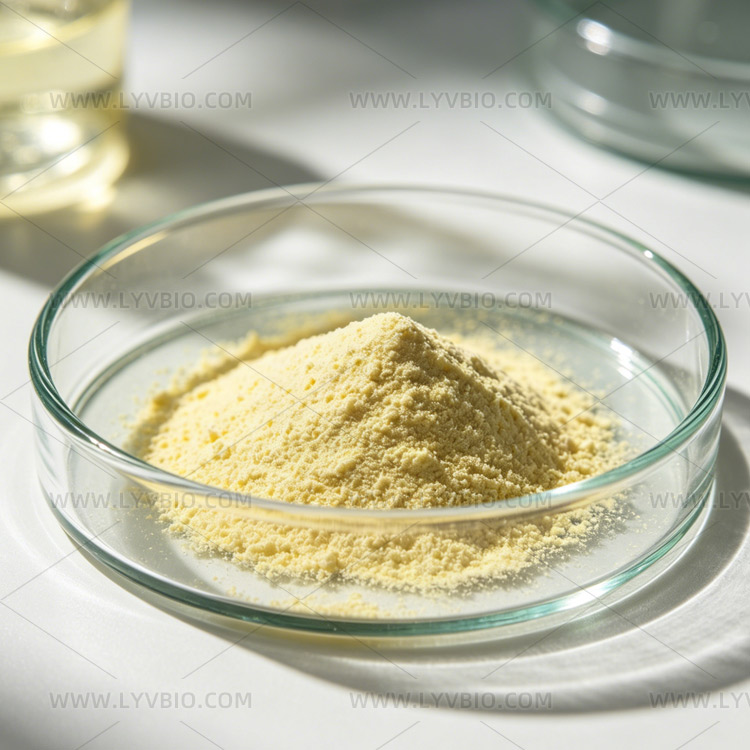
| 外観 | Yellow to light yellow crystalline powder | ビジュアル |
| 融点 | 345–350°C (decomposes) | Capillary method |
| 乾燥減量 | ≤ 1.0% | USP |
| 焼失残渣 | ≤ 0.2% | USP |
| 重金属 | Pb ≤ 0.5 ppm;As ≤ 0.5 ppm;Cd ≤ 0.2 ppm;Hg ≤ 0.05 ppm | ICP-MS |
| 関連物質 | Single impurity ≤ 0.5%; Total ≤ 1.5% | HPLC-UV |
| 残留溶剤 | USP について | GC |
| Region | Supplement Status | Maximum Daily Dose (supplements) | Food/Tea Status |
|---|---|---|---|
| USA | Dietary ingredient (DSHEA) | No regulatory limit (industry: 50–200 mg) | Chamomile tea: GRAS |
| EU | Food supplement (Directive 2002/46/EC) | No specific limit (novel food status unclear) | Traditional use (chamomile) |
| Canada | Natural Health Product (NHP) | Up to 100 mg (licensed products) | Tea: NHP |
| Australia | Listed medicine (ARTG) | Up to 150 mg (listed medicines) | Tea: exempt |
| China | Health Food ingredient | Up to 100 mg (approved products) | Tea: food |
注: Apigenin itself is not a regulated substance in any major market. However, finished products making therapeutic claims (anxiety, sleep, inflammation) require appropriate regulatory approvals (NDI for USA, Novel Food for EU, NHP license for Canada).
Q: What is the difference between apigenin and chamomile extract?
A: Chamomile extract contains multiple compounds (apigenin, bisabolol, matricin, flavonoids). Apigenin is the purified, standardized active compound. For therapeutic applications requiring precise dosing (50–100 mg apigenin), purified apigenin is preferred. For traditional use positioning, chamomile extract (standardized to 1–5% apigenin) may be appropriate.
Q: Is apigenin sedating like valerian or melatonin?
A: No. Apigenin is anxiolytic (anti-anxiety) without sedation. It does not cause next-day drowsiness or impair motor function at standard doses (50–100 mg). This is a key differentiation point for daytime stress management products.
Q: Can apigenin be used in beverages?
A: Yes, but only in water-dispersible (encapsulated) form. Crystalline apigenin is insoluble in water and will settle or create turbidity. Water-dispersible grades use food-grade emulsifiers (modified starch, lecithin) to create stable suspensions.
Q: 完成品の推奨用量はどれくらいですか?
A:
General wellness: 25–50 mg/day
Stress/anxiety: 50–100 mg/day
Sleep support (evening): 50–100 mg
Inflammation: 100–150 mg/day
Clinical/therapeutic: 150–200 mg/day (short-term, supervised)
で リブバイオ株式会社. , we provide premium apigenin with specifications that exceed industry standards:
Quality Differentiators:
Purity assurance – HPLC ≥98.5% (minimum, typical 98.8–99.2%)
Impurity control – Individual impurity ≤0.3%; Total ≤1.0% (versus industry standard 0.5%/1.5%)
Heavy metals – Pb ≤0.3 ppm (40% below typical supplier limits)
Source verification – 100% chamomile or parsley origin (no celery adulteration)
Melting point – 346–348°C (sharp, indicating high crystallinity and purity)
Batch-to-batch consistency – HPLC fingerprinting for authentication
Room,5-0203, Courtyard 205, Lianhu District,Xi'an,Shaanxi,China
 English English
  Russian
 French
 Korean
 German
 Polish
 Japanese
 Spanish
 Italian
 Vietnamese