
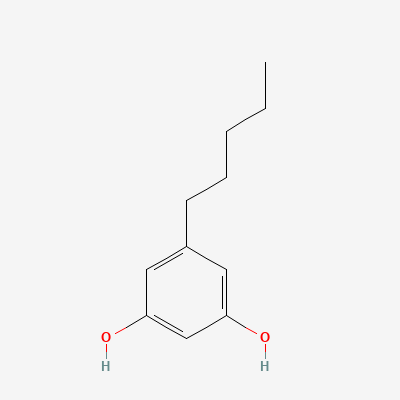
Olivetol (3,5-Dihydroxypentylbenzene)
| Nome del prodotto | Olivetol (3,5-Dihydroxypentylbenzene) |
|---|---|
| Numero CAS | 500-66-3 |
| Synonyms | 5-Pentylresorcinol; 3,5-Dihydroxypentylbenzene; 5-Pentyl-1,3-benzenediol; 1,3-Dihydroxy-5-pentylbenzene; Olivetol |
| Formula molecolare | C11H16O2 |
| Peso molecolare | 180.24 g/mol |
| Aspetto | Polvere cristallina di colore da bianco a bianco sporco |
| Analisi (HPLC) | ≥98.0% |
| Punto di fusione | 75-78 °C |
| Perdita per essiccazione | ≤0.5% |
| Residuo di combustione | ≤0.1% |
| Metalli pesanti | ≤10 ppm |
| Solubilità | Soluble in ethanol, methanol, acetone; slightly soluble in water |
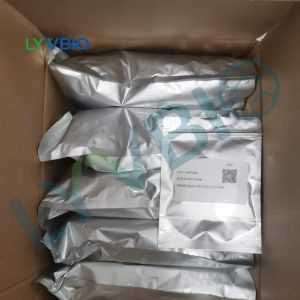
| Confezione | 25 kg fiber drum with double polyethylene liner |
Hai bisogno di aiuto? Contatta il nostro team
Sinonimi: 5-Pentylresorcinol, 3,5-Dihydroxypentylbenzene, 5-Pentyl-1,3-benzenediol, 1,3-Dihydroxy-5-pentylbenzene, Olivetol
Olivetol has become a molecule of considerable interest in the specialty chemical and pharmaceutical intermediate space, largely driven by the growing demand for high-purity building blocks used in the synthesis of cannabinoid APIs and related compounds. As research into cannabinoid-based therapeutics expands, procurement teams are increasingly sourcing olivetol as a critical starting material for the production of cannabidiol (CBD), tetrahydrocannabinol (THC), and other cannabinoids via established synthetic routes. Its well-defined chemistry and consistent performance make it a preferred choice for scale-up processes.
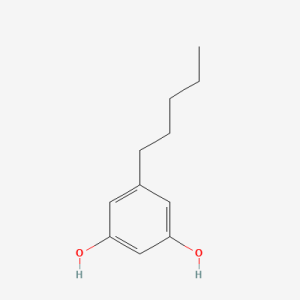
Chemically, olivetol is a 5-substituted resorcinol, specifically 3,5-dihydroxypentylbenzene. It occurs naturally as a defensive secretion in certain insects and is also found in some lichens, but commercial quantities are produced synthetically through condensation reactions. The compound features a pentyl chain attached to a resorcinol core, which provides the necessary lipophilic and phenolic functionalities for further chemical transformations. Its structure is fundamental to the cannabinoid scaffold, making it a versatile intermediate in medicinal chemistry.
LyvBio supplies olivetol with a minimum assay of 98% (HPLC), ensuring batch-to-batch consistency for critical synthesis steps. Our material is manufactured under strict quality control and is available in commercial quantities to support both pilot and production-scale requirements. With a focus on purity and reliability, we serve pharmaceutical companies, contract research organizations, and fine chemical manufacturers worldwide.
Olivetol is an organic compound with the molecular formula C11H16O2 and a molecular weight of 180.24 g/mol. It consists of a benzene ring substituted with two hydroxyl groups at the 1 and 3 positions and a pentyl chain at the 5 position. This arrangement gives the molecule its characteristic reactivity, particularly in electrophilic substitution and coupling reactions. The presence of two phenolic hydroxyls allows for selective functionalization, which is exploited in multi-step syntheses.
The compound is typically synthesized from 3,5-dimethoxybenzaldehyde or via other routes involving Grignard reactions and subsequent deprotection. The final product is purified through recrystallization or chromatography to achieve high purity. Olivetol is stable under normal storage conditions but should be protected from light and moisture to prevent degradation. Its crystalline form makes it easy to handle and weigh accurately in formulation and synthesis processes.
| Parametro | Specifiche |
|---|---|
| Analisi (HPLC) | ≥98.0% |
| Aspetto | Polvere cristallina di colore da bianco a bianco sporco |
| Perdita per essiccazione | ≤0.5% |
| Residuo di combustione | ≤0.1% |
| Metalli pesanti | ≤10 ppm |
| Limiti microbiologici | Conta aerobica totale ≤ 1000 UFC/g; lieviti e muffe ≤ 100 UFC/g; assenza di E. coli |
Room,5-0203, Unit 5, Beiyuanmen Street,Xi'an,Shaanxi,China
 English English
 Russian
 French
 Korean
 German
 Polish
 Japanese
 Spanish
 Italian
 Vietnamese