
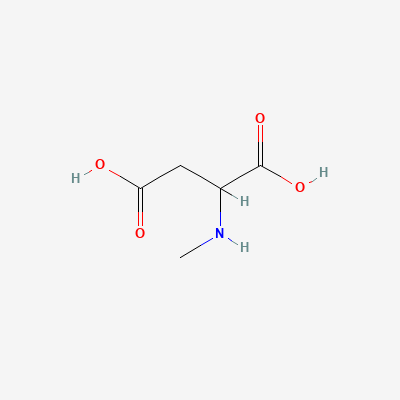
N-Methyl-DL-Aspartic Acid (NMA)
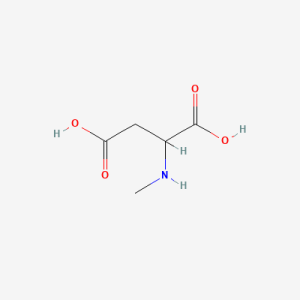
| Nome del prodotto | N-Methyl-DL-Aspartic Acid (NMA) |
|---|---|
| Numero CAS | 17833-53-3 |
| Formula molecolare | C5H9NO4 |
| Peso molecolare | 147.13 g/mol |
| Aspetto | Polvere cristallina di colore da bianco a bianco sporco |
| Analisi (HPLC) | ≥98.0% |
| Perdita per essiccazione | ≤0.5% |
| Residuo di combustione | ≤0.1% |
| Metalli pesanti | ≤10 ppm |
| Solubilità | Soluble in water, slightly soluble in ethanol |
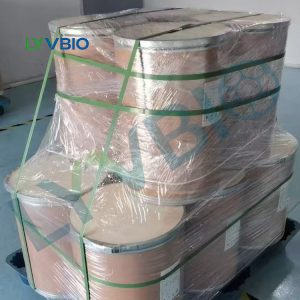
| Confezione | 25 kg fiber drum with double polyethylene bags |
Hai bisogno di aiuto? Contatta il nostro team
Sinonimi: N-Methyl-DL-aspartic acid, NMA, 2-(Methylamino)succinic acid, DL-N-Methylaspartic acid, N-Methylaspartate, NMDA (non-specific)
In the evolving landscape of neuroprotective and cognitive health ingredients, N-Methyl-DL-Aspartic Acid (NMA) has carved out a distinct niche. Unlike its controversial receptor-agonist cousin NMDA, NMA is a versatile building block that has captured the attention of formulators and researchers alike. Its unique profile makes it a valuable component in products targeting glutamate modulation, cognitive resilience, and even specialized sports nutrition. As the demand for nootropics and neuroprotective agents continues to surge, NMA stands out as a compound with untapped potential for innovative product development.
NMA is a methylated derivative of aspartic acid, an endogenous amino acid. It exists as a racemic mixture of D and L enantiomers. The compound is structurally related to the excitatory neurotransmitter glutamate and has been studied for its ability to interact with the glutamatergic system. While it shares some structural similarities with NMDA, NMA exhibits a distinct pharmacological profile, acting as a partial agonist at NMDA receptors and influencing other pathways. This nuanced activity positions NMA as a candidate for modulating synaptic plasticity and neuronal health without the excitotoxicity concerns associated with high-potency NMDA receptor agonists.
Our N-Methyl-DL-Aspartic Acid is produced under stringent conditions to ensure high purity and consistent quality. Each batch is assayed by HPLC to guarantee a minimum purity of 98.0%, making it suitable for a wide range of applications from research to finished dietary supplements. The white crystalline powder is water-soluble, facilitating easy incorporation into various dosage forms. With a focus on reliability and regulatory compliance, LyvBio supplies NMA with complete documentation, ensuring seamless integration into your supply chain.
N-Methyl-DL-Aspartic Acid is a synthetic compound that mimics the structure of naturally occurring amino acids. It is manufactured through a controlled methylation process of DL-aspartic acid, yielding a racemic mixture. The molecule features a methyl group attached to the nitrogen atom, which influences its interaction with biological targets. This modification enhances its lipophilicity slightly compared to aspartic acid, potentially affecting its bioavailability and distribution.
In terms of composition, NMA is a single chemical entity, not a mixture of enantiomers with different activities. The racemic nature means it contains equal amounts of D and L forms, which can be advantageous in research settings where both enantiomers might contribute to the observed effects. Our production process ensures that the ratio remains consistent, providing researchers and formulators with a reliable material for their studies.
| Parametro | Specifiche |
|---|---|
| Analisi (HPLC) | ≥98.0% |
| Aspetto | Polvere cristallina di colore da bianco a bianco sporco |
| Perdita per essiccazione | ≤0.5% |
| Residuo di combustione | ≤0.1% |
| Metalli pesanti | ≤10 ppm |
| Limiti microbiologici | Conta aerobica totale ≤ 1000 UFC/g; lieviti e muffe ≤ 100 UFC/g; assenza di E. coli |
| Solubilità | Soluble in water |
Room,5-0203, Unit 5, Beiyuanmen Street,Xi'an,Shaanxi,China
 English English
 Russian
 French
 Korean
 German
 Polish
 Japanese
 Spanish
 Italian
 Vietnamese