


| Nome del prodotto | Fucoxanthin |
|---|---|
| Numero CAS | 3351-86-8 |
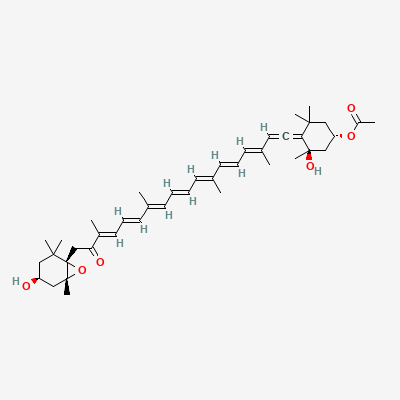
| Formula molecolare | C₄₂H₅₈O₆ |
| Peso molecolare | 658.91 g/mol |
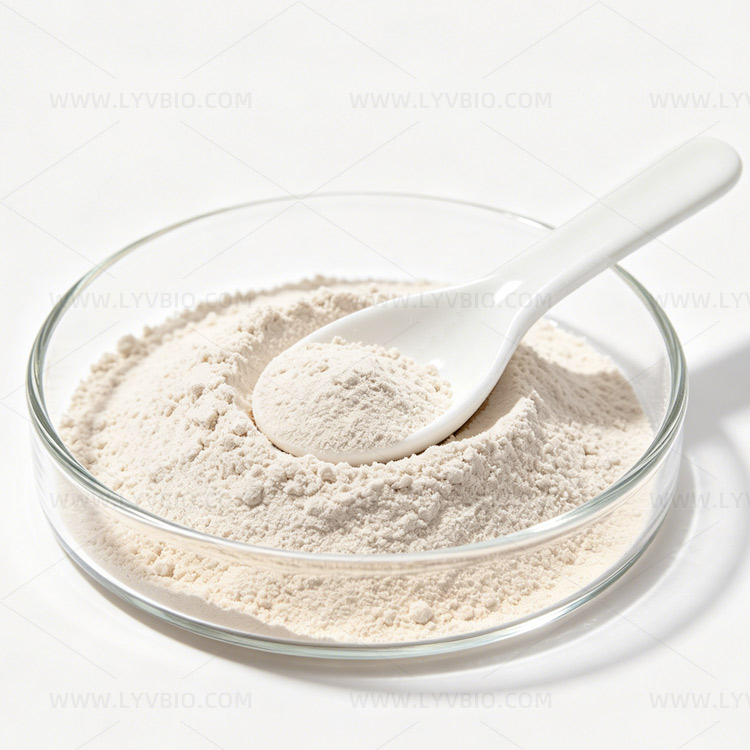
| Aspetto | Dark brown to reddish-brown powder (50%); Dark green to dark brown powder (85%) |
| Analisi (HPLC) | 50% or 85% (per grade) |
| Perdita per essiccazione | ≤ 5,0% |
| Residuo di combustione | ≤ 5,0% |
| Metalli pesanti | ≤ 10 ppm |
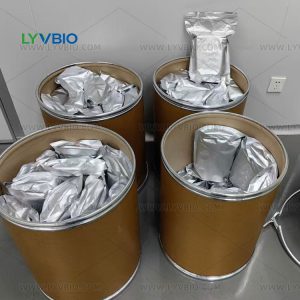
| Archiviazione | Store in a cool, dry place, protected from light and oxygen |
| Solubilità | Soluble in oils, ethanol, DMSO; insoluble in water |
| Dimensione delle particelle | Da 100% a 80 mesh |
Hai bisogno di aiuto? Contatta il nostro team
Sinonimi: Fucoxanthin, Brown Algae Extract, Seaweed Xanthophyll, Carotenoid, Laminaria Extract, Undaria pinnatifida Extract,
Phaeodactylum tricornutum Extract, All-trans-fucoxanthin
Fucoxanthin is a naturally occurring xanthophyll carotenoid found in brown seaweeds (Phaeophyceae) and certain marine microalgae, including Laminaria japonica (kombu), Undaria pinnatifida (wakame), and Phaeodactylum tricornutum. It is responsible for the characteristic brownish-green color of these seaweeds and is one of the most abundant carotenoids in marine ecosystems.
Fucoxanthin has attracted significant scientific interest for its unique molecular structure, which includes an allenic bond and a 5,6-monoepoxide group, contributing to its potent antioxidant and thermogenic properties. It has been extensively studied for its role in lipid metabolism e controllo del peso, with mechanisms involving the upregulation of uncoupling protein 1 (UCP1) in brown adipose tissue, thereby increasing energy expenditure and thermogenesis.
Fucoxanthin is available in two purity grades: 50% (standard extract) and 85% (high-purity extract). It is widely used in dietary supplements, functional foods, and research applications targeting metabolic health, weight management, and antioxidant support.
Fonte: Brown seaweeds (Laminaria japonica, Undaria pinnatifida) or marine microalgae (Phaeodactylum tricornutum)
Estrazione: Supercritical CO₂ or solvent extraction, followed by purification
Standardizzazione: 50% or 85% fucoxanthin (HPLC)
Q: What is the difference between 50% and 85% fucoxanthin?
A: 50% fucoxanthin is a standard extract suitable for most supplement formulations. 85% fucoxanthin is a high‑purity grade with minimal carrier or co‑extracted compounds, preferred for research and premium softgel formulations.
Q: Is fucoxanthin stable in formulations?
A: Fucoxanthin is sensitive to light, heat, and oxygen. It is recommended to use protective packaging (e.g., amber glass, nitrogen flushing) and store in a cool, dry place.
Q: What is the typical dosage for weight management?
A: Clinical studies typically use 2 – 10 mg of fucoxanthin per day, often in combination with pomegranate seed oil to enhance bioavailability.
Q: Is fucoxanthin vegan and sustainable?
A: Yes, fucoxanthin is derived from cultivated brown seaweeds or microalgae, making it a sustainable, plant‑based ingredient.
Q: Can you ship DDP to Europe or the US?
A: Yes, we offer DDP shipping to most European countries and the US, with all customs duties and taxes included.
 English English
  Russian
 French
 Korean
 German
 Polish
 Japanese
 Spanish
 Italian
 Vietnamese