
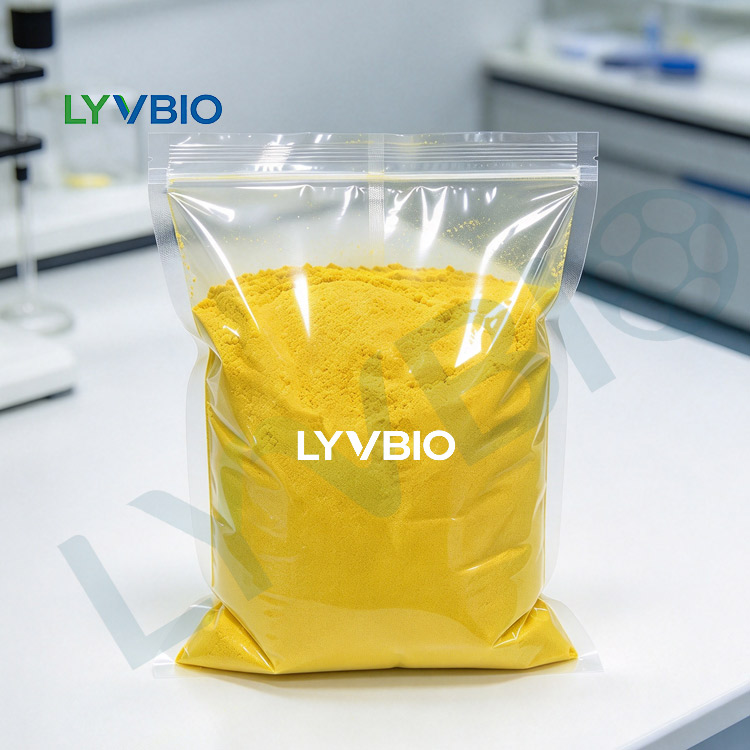
Hydroxypinacolone Retinoate / Dimethyl Isosorbide
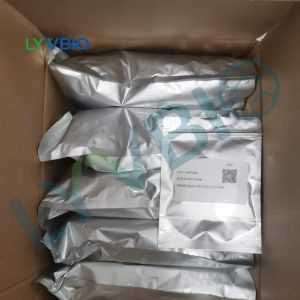
| Nome del prodotto | Hydroxypinacolone Retinoate / Dimethyl Isosorbide |
|---|---|
| Numero CAS | 893412-73-2 / 5306-85-4 |
| Aspetto | Hydroxypinacolone Retinoate: Off-white to pale yellow crystalline powder; Dimethyl Isosorbide: Clear, colorless to pale yellow liquid |
| Caratteristiche tecniche | Hydroxypinacolone Retinoate: ≥98.0% (HPLC); Dimethyl Isosorbide: ≥99.0% (GC) |
| Formula molecolare | Hydroxypinacolone Retinoate: C29H42O4; Dimethyl Isosorbide: C8H14O4 |
| Peso molecolare | Hydroxypinacolone Retinoate: 454.65 g/mol; Dimethyl Isosorbide: 174.19 g/mol |
| Solubilità | Hydroxypinacolone Retinoate: Soluble in ethanol, dimethyl isosorbide, and oils; practically insoluble in water. Dimethyl Isosorbide: Miscible with water, ethanol, and most organic solvents. |
| Metalli pesanti | ≤10 ppm |
| Perdita per essiccazione | ≤0.5% |
| Confezione | Hydroxypinacolone Retinoate: 1 kg aluminum foil bag; Dimethyl Isosorbide: 25 kg drum or 200 kg drum |
Hai bisogno di aiuto? Contatta il nostro team
Sinonimi: Granactive Retinoid, HPR, Hydroxypinacolone Retinoate, Dimethyl Isosorbide, DMI, 2,5-Dimethyl-1,4:3,6-dianhydro-D-glucitol
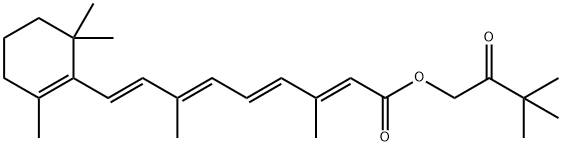
In the ongoing search for retinoid alternatives that deliver visible results without the familiar drawbacks of irritation and instability, Hydroxypinacolone Retinoate (HPR) has emerged as a molecule of considerable interest. Unlike conventional retinol, which requires metabolic conversion, HPR is a direct ester of all-trans-retinoic acid, allowing it to interact with retinoid receptors without the same level of enzymatic activation. This has made it a sought-after ingredient for formulators targeting anti-aging, acne management, and skin texture improvement—particularly in products where mildness is a priority. Dimethyl isosorbide (DMI) complements HPR perfectly as a solvent and penetration enhancer, facilitating the delivery of HPR into the skin while also acting as a multifunctional ingredient in its own right.
Hydroxypinacolone Retinoate is a synthetic retinoid ester formed by the esterification of all-trans-retinoic acid with hydroxypinacolone. It appears as an off-white to pale yellow crystalline powder, practically insoluble in water but readily soluble in ethanol and oils. Dimethyl isosorbide, on the other hand, is a high-purity, water-miscible liquid derived from sorbitol. It acts as a solvent, carrier, and skin penetration enhancer, making it an ideal partner for HPR in topical formulations. Together, they represent a robust system for delivering retinoid benefits with reduced irritation potential.
Both materials are supplied at high purity—HPR at ≥98.0% (HPLC) and DMI at ≥99.0% (GC)—ensuring consistent performance in finished products. HPR is often standardized in DMI at a 10% concentration for ease of handling, but the pure powder is also available for those who prefer to formulate from scratch. The combination offers formulators a reliable route to stable, effective retinoid products that meet modern consumer expectations for both efficacy and tolerability.
Hydroxypinacolone Retinoate is a lipophilic ester that binds directly to retinoid receptors, bypassing the need for conversion to retinoic acid. This direct action is thought to contribute to its favorable irritation profile compared to retinol. Its molecular structure includes a hydroxypinacolone moiety, which enhances stability and reduces the likelihood of degradation during storage. Dimethyl isosorbide is a dipolar aprotic solvent with excellent solvency for a wide range of actives. It is often used to improve the spreadability and penetration of topical formulations, and it also serves as a co-solvent for HPR, ensuring even distribution in the final product.
In combination, these two ingredients offer a synergistic approach: DMI enhances the solubility and delivery of HPR, while HPR provides the retinoid activity. This pairing is particularly useful in serums, creams, and gels where a lightweight, non-greasy feel is desired. Both materials are compatible with common cosmetic ingredients and are generally regarded as safe for topical use.
| Parametro | Specifiche |
|---|---|
| Assay (HPR) | ≥98,01 TP3T (HPLC) |
| Assay (DMI) | ≥99.0% (GC) |
| Appearance (HPR) | Off-white to pale yellow crystalline powder |
| Appearance (DMI) | Clear, colorless to pale yellow liquid |
| Loss on Drying (HPR) | ≤0.5% |
| Metalli pesanti | ≤10 ppm |
| Limiti microbiologici | Total aerobic count ≤1000 CFU/g; Yeast & Mold ≤100 CFU/g; Absence of E. coli, Salmonella, S. aureus |
Room,5-0203, Unit 5, Beiyuanmen Street,Xi'an,Shaanxi,China
 English English
 Russian
 French
 Korean
 German
 Polish
 Japanese
 Spanish
 Italian
 Vietnamese