
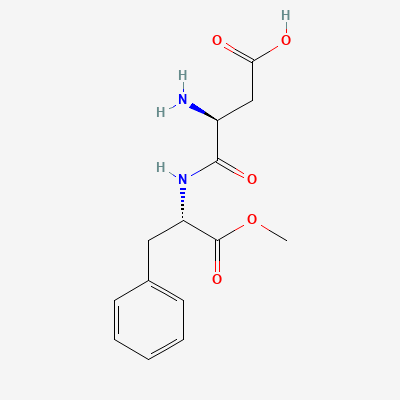
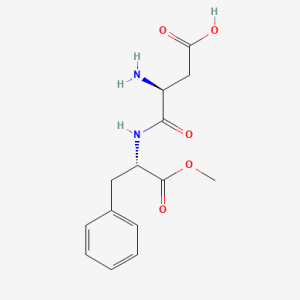
Aspartame
| Parametro | Specifiche |
|---|---|
| Nome del prodotto | Aspartame |
| Numero CAS | 22839-47-0 |
| Formula molecolare | C14H18N2O5 |
| Peso molecolare | 294.30 g/mol |
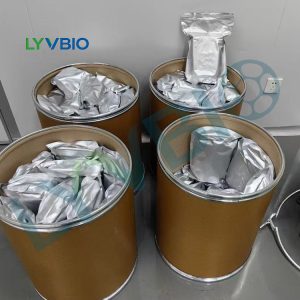
| Aspetto | Polvere cristallina bianca |
| Analisi (HPLC) | 98.0% – 102.0% (on dried basis) |
| Solubilità | Sparingly soluble in water; freely soluble in acidic solutions |
Hai bisogno di aiuto? Contatta il nostro team
Sinonimi: L-α-Aspartyl-L-phenylalanine methyl ester; N-L-α-Aspartyl-L-phenylalanine 1-methyl ester; Aspartyl-phenylalanine methyl ester; APM; NutraSweet; Equal
Aspartame is a synthetic dipeptide sweetener made from L-aspartic acid and L-phenylalanine, both of which occur naturally in protein foods. It is supplied as a white, odourless crystalline powder with a clean sweet taste that closely resembles sucrose, and it is roughly 200 times sweeter on a weight basis. The material is non-caloric and does not contribute to dental caries.
Commercial aspartame is offered in several grades, including powder, granular and fine powder forms, to suit different processing needs. Granular grades flow freely and are preferred for dry blending, while fine powder grades dissolve quickly in aqueous systems. The assay specification is typically 98.0% to 102.0% on a dried basis, and the ingredient meets the requirements of major pharmacopoeias and food chemical codes, including USP and FCC.
Formulators use aspartame across a wide range of low-calorie and sugar-free products: carbonated soft drinks, powdered drink mixes, tabletop sweeteners, chewing gum, dairy desserts, and pharmaceutical oral suspensions and chewable tablets. In beverage concentrates it provides a sucrose-like sweetness profile without the aftertaste associated with some other high-intensity sweeteners. In pharmaceuticals, it masks the bitterness of active ingredients in liquid and chewable dosage forms.
Beverage manufacturers rely on aspartame as the primary sweetener in diet carbonated soft drinks, ready-to-drink teas, and flavoured waters. It is also common in powdered beverage mixes, where its rapid dissolution and stability in dry form make it easy to incorporate. In the dairy and confectionery sectors, aspartame sweetens sugar-free yogurts, desserts, chewing gums, and hard candies, often in combination with other sweeteners to round out the taste profile.
Pharmaceutical formulators use aspartame to improve palatability of oral solutions, syrups, chewable tablets, and effervescent granules. It is compatible with most excipients and processing conditions, although in aqueous formulations at elevated temperatures, some degradation to diketopiperazine can occur, so pH and heat exposure should be controlled. The ingredient is also found in nutraceutical powders and meal-replacement shakes where a low-calorie sweetener is desired.
Aspartame is produced through chemical synthesis starting from the amino acids L-aspartic acid and L-phenylalanine. The process involves protection of functional groups, coupling to form the dipeptide, and subsequent deprotection and methylation to yield the methyl ester. The crude product is then purified by crystallisation and dried to a white crystalline powder. Manufacturing is carried out in cGMP-compliant facilities, and the final material is tested to meet food and pharmaceutical grade specifications.
The supply chain for aspartame is well established, with major production located in Asia and Europe. LyvBio sources from qualified manufacturers that operate under strict quality management systems, ensuring consistent quality and regulatory compliance. Each batch is accompanied by a certificate of analysis and material safety data sheet, and technical data sheets are available upon request.
send us your specification for a quotation.
Room,5-0203, Unit 5, Beiyuanmen Street,Xi'an,Shaanxi,China
 English English
 Russian
 French
 Korean
 German
 Polish
 Japanese
 Spanish
 Italian
 Vietnamese