

| Product Name | Gabapentin |
|---|---|
| CAS Number | 60142-96-3 |
| Molecular Formula | C9H17NO2 |
| Molecular Weight | 171.24 |
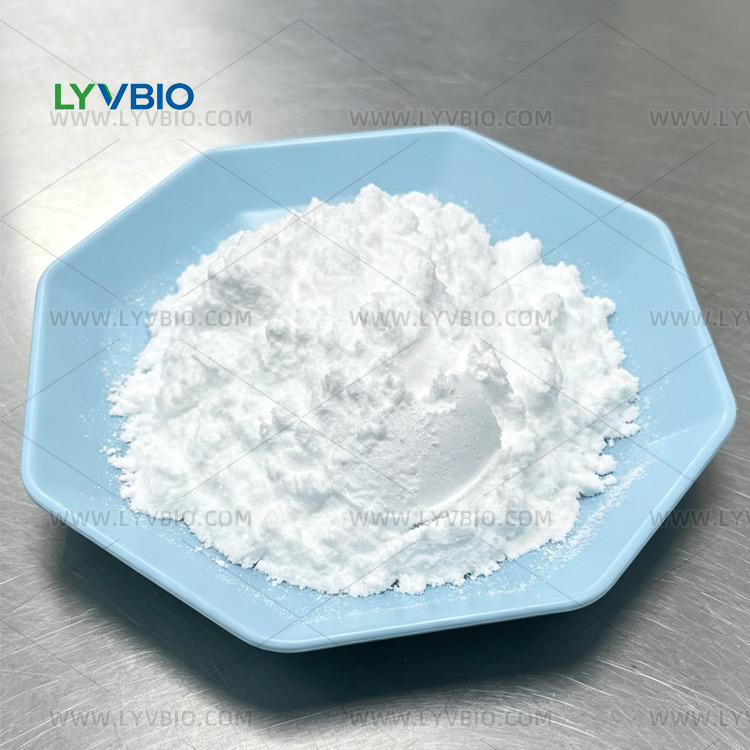
| Appearance | White to off-white crystalline powder |
| Assay (HPLC) | 99.0% ~ 101.0% (on dried basis) |
| Loss on Drying | ≤ 0.5% |
| Residue on Ignition | ≤ 0.1% |
| Heavy Metals | ≤ 10 ppm |
| Melting Point | 162°C - 166°C |
| Specific Rotation | Not applicable (racemic mixture) |
| Specification | 99%USP |
Need help? Contact our team
Neurontin, Gabarone, Aclonium, Fanatrex, Gabapentinum, 1-(aminomethyl)cyclohexaneacetic acid, 2-(1-(aminomethyl)cyclohexyl)acetic acid
Gabapentin is a pharmaceutical compound that belongs to the class of gabapentinoids. It is a structural analogue of the neurotransmitter gamma-aminobutyric acid (GABA), yet it does not bind to GABA receptors or influence GABA metabolism. Instead, it interacts with the α2δ subunit of voltage-gated calcium channels, modulating calcium influx and subsequently reducing the release of excitatory neurotransmitters. This mechanism underlies its therapeutic effects in neuropathic pain and epilepsy.
Originally developed as an anticonvulsant, gabapentin is now widely prescribed for a range of conditions, including partial seizures, postherpetic neuralgia, and fibromyalgia. Its favorable safety profile and low potential for drug interactions make it a valuable option in chronic pain management. In addition, it is increasingly used off-label for anxiety disorders, restless legs syndrome, and migraine prophylaxis.
 English English
  Russian
 French
 Korean
 German
 Polish
 Japanese
 Spanish
 Italian
 Vietnamese