
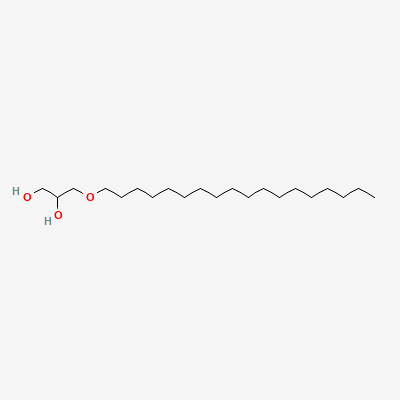
Batyl Alcohol
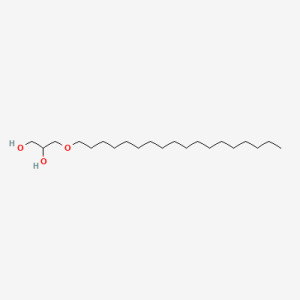
| Product Name | Batyl Alcohol |
|---|---|
| Other Names | 1-O-Octadecyl-sn-glycerol; 2,3-Dihydroxypropyl octadecyl ether; Batyl alcohol; Glyceryl 1-octadecyl ether; Stearyl monoglyceridyl ether |
| CAS Number | 544-62-7 |
| Molecular Formula | C21H44O3 |
| Molecular Weight | 344.57 g/mol |
| Appearance | White to off-white waxy solid or crystalline powder |
| Assay (HPLC) | ≥98.0% |
| Melting Point | 68-72 °C |
| Solubility | Soluble in ethanol, chloroform, and hot methanol; practically insoluble in water |
| Loss on Drying | ≤0.5% |
| Residue on Ignition | ≤0.1% |
| Heavy Metals | ≤10 ppm |
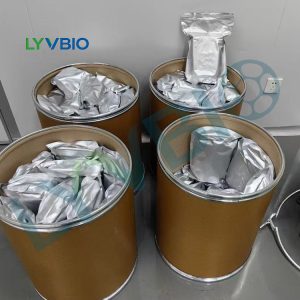
| Package | 25 kg net in fiber drum with double polyethylene liner |
Need help? Contact our team
Synonyms: 1-O-Octadecyl-sn-glycerol, 2,3-Dihydroxypropyl octadecyl ether, Batyl alcohol, Glyceryl 1-octadecyl ether, Stearyl monoglyceridyl ether, 544-62-7
In the personal care and pharmaceutical industries, formulators are increasingly turning to multifunctional ingredients that offer both performance and consumer-friendly profiles. Batyl alcohol, a naturally occurring alkylglycerol, has emerged as a sought-after component in skin care, hair care, and topical drug delivery systems due to its remarkable emollient, emulsifying, and skin-repair properties. Unlike many synthetic alternatives, it aligns with the growing demand for bio-based and biocompatible raw materials.
Batyl alcohol is chemically known as 1-O-octadecyl-sn-glycerol, a long-chain fatty alcohol ether of glycerol. It was first isolated from shark liver oil and later found in human bone marrow and other mammalian tissues. This natural origin, combined with its excellent safety profile, makes it a preferred choice for high-end cosmetic and pharmaceutical formulations. As a waxy solid at room temperature, it imparts a rich, non-greasy feel and helps stabilize emulsions.
LyvBio supplies Batyl alcohol with a minimum purity of 98% (HPLC), ensuring consistent quality for critical applications. Our product is manufactured under strict GMP conditions and undergoes rigorous quality control to meet the demanding standards of the personal care and pharmaceutical sectors. Whether you are developing a premium anti-aging cream or a specialized dermatological ointment, Batyl alcohol delivers reliable performance.
In this product profile, we delve into the key aspects of Batyl alcohol, from its chemical identity to its functional benefits and quality specifications. Our aim is to provide formulators and procurement specialists with the essential information needed to evaluate this versatile ingredient for their next project.
Batyl alcohol is a chiral alkylglycerol with the molecular formula C21H44O3 and a molecular weight of 344.57 g/mol. It consists of a glycerol backbone with an octadecyl (stearyl) group attached via an ether linkage at the sn-1 position. This structure confers unique surface-active properties, making it an effective emulsifier and co-emulsifier in oil-in-water systems. The compound is typically synthesized through the reaction of stearyl alcohol with glycidol or via enzymatic methods, yielding a high-purity product that is chemically identical to the natural form.
Commercially available Batyl alcohol is a white to off-white waxy solid with a melting point range of 68-72°C. It is practically insoluble in water but soluble in ethanol, chloroform, and hot methanol. Its lipophilic nature allows it to integrate seamlessly into lipid-based formulations, where it can enhance texture, stability, and skin feel. The ingredient is also known for its ability to form lamellar structures, which can improve the barrier function of the skin.
| Parameter | Specification |
|---|---|
| Assay (HPLC) | ≥98.0% |
| Appearance | White to off-white waxy solid |
| Melting Point | 68-72°C |
| Loss on Drying | ≤0.5% |
| Heavy Metals | ≤10 ppm |
| Residue on Ignition | ≤0.1% |
| Microbial Limits | Total aerobic count ≤1000 CFU/g; Yeast & Mold ≤100 CFU/g; Absence of pathogens |
Room,5-0203, Unit 5, Beiyuanmen Street,Xi'an,Shaanxi,China
 English English
 Russian
 French
 Korean
 German
 Polish
 Japanese
 Spanish
 Italian
 Vietnamese